

What are the advantages of Lithium Polymer Batteries in drones
2025-12-30
When it comes to powering modern drones, the choice of battery is critical for performance, safety, and flight time. Among the various options, Lithium Polymer Batteries have become the undisputed standard. At VCELL POWER, we specialize in advanced battery technology, and we understand precisely why Lithium Polymer Batteries offer distinct advantages that make them ideal for aerial applications. Their unique chemistry and construction directly address the core demands of drone pilots and manufacturers.
The primary benefits of Lithium Polymer Batteries for drones can be summarized in their superior power-to-weight ratio and design flexibility.
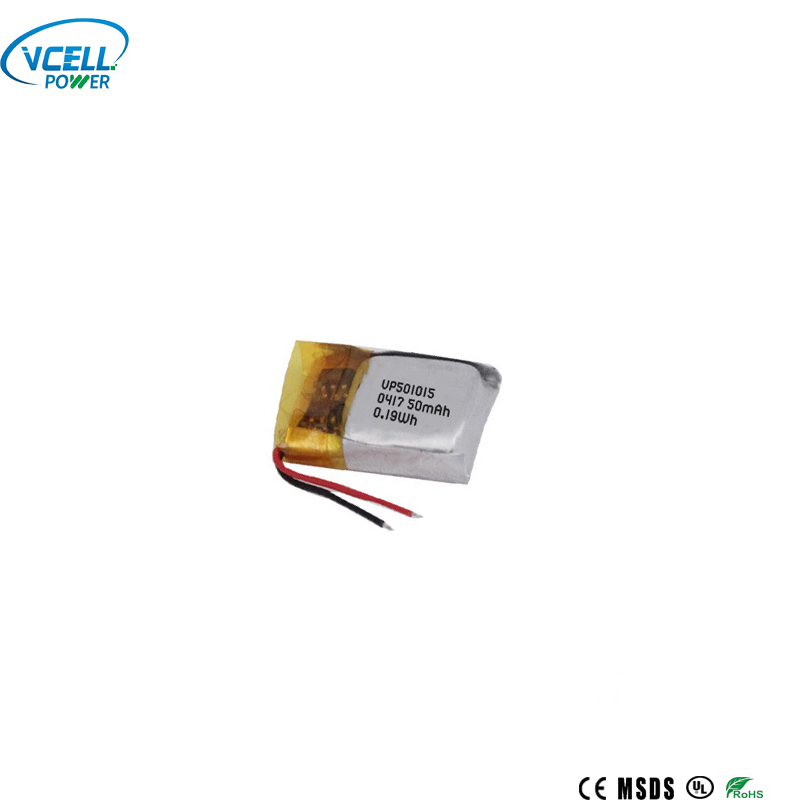
Key Advantages:
-
High Energy Density & Light Weight: LiPo batteries pack a remarkable amount of energy into a very light and compact package. This is paramount for drones, where every gram saved translates directly into longer flight times or the ability to carry additional payloads like cameras or sensors.
-
High Discharge Rates (High C-Rating): Drones require sudden bursts of power for maneuvers, take-off, and climbing. LiPo batteries can deliver very high discharge currents, providing the necessary "punch" and responsiveness that pilots rely on.
-
Flexible Form Factors: Unlike rigid cylindrical cells, Lithium Polymer Batteries can be manufactured in slim, flat pouches. This allows for custom shapes that can efficiently fit into a drone's frame, optimizing space and weight distribution for better aerodynamics and balance.
-
Stable Voltage Output: LiPos maintain a relatively stable voltage for most of their discharge cycle, which helps in providing consistent power to motors and electronics, ensuring stable flight performance until the battery is nearly depleted.
To further illustrate the performance edge, consider this comparison:
| Feature | Lithium Polymer (LiPo) Battery | Traditional Nickel-based Battery |
|---|---|---|
| Energy Density | Very High | Low to Moderate |
| Weight | Very Light | Heavy |
| Discharge Rate | Very High | Low |
| Form Factor | Flexible, Customizable | Rigid, Fixed |
Lithium Polymer Battery FAQ
Q: How should I safely charge and store my drone's LiPo battery?
A: Always use a balanced charger designed for Lithium Polymer Batteries. Never leave batteries charging unattended. For storage, keep them at a nominal voltage (approx. 3.8V per cell) in a cool, dry place, ideally inside a fireproof LiPo safety bag.
Q: Why does my LiPo battery swell or puff up, and what should I do?
A: Swelling is typically caused by gas generation inside the cell due to overcharging, deep discharging, physical damage, or age. A puffed battery is a significant safety risk. Discharge it safely (if possible) and dispose of it properly at a designated recycling facility. Do not continue using it.
Q: What is the 'C-Rating' on a LiPo battery, and why is it important for drones?
A: The C-Rating indicates the safe continuous discharge rate of the battery. A higher C-Rating means the battery can deliver more current without being damaged. For drones, which demand high bursts of power, a battery with an adequate C-Rating is essential to prevent voltage sag, ensure peak performance, and avoid premature battery failure.
Choosing the right battery technology is fundamental to unlocking your drone's full potential. The advantages of Lithium Polymer Batteries—lightweight design, high power delivery, and adaptable form—make them the perfect energy source for demanding aerial tasks. At VCELL POWER, we engineer our LiPo batteries with these precise requirements in mind, ensuring reliability and peak performance for every flight.
Ready to power your next mission with superior performance? Explore our specialized range of high-performance Lithium Polymer Batteries designed for drones and other RC applications. For personalized technical advice or to find the perfect battery for your specific model, don't hesitate to contact us today.