

How to Test an Electrical Kettle Connector with a Multimeter
2026-10-16
A faulty Electrical Kettle Connector is one of the most common reasons an electric kettle suddenly stops heating. Before replacing the entire appliance, testing the connector with a multimeter is a fast, cost-effective diagnostic step. At JIATAI, we manufacture high-precision Electrical Kettle Connectors designed for durability and safe power transfer, and our engineers recommend a systematic testing approach to identify faults accurately. This guide walks you through the process using professional methods trusted by technicians worldwide.
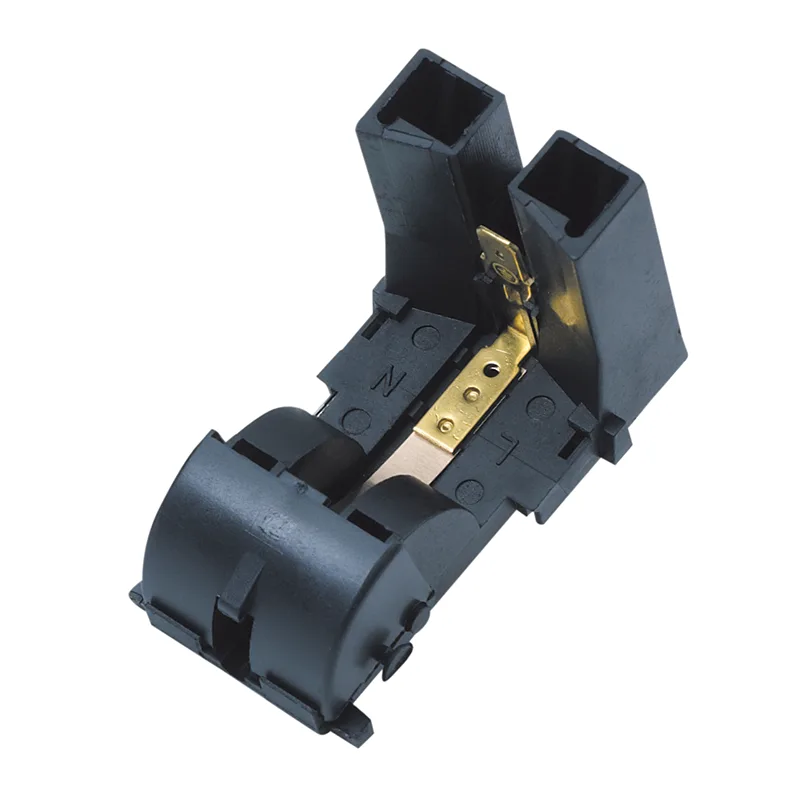
Why Testing Matters
The Electrical Kettle Connector carries high current during operation. Over time, loose terminals, oxidation, or thermal stress can increase resistance, causing overheating or complete failure. A multimeter helps you confirm whether the connector is still conducting properly or needs replacement.
Tools You Will Need
| Tool | Purpose |
|---|---|
| Digital Multimeter | Measure continuity, resistance, and voltage |
| Screwdriver Set | Open the kettle base or connector housing |
| Insulated Gloves | Safety during inspection |
| Cleaning Alcohol | Remove oxidation from terminals |
| Replacement Electrical Kettle Connector (if needed) | Sourced from a reliable brand like JIATAI |
Step-by-Step Testing Procedure
1. Disconnect Power and Access the Connector
Unplug the kettle completely. Remove the base cover or the connector housing to expose the Electrical Kettle Connector terminals.
2. Set the Multimeter to Continuity Mode
Turn the dial to the continuity or resistance (Ω) setting. Touch the probes together to confirm the meter reads near zero.
3. Test Each Terminal Pair
Place one probe on the live pin and the other on the corresponding wire terminal. A healthy Electrical Kettle Connector should show continuity (beep or low resistance).
| Measurement | Expected Result | Indication |
|---|---|---|
| Live to Live | 0–0.5 Ω | Good continuity |
| Neutral to Neutral | 0–0.5 Ω | Good continuity |
| Live to Neutral | No continuity | No short circuit |
| Earth to Metal Body | 0 Ω | Proper grounding |
4. Check for Overheating Signs
Inspect the Electrical Kettle Connector for discoloration, melting, or burnt smell. These indicate resistance buildup that a multimeter may not always detect at low voltage.
5. Verify Voltage Under Load (Optional)
For advanced testing, reconnect power briefly and measure voltage at the connector. A significant drop compared to the outlet voltage suggests a failing Electrical Kettle Connector.
Common Causes of Connector Failure
-
Loose crimped terminals
-
Oxidation on contact surfaces
-
Excessive current draw
-
Poor-quality materials
Choosing a JIATAI Electrical Kettle Connector reduces these risks through precision engineering and high-temperature-resistant materials.
FAQ: Electrical Kettle Connector
Q: How do I know if my Electrical Kettle Connector is faulty?
A: If the kettle does not heat, the connector shows no continuity, or there are visible burn marks, the Electrical Kettle Connector is likely faulty and should be replaced.
Q: Can I test an Electrical Kettle Connector without removing it?
A: Yes, you can test from the exposed terminals or plug pins, but removing the housing provides safer and more accurate results for the Electrical Kettle Connector.
Q: What resistance reading indicates a good Electrical Kettle Connector?
A: A reading between 0 and 0.5 ohms on the continuity setting indicates a good Electrical Kettle Connector with minimal resistance.
Final Recommendations
Regular inspection of the Electrical Kettle Connector prevents downtime and electrical hazards. When replacement is necessary, always choose a trusted manufacturer. JIATAI provides reliable, tested Electrical Kettle Connectors for global clients.
Contact us today to request samples, technical datasheets, or bulk pricing for JIATAI Electrical Kettle Connectors — our team is ready to support your production needs.