

How to Properly Charge and Maintain a a Lithium Polymer Battery to Extend Its Lifespan
2026-01-05
As a leading innovator in energy storage, VCELL POWER understands that the performance and longevity of your devices hinge on the health of their power source. Proper care of your Lithium Polymer Battery is not just a recommendation—it's essential for safety, reliability, and getting the maximum value from your investment. This guide outlines the best practices to ensure your LiPo batteries serve you well for years to come.
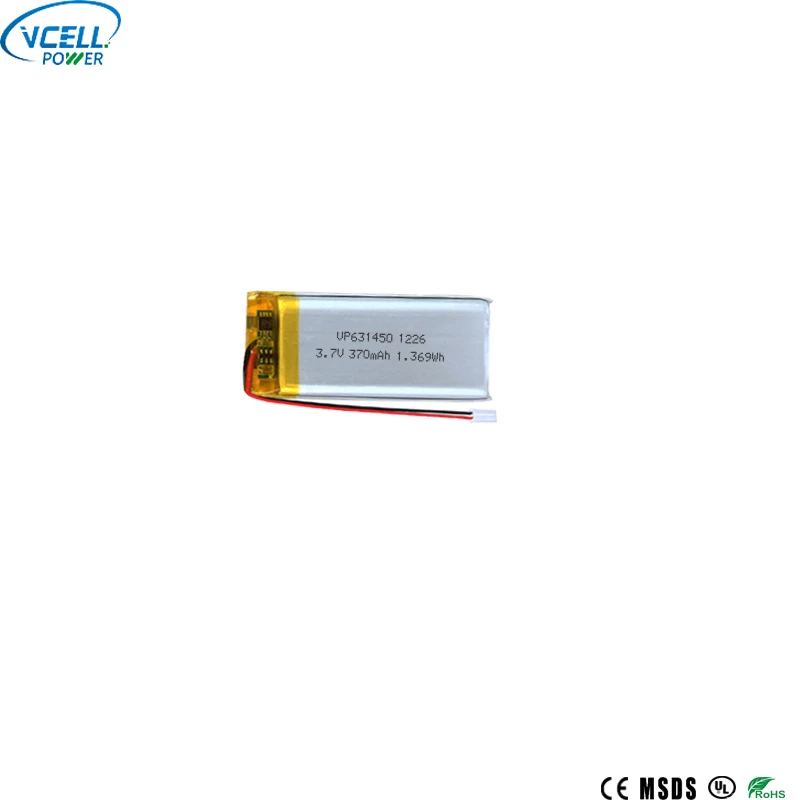
Best Practices for Charging & Maintenance
Follow these key rules to optimize your battery's lifecycle:
-
Use the Right Charger: Always use a charger designed specifically for Lithium Polymer Battery chemistry. Never use chargers for NiMH or NiCd batteries.
-
Adhere to the CCCV Protocol: Quality chargers, like those from VCELL POWER, use Constant Current/Constant Voltage. Charge at the recommended rate (often 1C) until full.
-
Avoid Extreme States: Never drain your battery to absolute 0% or leave it at 100% charge for extended periods.
-
Monitor Temperature: Charge and discharge batteries at room temperature. Avoid exposing them to extreme heat or cold.
-
Practice Safe Storage: For long-term storage (over a week), bring the battery to a 3.7V to 3.8V per cell state.
Optimal Voltage Ranges for Longevity
This table illustrates the ideal voltage management to minimize stress and maximize cycle life:
| Battery State | Voltage Per Cell | Recommendation for Lifespan |
|---|---|---|
| Full Charge | 4.2V | Avoid prolonged storage at this voltage. |
| Storage Voltage | ~3.8V | Ideal for long-term health. Use this level if not in use. |
| Minimum Safe Voltage | ~3.0V | Recharge immediately upon reaching this level. |
| Damage Threshold | < 3.0V | Avoid completely. Can cause irreversible internal damage. |
Lithium Polymer Battery FAQ
Q: How can I tell if my Lithium Polymer battery is swelling and what should I do?
A: Swelling indicates internal gas buildup from damage or abuse. Carefully inspect for any puffiness or deformation of the battery pack. If you detect swelling, stop using and charging the battery immediately. Place it in a fireproof container and contact a professional disposal service. VCELL POWER batteries incorporate safety circuits to mitigate such risks.
Q: Is it okay to leave my LiPo battery plugged in overnight?
A: It is not recommended. While modern devices and chargers have safeguards, continuous trickle charging at 100% creates slight voltage stress, degrading the electrolyte over time. For optimal Lithium Polymer Battery lifespan, unplug the device once it's fully charged.
Q: What is the expected lifespan of a well-maintained LiPo battery?
A: A properly cared-for Lithium Polymer Battery can typically deliver 300 to 500 full charge-discharge cycles while retaining above 80% of its original capacity. Factors like charge rates, depth of discharge, and operating temperature significantly influence this. Using high-quality cells from trusted manufacturers like VCELL POWER ensures you start with a robust cycle life foundation.
Your device deserves a reliable heart. By following these professional guidelines, you actively protect your investment and ensure safer, more consistent performance. For applications that demand exceptional quality and durability, from custom OEM solutions to high-performance consumer electronics, trust the engineering expertise behind VCELL POWER cells.
Need a robust and long-lasting power solution for your project? Contact us today to discuss how VCELL POWER's advanced Lithium Polymer Battery technology can meet your specific energy requirements.