

How SMD Buzzer Improves Sound Feedback in Modern Electronic Devices
2026-08-11
Article Summary
As electronic products continue to become smaller, smarter, and more integrated, manufacturers need compact components that can deliver reliable performance without increasing product size. An SMD Buzzer is one of the key sound-producing components designed to meet these challenges. It provides clear audio alerts, low power consumption, space-saving installation, and stable operation for various applications including consumer electronics, medical equipment, automotive systems, industrial controls, and smart devices.
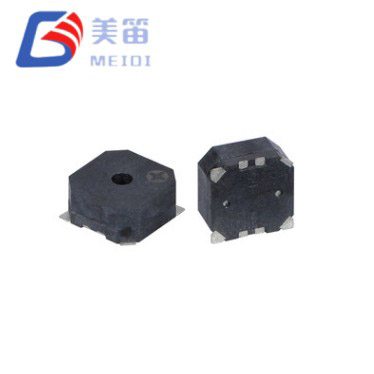
This article explains how SMD Buzzer technology works, why it has become an important solution for modern electronic designs, how to select the right model, and how MEIDI provides professional buzzer solutions to help customers overcome common challenges in product development.
Table of Contents
- 1. What Is an SMD Buzzer?
- 2. How Does an SMD Buzzer Work?
- 3. Why Choose an SMD Buzzer for Electronic Products?
- 4. Where Are SMD Buzzers Commonly Used?
- 5. How to Select the Right SMD Buzzer?
- 6. Common Challenges and Solutions When Using SMD Buzzers
- 7. Comparison Between SMD Buzzer and Traditional Buzzers
- 8. Future Development Trends of SMD Buzzer Technology
- 9. Frequently Asked Questions
1. What Is an SMD Buzzer?
An SMD Buzzer, also known as a Surface Mount Device Buzzer, is a compact electronic sound component installed directly onto a printed circuit board (PCB) through surface mounting technology. Unlike traditional through-hole buzzers that require wire insertion and additional mounting space, SMD Buzzers are designed for automated assembly processes, making them ideal for compact and high-volume electronic manufacturing.
The main purpose of an SMD Buzzer is to convert electrical signals into audible sound signals. It provides users with important notifications such as alarms, warnings, operation confirmations, status changes, and system feedback.
With the continuous development of miniaturized electronics, the demand for small, lightweight, and efficient acoustic components has increased significantly. MEIDI focuses on developing reliable buzzer products that support different voltage requirements, sound output levels, and application environments.
2. How Does an SMD Buzzer Work?
The working principle of an SMD Buzzer depends on its internal structure and driving method. Generally, SMD Buzzers use electromagnetic or piezoelectric technology to generate sound.
| Type | Working Principle | Main Features |
|---|---|---|
| Electromagnetic SMD Buzzer | Uses electromagnetic force to drive a vibrating diaphragm and create sound. | Strong sound output, stable performance, suitable for alarm applications. |
| Piezoelectric SMD Buzzer | Uses piezoelectric materials that deform under voltage and produce vibration. | Low power consumption, compact structure, long service life. |
When an electrical signal reaches the buzzer, the internal element responds through mechanical vibration. These vibrations create pressure changes in the air, producing audible sound waves. The frequency, voltage, and structure design determine the final sound characteristics.
For engineers, understanding the operating principle helps ensure the selected buzzer matches the electrical system and application requirements.
3. Why Choose an SMD Buzzer for Electronic Products?
Modern electronic manufacturers face several challenges, including limited PCB space, strict energy requirements, and the need for reliable user interaction. SMD Buzzer technology provides multiple advantages that address these difficulties.
- Compact Size: The miniature design allows installation in small electronic devices where space is limited.
- Easy Automated Assembly: Surface mounting supports efficient production lines and reduces manual installation processes.
- Low Power Consumption: Many SMD Buzzers are optimized for battery-powered applications where energy efficiency is important.
- Reliable Sound Output: Advanced designs provide consistent audio feedback during long-term operation.
- Flexible Design Options: Different sizes, frequencies, voltages, and sound pressure levels can meet various application requirements.
For manufacturers developing compact electronic products, choosing the right SMD Buzzer can improve product usability while maintaining efficient internal design.
4. Where Are SMD Buzzers Commonly Used?
Because of their small structure and reliable performance, SMD Buzzers are widely applied across many industries.
| Industry | Application Examples | Function |
|---|---|---|
| Consumer Electronics | Smart devices, control panels, wearable products | Notification and operation feedback |
| Medical Equipment | Blood pressure monitors, testing equipment | Warning signals and status alerts |
| Automotive Electronics | Dashboard systems, safety reminder devices | Driving information and safety warnings |
| Industrial Equipment | Control systems, monitoring devices | Error alarms and operational indicators |
| Security Products | Alarm systems and access control equipment | Emergency notifications |
MEIDI provides various buzzer solutions designed for different industries, helping customers achieve clear and dependable sound communication between machines and users.
5. How to Select the Right SMD Buzzer?
Selecting an appropriate SMD Buzzer requires consideration of several technical factors. Choosing an unsuitable model may result in insufficient volume, unstable operation, or compatibility issues.
- Operating Voltage: Confirm that the buzzer voltage matches the circuit design.
- Sound Pressure Level: Select a sound output level according to the application environment.
- Frequency Requirement: Different applications require different sound frequencies for effective recognition.
- Installation Space: Check PCB dimensions and component height limitations.
- Operating Environment: Consider temperature, humidity, vibration, and durability requirements.
- Production Compatibility: Ensure the buzzer supports the customer's assembly process.
A professional manufacturer can help customers evaluate these factors and recommend suitable solutions based on product requirements.
6. Common Challenges and Solutions When Using SMD Buzzers
| Common Problem | Possible Cause | Solution |
|---|---|---|
| Low Sound Output | Incorrect voltage or unsuitable buzzer model | Select a model with suitable sound pressure performance. |
| Unstable Sound | Poor circuit compatibility or improper installation | Check electrical design and mounting conditions. |
| Limited Product Space | Traditional components occupy too much PCB area | Use compact SMD Buzzer solutions. |
| High Power Consumption | Incorrect buzzer type selection | Select low-power piezoelectric designs when necessary. |
Understanding these common issues allows engineers to improve product reliability and reduce development time.
7. Comparison Between SMD Buzzer and Traditional Buzzers
| Feature | SMD Buzzer | Traditional Buzzer |
|---|---|---|
| Installation Method | Surface mounting on PCB | Through-hole mounting |
| Space Requirement | Small and suitable for compact products | Requires more installation space |
| Production Efficiency | Compatible with automated assembly | More manual installation required |
| Application Trend | Widely used in modern mini electronic devices | Common in larger traditional equipment |
8. Future Development Trends of SMD Buzzer Technology
The electronic industry continues moving toward smaller, smarter, and more connected products. This development creates higher requirements for acoustic components.
- Smaller package sizes for ultra-miniature devices.
- Lower energy consumption for battery-powered products.
- Higher reliability for industrial and medical applications.
- Improved sound quality for better user interaction.
- Customized solutions for specialized electronic systems.
As a professional buzzer manufacturer, MEIDI continues improving product design and manufacturing capabilities to support customers with dependable acoustic solutions.
9. Frequently Asked Questions
Q1: What is the main advantage of an SMD Buzzer?
The main advantage is its compact surface-mount design, which saves PCB space and supports efficient automated production while providing reliable sound feedback.
Q2: Can an SMD Buzzer be used in battery-powered devices?
Yes. Many SMD Buzzers are designed with low power consumption characteristics, making them suitable for portable and battery-operated electronic products.
Q3: How long can an SMD Buzzer operate?
The service life depends on the buzzer structure, operating conditions, and application environment. Proper selection and installation can significantly improve durability.
Q4: Does MEIDI provide customized SMD Buzzer solutions?
Yes. MEIDI can provide professional buzzer solutions according to different requirements, including size, voltage, sound characteristics, and application conditions.
Q5: How can engineers choose the correct SMD Buzzer model?
Engineers should consider voltage, sound output, frequency, installation space, and environmental requirements before selecting a suitable model.
Conclusion
SMD Buzzer technology plays an important role in modern electronic products by providing efficient, compact, and reliable sound feedback solutions. From consumer electronics and medical devices to automotive systems and industrial equipment, these miniature components help improve user experience and system communication.
With professional manufacturing experience and a strong focus on product quality, MEIDI continues delivering reliable buzzer solutions for global customers. If you need customized SMD Buzzer products or professional technical support for your application, please contact us today and let our team provide the right solution for your project.