

How Siemens NSC100S Improves Electrical Protection and System Reliability?
2026-08-19
Article Summary:
In modern industrial facilities, commercial buildings, and power distribution systems, reliable circuit protection is essential for preventing equipment damage, reducing downtime, and improving operational safety. Siemens NSC100S is widely recognized as a molded case circuit breaker solution designed for efficient low-voltage power distribution applications. This article explains how Siemens NSC100S works, why it is selected for demanding electrical environments, and how businesses can solve common protection challenges with the right circuit breaker configuration. Feimu provides professional solutions and product support to help customers achieve safer and more stable electrical systems.
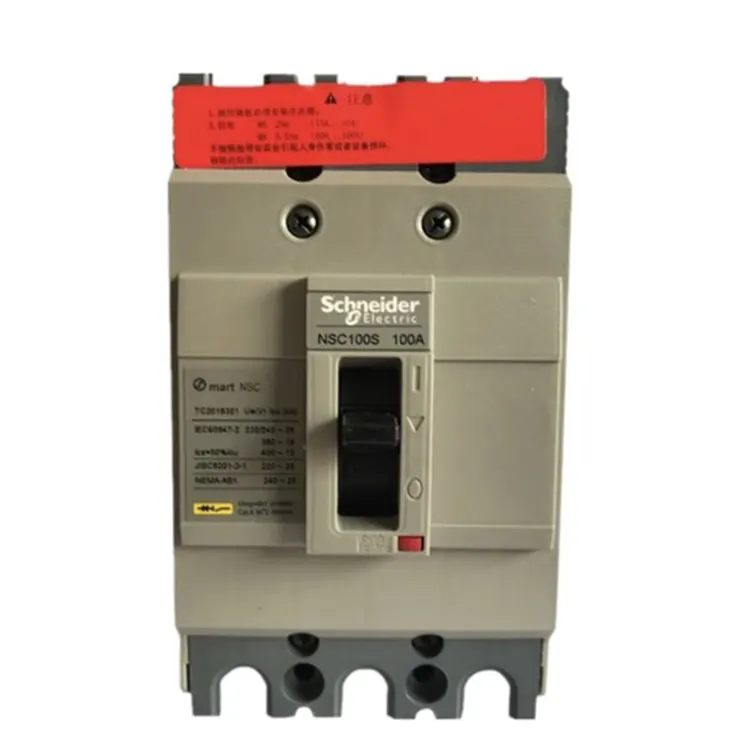
Table of Contents
- 1. Understanding Siemens NSC100S and Its Role in Electrical Systems
- 2. How Siemens NSC100S Works to Protect Electrical Equipment
- 3. What Problems Can Siemens NSC100S Solve for Industrial Users?
- 4. Key Advantages of Choosing Siemens NSC100S
- 5. How to Select the Right Siemens NSC100S Configuration
- 6. Installation and Maintenance Considerations
- 7. Why Feimu Is a Reliable Partner for Siemens NSC100S Solutions
- 8. Frequently Asked Questions About Siemens NSC100S
1. Understanding Siemens NSC100S and Its Role in Electrical Systems
Electrical distribution networks require dependable protection devices to manage current flow and prevent failures caused by overloads or short circuits. A circuit breaker acts as a safety barrier between the power source and connected equipment. When abnormal electrical conditions occur, the breaker automatically interrupts the circuit to minimize damage.
Siemens NSC100S is designed as a molded case circuit breaker for low-voltage distribution applications. It provides protection functions that help maintain electrical continuity while protecting cables, machines, control panels, and other critical components. The product is commonly applied in industrial facilities, infrastructure projects, commercial buildings, and automation systems.
The Siemens NSC100S series focuses on balancing protection performance, installation convenience, and long-term operational stability. It is suitable for applications where reliable circuit interruption and compact electrical equipment design are important requirements.
According to available product information, NSC100S models are commonly associated with rated currents from lower ranges up to 100A and provide enhanced breaking capability compared with basic protection models. These characteristics make it suitable for distribution systems requiring dependable fault protection.
2. How Siemens NSC100S Works to Protect Electrical Equipment
Understanding the operating principle of Siemens NSC100S helps engineers and facility managers choose the correct protection solution. The breaker mainly operates through a thermal-magnetic protection mechanism.
- Thermal protection: When continuous overcurrent occurs, the thermal element detects excessive heat caused by abnormal current levels. After reaching a specific threshold, the breaker trips to disconnect the circuit.
- Magnetic protection: During sudden high-current events such as short circuits, the magnetic mechanism responds quickly and interrupts the electrical connection to reduce equipment damage.
- Manual switching function: Operators can manually open or close the circuit for maintenance, inspection, or operational control.
This combination allows Siemens NSC100S to handle different electrical fault conditions effectively. Instead of waiting for equipment failure, the circuit breaker provides proactive protection by responding immediately when dangerous conditions appear.
For factories and commercial facilities, this protection capability is especially valuable because unexpected electrical failures can interrupt production schedules, damage expensive equipment, and increase maintenance costs.
3. What Problems Can Siemens NSC100S Solve for Industrial Users?
Many electrical system failures are caused by inappropriate protection devices, outdated components, or insufficient circuit management. Siemens NSC100S helps address several common challenges.
-
Problem: Equipment damage caused by electrical overloads
Solution: Siemens NSC100S detects abnormal current conditions and disconnects the circuit before excessive heat damages electrical equipment. -
Problem: Long production downtime after electrical faults
Solution: Fast fault interruption helps reduce the impact of short circuits and allows maintenance teams to restore systems more efficiently. -
Problem: Limited space inside distribution cabinets
Solution: Compact molded case breaker designs allow more efficient panel layouts while maintaining reliable protection. -
Problem: Difficult electrical system management
Solution: Standardized circuit protection components simplify installation, inspection, and replacement processes.
For companies operating automated production lines, data centers, commercial buildings, or mechanical equipment systems, selecting the correct breaker is directly connected with operational reliability.
4. Key Advantages of Choosing Siemens NSC100S
The popularity of Siemens NSC100S comes from several practical advantages that support modern electrical applications.
-
Reliable protection performance
The breaker provides effective protection against overload and short-circuit conditions, helping safeguard electrical assets. -
Stable operation under demanding environments
Industrial applications require components that can maintain performance during continuous operation. Siemens NSC100S is designed for dependable long-term use. -
Flexible application options
Different rated current specifications and configurations allow engineers to match the breaker with various distribution requirements. -
Improved maintenance efficiency
A practical circuit breaker design helps technicians complete inspection and replacement tasks more conveniently. -
Enhanced electrical safety
Automatic circuit interruption reduces risks associated with overheating, equipment failure, and electrical accidents.
5. How to Select the Right Siemens NSC100S Configuration
Choosing the correct circuit breaker requires careful evaluation of the electrical system. Installing an unsuitable model may lead to insufficient protection or unnecessary costs.
Important selection factors include:
- Rated current requirements: The breaker rating should match the expected operating current of the connected equipment.
- Voltage level: Confirm that the breaker specification is compatible with the electrical distribution system.
- Number of poles: Select the correct pole configuration according to single-phase or three-phase system requirements.
- Breaking capacity: Ensure the breaker can safely interrupt possible fault currents in the installation environment.
- Application environment: Consider temperature, installation location, operating frequency, and maintenance requirements.
Professional evaluation before purchase can prevent common problems such as frequent tripping, insufficient protection, or compatibility issues.
6. Installation and Maintenance Considerations
Proper installation and regular maintenance are important for maximizing the service life of Siemens NSC100S.
- Check wiring connections carefully before energizing the system.
- Verify that installation conditions meet electrical safety requirements.
- Inspect the breaker regularly for signs of overheating, corrosion, or mechanical damage.
- Test protection functions according to maintenance schedules.
- Replace damaged accessories or components immediately.
A well-maintained circuit protection system can significantly improve electrical reliability and reduce unexpected operational interruptions.
7. Why Feimu Is a Reliable Partner for Siemens NSC100S Solutions
Selecting a trusted supplier is just as important as selecting the right electrical component. Feimu focuses on providing professional electrical product solutions and supporting customers with reliable product information, application guidance, and purchasing assistance.
With experience in industrial electrical products, Feimu helps customers identify suitable Siemens NSC100S options according to project requirements. Whether for equipment upgrades, control cabinet construction, or power distribution projects, Feimu aims to provide efficient solutions that support stable system operation.
Customers can benefit from professional communication, product matching assistance, and dependable service throughout the purchasing process.
8. Frequently Asked Questions About Siemens NSC100S
Q1: What is Siemens NSC100S mainly used for?
Siemens NSC100S is mainly used for low-voltage electrical distribution protection. It helps protect circuits, cables, and connected equipment from overload and short-circuit conditions.
Q2: Why is circuit breaker selection important?
The correct circuit breaker ensures proper protection performance. An unsuitable breaker may fail to provide enough protection or may cause unnecessary interruptions during normal operation.
Q3: Can Siemens NSC100S be used in industrial applications?
Yes. Siemens NSC100S is suitable for many industrial and commercial electrical systems where reliable current protection is required.
Q4: How often should Siemens NSC100S be maintained?
Maintenance frequency depends on the operating environment, load conditions, and system requirements. Regular inspection is recommended to maintain safe operation.
Q5: Where can customers get professional Siemens NSC100S support?
Customers can contact Feimu for product consultation, configuration assistance, and professional electrical solution support.
Conclusion
Reliable circuit protection is essential for modern electrical systems. Siemens NSC100S provides an effective solution for protecting equipment, improving operational safety, and reducing risks caused by electrical faults. By selecting the right configuration and maintaining the system properly, businesses can achieve more stable and efficient power management.
Feimu is committed to helping customers find suitable electrical solutions with professional support and dependable service. For Siemens NSC100S product information, application guidance, or customized requirements, please contact us today and let Feimu support your next electrical project.