

How Should You Properly Charge a LiFePO4 Battery to Maximize Its Lifespan
2026-03-17
Investing in a LiFePO4 Battery (Lithium Iron Phosphate) is a decision for longevity and safety. However, to ensure you get the full return on this investment, understanding the correct charging protocol is essential. Improper charging is the fastest way to degrade performance. At VCELL POWER, we design our batteries for durability, but they rely on your charging habits to reach their full cycle life.
To maximize the lifespan of your LiFePO4 Battery, you must adhere to specific voltage parameters and avoid common pitfalls like over-discharging or extreme high-current charging.
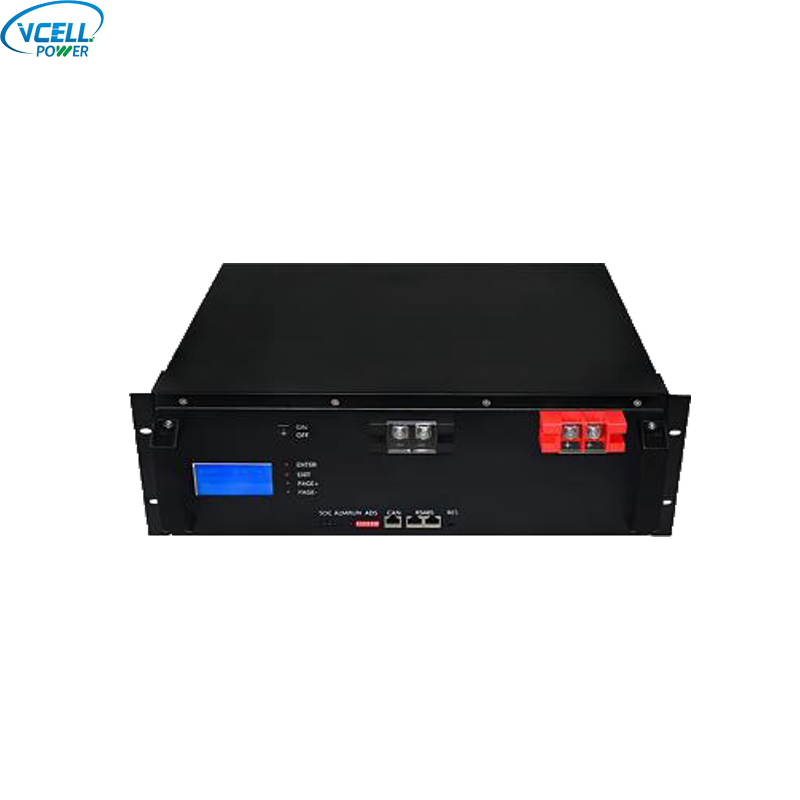
The Optimal Charging Parameters
Unlike traditional lead-acid batteries, LiFePO4 Battery chemistry requires a strict Constant Current/Constant Voltage (CC/CV) profile. Here are the technical specifications you should follow:
| Parameter | Recommended Value | Why It Matters |
|---|---|---|
| Bulk/Charge Voltage | 14.4V - 14.6V (for 12V pack) | Exceeding this triggers the Battery Management System (BMS) to disconnect, but repeated stress damages cells. |
| Float Voltage | Not Required (13.6V max if needed) | LiFePO4 does not need a float charge. Constant floating can keep cells at high voltage, accelerating degradation. |
| Temperature Range | 0°C to 45°C (32°F to 113°F) | Charging below freezing without low-temp protection causes permanent internal damage (Lithium plating). |
Step-by-Step Guide to Prolonged Battery Life
To ensure your VCELL POWER battery lasts for over 4000 cycles, follow these four best practices during your charging routine:
-
Use a Dedicated Lithium Charger
Standard lead-acid chargers often use desulfation modes or high equalization voltages that can destroy a LiFePO4 Battery. Always use a charger with a CC/CV profile specifically designed for LiFePO4 chemistry. -
Avoid Deep Discharges Before Charging
While LiFePO4 handles deep cycles well compared to other chemistries, it lives longest when kept between 20% and 80% State of Charge (SoC) for daily use. You don't need to run it flat before plugging it in. -
Set the Correct Absorption Time
Unlike lead-acid, LiFePO4 reaches nearly full charge very quickly. Once the voltage hits 14.4V, the current drops rapidly. An absorption time of 15 to 30 minutes is usually sufficient; longer times are unnecessary and add stress. -
Temperature Compensation is Key
If your battery is in a cold environment, ensure your charger or BMS prevents charging if the internal temperature drops below freezing. VCELL POWER batteries integrate smart BMS technology to handle this automatically.
LiFePO4 Battery FAQ
To further clarify the nuances of charging, here are the most common questions we receive from our customers regarding charging habits.
Q: Can I leave my LiFePO4 Battery on the charger all the time?
A: Yes, you can, but it requires the correct equipment. Unlike lead-acid batteries, a LiFePO4 Battery does not require a float charge to stay healthy. However, if you leave it connected to a high-quality LiFePO4 charger, the charger will stop outputting once the battery is full. If you are using a charger that continues to supply voltage, the BMS inside the VCELL POWER battery will protect the cells by disconnecting them. However, for optimal longevity, it is best to store the battery at around 50% charge if it will not be used for an extended period.
Q: What happens if I use a lead-acid charger on my LiFePO4 Battery?
A: Using a standard lead-acid charger is risky and generally not recommended. Older lead-acid chargers may have a manual "equalization mode" which spikes the voltage high enough to trip the BMS or damage the cells. However, many modern "smart" lead-acid chargers can work if they do not have a desulfation mode and output the correct voltage (14.4V - 14.6V). To be safe, VCELL POWER always recommends using a charger explicitly programmed for a LiFePO4 Battery to prevent voiding the warranty.
Q: How long does it take to fully charge a LiFePO4 Battery?
A: The charge time depends entirely on your charger's amperage and the battery's capacity. One of the biggest advantages of LiFePO4 chemistry is its high charge acceptance. You can typically charge a LiFePO4 Battery at 0.5C (half the amp-hour rating) or even 1C (full the amp-hour rating) safely, provided the BMS supports it. For example, a 100Ah VCELL POWER battery charged with a 50A charger can go from empty to full in roughly two hours, which is significantly faster than lead-acid alternatives.
Conclusion
Proper charging is the single most effective way to maximize the lifespan of your LiFePO4 Battery. By using the correct voltage settings, avoiding extreme temperatures during charging, and investing in a quality lithium-specific charger, you protect your energy investment.
If you have a unique application or need help selecting the perfect charger for your system, the engineers at VCELL POWER are here to help.
Contact Us today for expert technical support and premium energy solutions.