

How Medical Devices PCB Assembly Ensures Reliability in Healthcare Electronics
2026-04-23
Abstract
Medical Devices PCB Assembly is the backbone of modern healthcare electronics, enabling precise diagnostics, life-support systems, monitoring devices, and implantable technologies. This article explains how high-reliability PCB assembly processes ensure safety, stability, and performance in medical environments where failure is not an option. It also highlights manufacturing standards, design considerations, testing methods, and supplier selection criteria to help engineers and procurement teams reduce risks and improve product success rates.
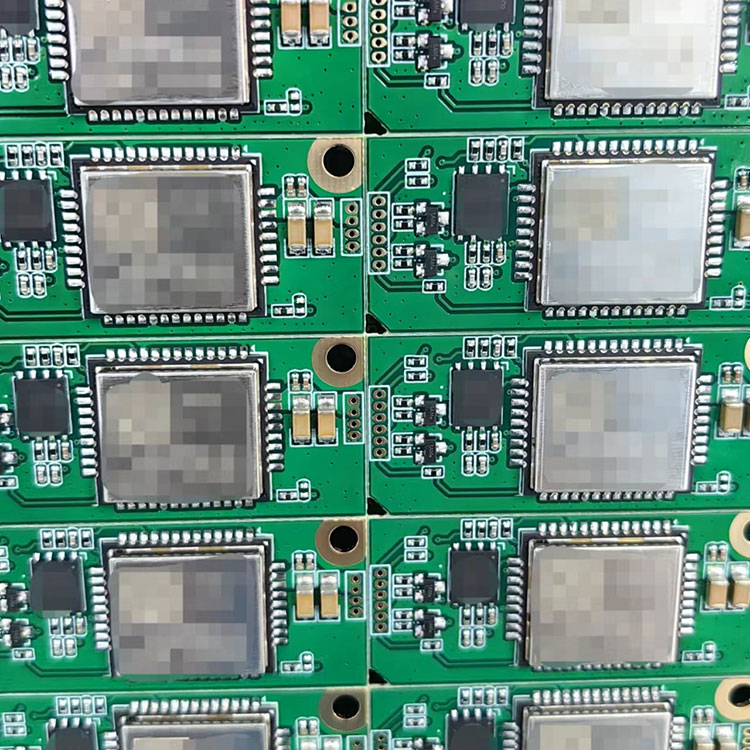
Table of Contents
- Article Outline
- Understanding Medical Devices PCB Assembly
- Key Challenges and Customer Pain Points
- Materials and Regulatory Standards
- Manufacturing Process Overview
- Quality Control and Testing Methods
- Critical Design Considerations
- PCB Types in Medical Applications
- Applications in Healthcare Devices
- How to Choose the Right PCB Assembly Partner
- Why Choose Hayner PCB
- Frequently Asked Questions
Article Outline
- Introduction to medical PCB assembly systems
- Critical reliability challenges in healthcare electronics
- Compliance with international medical manufacturing standards
- Step-by-step PCB assembly workflow
- Testing protocols for zero-failure tolerance
- Engineering design strategies for medical devices
- Comparison of rigid, flexible, and HDI PCBs
- Real-world applications in medical technology
- Supplier evaluation checklist
- Trusted manufacturing partner overview
Understanding Medical Devices PCB Assembly
Medical Devices PCB Assembly refers to the process of designing, manufacturing, and assembling printed circuit boards specifically for healthcare applications. These PCBs are integrated into devices such as ECG monitors, infusion pumps, MRI systems, and wearable health trackers.
Unlike consumer electronics, medical PCBs must operate with extreme precision and reliability. A single defect can lead to incorrect readings, device malfunction, or even life-threatening situations. Therefore, engineering precision and manufacturing control are significantly stricter.
Key Challenges and Customer Pain Points
Manufacturers and device developers often face multiple challenges when working with medical PCB assemblies:
- Regulatory Complexity: Compliance with strict global standards increases development time.
- Zero-Failure Expectations: Medical environments require near-perfect reliability.
- Miniaturization Demands: Devices are becoming smaller while requiring higher functionality.
- Cost Pressure: High-quality components significantly increase production costs.
- Long Product Lifecycles: Medical devices must remain operational for many years.
These challenges make it essential to partner with experienced PCB assembly providers who understand medical-grade requirements.
Materials and Regulatory Standards
Medical PCB assembly must comply with strict standards such as ISO 13485, IPC-A-610 Class 3, and FDA requirements. These standards ensure consistent quality, traceability, and process control.
Common materials used include:
- High-temperature FR-4 laminates
- Polyimide for flexible circuits
- Biocompatible coatings for implantable devices
- Lead-free solder materials for patient safety
Manufacturing Process Overview
The medical PCB assembly process involves multiple precision-controlled steps:
- Circuit design and simulation
- Material selection and procurement
- SMT (Surface Mount Technology) placement
- Through-hole component insertion
- Reflow soldering
- Automated optical inspection (AOI)
- X-ray inspection for hidden solder joints
- Functional testing under simulated conditions
Each step is carefully documented to ensure full traceability and compliance with medical-grade manufacturing requirements.
Quality Control and Testing Methods
Quality assurance is one of the most critical aspects of Medical Devices PCB Assembly. Manufacturers implement multiple inspection layers to eliminate defects.
Common testing methods include:
- In-Circuit Testing (ICT)
- Automated Optical Inspection (AOI)
- X-Ray Inspection (AXI)
- Functional Circuit Testing (FCT)
- Burn-in Testing for reliability validation
Critical Design Considerations
Designing PCBs for medical devices requires attention to several engineering factors:
- Signal integrity for accurate data transmission
- Electromagnetic compatibility (EMC)
- Thermal management for continuous operation
- Compact layout for portable devices
- Redundancy for critical systems
PCB Types in Medical Applications
| PCB Type | Advantages | Typical Use |
|---|---|---|
| Rigid PCB | High durability and stability | Diagnostic machines, monitors |
| Flexible PCB | Bendable, space-saving | Wearables, implantable devices |
| HDI PCB | High-density interconnections | Advanced imaging systems |
Applications in Healthcare Devices
Medical PCB assemblies are used in a wide range of healthcare technologies:
- Patient monitoring systems
- Infusion pumps and drug delivery devices
- Diagnostic imaging systems (CT, MRI, ultrasound)
- Wearable health trackers
- Implantable medical devices
How to Choose the Right PCB Assembly Partner
Selecting the right manufacturer is crucial for ensuring product reliability and compliance.
- Verify medical certifications (ISO 13485 compliance)
- Check quality control capabilities
- Evaluate production traceability systems
- Assess engineering support availability
- Review experience in medical electronics
Why Choose Hayner PCB
Hayner specializes in high-precision Medical Devices PCB Assembly solutions designed to meet strict healthcare industry requirements. With advanced production lines, rigorous quality systems, and deep engineering expertise, Hayner delivers reliable PCB assemblies for critical medical applications.
For customized solutions, engineering consultation, or production inquiries, Hayner contact us to discuss your project requirements and accelerate your medical device development.
Frequently Asked Questions
1. What makes medical PCB assembly different from standard PCB assembly?
Medical PCB assembly requires stricter quality control, higher reliability standards, and compliance with medical regulations.
2. What certifications are required?
ISO 13485 and IPC Class 3 standards are commonly required for medical-grade manufacturing.
3. Why is testing so important in medical PCB assembly?
Because medical devices directly impact patient health, every board must undergo multiple inspection and validation stages.
4. Can medical PCBs be customized?
Yes, they are often fully customized based on device function, size constraints, and regulatory requirements.
5. What industries use medical PCB assemblies?
Hospitals, diagnostic labs, wearable health tech companies, and biomedical research organizations.