

How Many kWh Home Energy Storage Power Supply Do You Need to Power a House
2026-10-22
Determining the right capacity for a Home Energy Storage Power Supply is one of the most important decisions homeowners face when investing in energy independence. Whether you are pairing it with solar panels or using it purely for backup, HAGOE helps homeowners match battery capacity to real household demand rather than guesswork. This guide breaks down the factors that matter, the math behind sizing, and the practical benchmarks you can use to choose confidently.
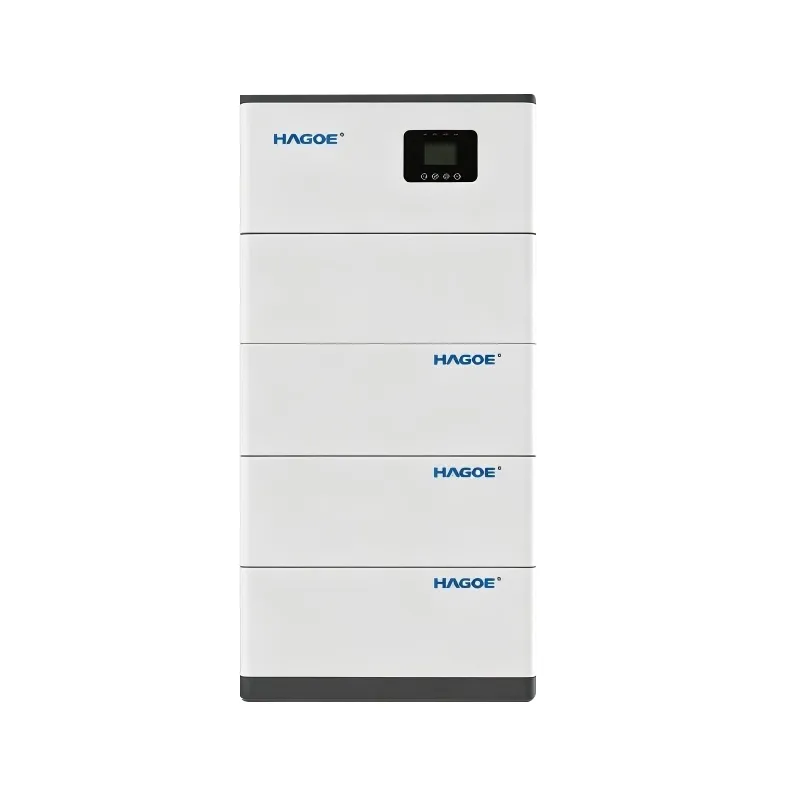
Why Capacity Sizing Matters
An undersized system drains quickly during an outage; an oversized one adds unnecessary cost and footprint. The goal is to cover your critical loads for the duration you need, while leaving room for future consumption growth. HAGOE recommends sizing around three variables: daily usage, backup duration, and peak load.
Step 1: Estimate Daily Electricity Consumption
Start with your utility bill. Divide your monthly kWh usage by 30 to get a daily average.
| Home Size | Average Daily Usage | Typical Monthly Bill Range |
|---|---|---|
| Small apartment (1–2 rooms) | 8–12 kWh | Low |
| Mid-size home (3 bedrooms) | 20–30 kWh | Moderate |
| Large home (4+ bedrooms) | 35–50 kWh | High |
A Home Energy Storage Power Supply does not need to cover 100% of daily usage unless you intend full off-grid operation. Most homeowners target 50–70% for partial backup.
Step 2: Define Your Backup Duration
| Backup Goal | Recommended Capacity |
|---|---|
| Essential loads only (fridge, lights, router) | 5–10 kWh |
| Partial home backup (8–12 hours) | 10–20 kWh |
| Whole-home backup (24 hours) | 20–40 kWh |
| Off-grid independence | 40+ kWh |
Step 3: Account for Peak Load and Efficiency
Battery capacity is measured in kWh, but output is measured in kW. Confirm your Home Energy Storage Power Supply can handle simultaneous startup surges from HVAC units, well pumps, or EVs. Apply a 10–15% depth-of-discharge buffer and round up rather than down.
Step 4: Plan for Solar Pairing
If you charge from solar, size the battery to your evening consumption plus one day of autonomy. HAGOE systems are designed for seamless solar coupling, so excess daytime generation is stored rather than exported at low rates.
FAQ
Q: Can a 10 kWh Home Energy Storage Power Supply power an entire house?
A: A 10 kWh unit typically covers essential circuits for 8–12 hours, but whole-home backup for a day usually requires 20 kWh or more, depending on HVAC use and climate.
Q: How do I calculate the right capacity for my Home Energy Storage Power Supply?
A: Multiply your average daily kWh by the percentage of load you want backed up, add a 15% efficiency buffer, then round up to the nearest standard size such as 10, 15, or 20 kWh.
Q: Is a larger Home Energy Storage Power Supply always better?
A: No. Oversizing raises cost and space requirements without added benefit if your backup duration and load profile are already covered; correct sizing matters more than raw capacity.
Q: Does HAGOE offer guidance on sizing a Home Energy Storage Power Supply?
A: Yes. HAGOE provides load-assessment support so homeowners can select capacity based on actual consumption data rather than generalized estimates.
Final Sizing Checklist
-
Review 12 months of utility bills
-
List critical vs. non-critical circuits
-
Decide backup duration in hours
-
Confirm peak kW output
-
Add a 15% buffer
-
Verify solar compatibility
Choosing the correct Home Energy Storage Power Supply capacity protects your budget and your comfort. Contact us at HAGOE today for a personalized load assessment and find the system that fits your home precisely.