

How Long Does a UV Lamp Typically Last Before It Needs Replacement
2026-03-03
When investing in equipment for curing, sanitation, or specialized industrial processes, understanding the operational lifespan of your equipment is critical for maintaining workflow efficiency. For professionals relying on a UV Lamp for consistent performance, the question of longevity is paramount. A high-quality UV Lamp from a trusted manufacturer like Kingrate is designed for durability, but all lamps have a finite operational life. Knowing the signs of degradation and the typical timeline for replacement ensures you never experience a drop in performance or unexpected downtime.
The lifespan of a UV Lamp is not a one-size-fits-all figure. It varies significantly based on the lamp type (fluorescent, LED, or mercury vapor), the application (curing inks, sterilizing water, or tanning), and the operational environment. On average, standard low-pressure mercury vapor lamps used for curing and disinfection last between 8,000 and 10,000 hours. In contrast, modern UV LED lamps can often exceed 20,000 hours, though their output intensity may gradually diminish. Frequent on/off cycling can shorten a lamp's life more than continuous operation, as the starting stress degrades the electrodes.
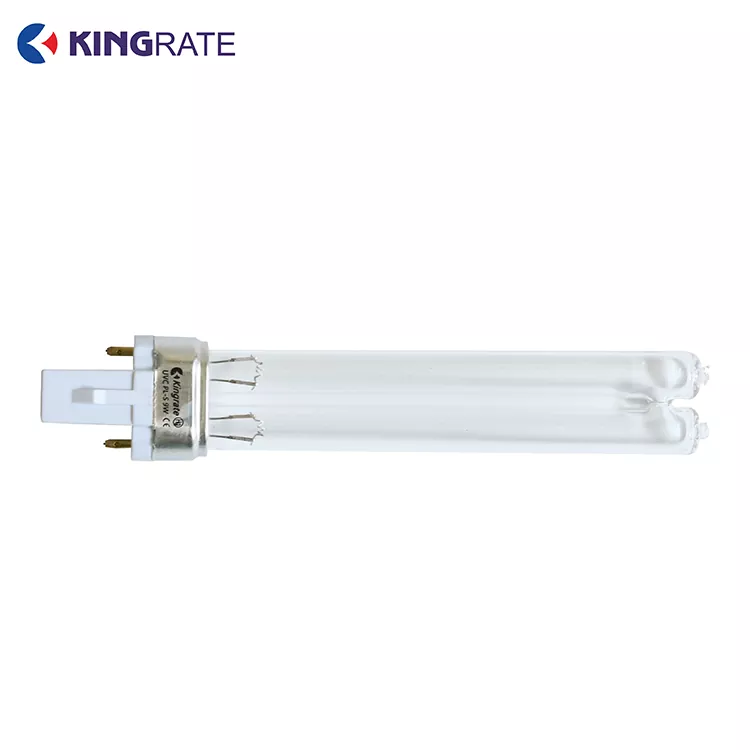
To help you gauge when a replacement is necessary, here are the primary indicators of a failing UV Lamp:
-
Reduced Intensity: The most common sign. The lamp lights up, but curing times double, or disinfection rates drop.
-
Visible Degradation: Darkening or clouding at the ends of the glass tube (solarization) indicates age and reduced output.
-
Physical Damage: Flickering, difficulty starting, or a persistent buzzing sound from the ballast often signals the lamp is near the end of its life.
Understanding the technical specifications helps in making an informed purchasing decision. The table below outlines the general expectations for different UV Lamp technologies available from industry leaders like Kingrate.
| Lamp Technology | Average Lifespan (Hours) | Primary Application | Replacement Indicator |
|---|---|---|---|
| Standard UV-C (Mercury) | 8,000 - 10,000 | Air/Water Purification | Gradual output decay, end darkening |
| UV Metal Halide | 1,000 - 2,000 | High-Intensity Curing | Abrupt failure or significant flickering |
| UV LED (Kingrate Series) | 20,000 - 30,000 | Precision Curing/Printing | Consistent output until end-of-life |
Proper maintenance is key to reaching these maximum lifespans. Regular cleaning of the quartz sleeve (if present) and ensuring proper cooling can prevent overheating, which is a major cause of premature failure. When you source your equipment from Kingrate, you are getting components built to withstand rigorous industrial use, ensuring you get the maximum value and performance from every UV Lamp.
FAQ: Common Questions About UV Lamp Lifespan
How do I know if my UV Lamp needs to be replaced even if it still turns on?
A UV Lamp can light up visibly but fail to produce the necessary ultraviolet wavelengths for your application. This is particularly common in disinfection and curing. The visible blue glow might persist even when the germicidal or curing power has dropped below effective levels. This is why relying on visual confirmation is risky. For critical processes, using a radiometer to measure the UV output intensity is the most accurate method. If the reading falls below the manufacturer's recommended threshold (often 70-80% of initial output), it is time for a replacement, regardless of whether the light is still on.
Can I extend the life of my UV Lamp beyond the rated hours?
While you can certainly maximize the lifespan by adhering to best practices, you cannot safely extend the UV Lamp beyond its effective life without compromising results. Best practices include minimizing the number of start-up cycles (as each start stresses the electrodes), ensuring the lamp operates within the correct temperature range (especially for UV-C), and keeping the lamp and any protective sleeves clean from dust and residue. However, even with perfect maintenance, the emitter materials degrade. Continuing to use a lamp past its effective life risks incomplete curing or inadequate sanitation, which can cost more in product waste than the price of a new lamp.
Does a more expensive UV Lamp last longer than a cheaper one?
Generally, yes. The cost of a UV Lamp often correlates with the quality of materials and manufacturing precision. High-quality lamps from reputable brands like Kingrate use robust electrodes, high-purity quartz glass that resists solarization (darkening), and precise gas mixtures. These factors directly contribute to a longer operational life and, more importantly, consistent output over that life. Cheaper alternatives may use soft glass that degrades quickly or impure gases, leading to a rapid drop in performance and a much shorter effective lifespan, often failing well before the 8,000-hour mark.
For consistent performance and reliable industrial curing or sanitation, trusting a proven manufacturer is essential. To ensure your operations continue without interruption, rely on the quality and durability of Kingrate products.
Contact us today to discuss your specific application and find the perfect UV Lamp solution for your needs. Our team is ready to help you select the right replacement parts and optimize your current setup.