

How LCD Monitor Sheet Metal Improves Structural Strength and Manufacturing Efficiency
2026-03-09
Article Summary
LCD monitors are widely used in offices, industrial environments, healthcare equipment, and consumer electronics. Behind every high-performance display is a carefully engineered structural frame that protects internal components and ensures stability. One of the most important elements in this structure is LCD monitor sheet metal.
Sheet metal parts provide mechanical strength, precise assembly alignment, electromagnetic shielding, and heat dissipation. Manufacturers rely on advanced sheet metal fabrication processes to produce durable and lightweight monitor housings that support modern slim display designs.
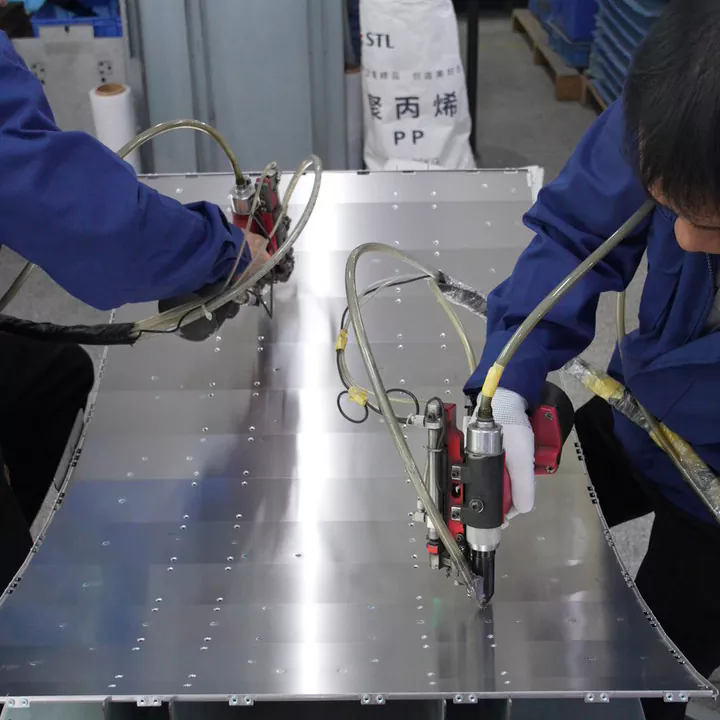
Table of Contents
- How LCD Monitor Sheet Metal Works in Display Devices
- Key Functions of Sheet Metal in Monitor Structures
- Common Materials Used in LCD Monitor Sheet Metal
- Typical Product Parameters
- Manufacturing Processes for LCD Monitor Sheet Metal
- Advantages of Precision Sheet Metal Fabrication
- Common Challenges Buyers Face
- How to Choose a Reliable Sheet Metal Manufacturer
- Frequently Asked Questions
- Conclusion
How LCD Monitor Sheet Metal Works in Display Devices
LCD monitor sheet metal forms the internal chassis and outer structural frame that supports display panels, circuit boards, power modules, and connectors. It provides the mechanical skeleton that keeps all electronic components aligned and protected during daily use and transportation.
A typical LCD monitor contains several sheet metal components, including:
- Rear housing frame
- Panel support brackets
- Mounting plates
- Cooling structure panels
- Internal shielding plates
These components must be manufactured with high precision to ensure accurate assembly. Even small dimensional errors can lead to panel misalignment, unstable stands, or poor heat dissipation.
Key Functions of Sheet Metal in Monitor Structures
Sheet metal plays several critical roles in LCD monitor design. Beyond basic mechanical protection, it contributes to product reliability, thermal performance, and durability.
1. Structural Support
Modern monitors are designed to be thin and lightweight. Despite this slim appearance, the internal structure must remain strong enough to support the display panel and internal electronics. Sheet metal provides rigidity that plastic components alone cannot achieve.
2. Heat Dissipation
LCD monitors generate heat from power supplies, LED backlight modules, and processing circuits. Metal structures help distribute and dissipate heat efficiently, preventing overheating and improving device lifespan.
3. Electromagnetic Shielding
Electronic devices produce electromagnetic interference. Properly designed sheet metal enclosures act as shielding barriers that reduce interference and ensure stable signal performance.
4. Assembly Precision
Sheet metal components are manufactured with CNC bending and stamping processes that allow extremely accurate tolerances. This precision ensures that all parts align correctly during assembly.
Common Materials Used in LCD Monitor Sheet Metal
Material selection is essential because it influences durability, weight, corrosion resistance, and cost. Manufacturers typically use several types of metals depending on application requirements.
| Material | Characteristics | Typical Applications |
|---|---|---|
| Cold Rolled Steel (SPCC) | High strength, excellent formability | Internal monitor frames and brackets |
| Galvanized Steel (SECC) | Corrosion resistant surface coating | Internal chassis components |
| Aluminum Alloy | Lightweight and strong | Premium monitor housings |
| Stainless Steel | High durability and corrosion resistance | Industrial or outdoor displays |
Each material offers different advantages. For example, aluminum is commonly used in high-end monitors because it reduces overall weight while maintaining structural integrity.
Typical Product Parameters
When sourcing LCD monitor sheet metal components, buyers often evaluate several technical specifications to ensure compatibility with their display design.
| Parameter | Description |
|---|---|
| Material Thickness | Usually ranges from 0.6 mm to 2.0 mm |
| Surface Treatment | Powder coating, anodizing, electroplating |
| Manufacturing Process | Laser cutting, stamping, CNC bending |
| Tolerance | Typically ±0.05 mm depending on part complexity |
| Assembly Compatibility | Supports VESA mounting and internal module installation |
Accurate parameters ensure the sheet metal parts integrate seamlessly with LCD panels, electronic boards, and external enclosures.
Manufacturing Processes for LCD Monitor Sheet Metal
Modern sheet metal fabrication involves several advanced processes to ensure precision and efficiency.
Laser Cutting
Laser cutting is used to create accurate shapes and openings in metal sheets. The process provides high precision and smooth edges that require minimal finishing.
Stamping
Stamping allows manufacturers to produce complex shapes at high production volumes. It is ideal for large-scale manufacturing of monitor chassis components.
CNC Bending
CNC bending machines form sheet metal into specific angles and structures required for monitor frames. This ensures consistent geometry and strong mechanical performance.
Surface Finishing
Surface treatment processes improve corrosion resistance and product appearance. Powder coating and anodizing are commonly used to enhance durability.
Advantages of Precision Sheet Metal Fabrication
High-quality LCD monitor sheet metal offers several benefits that directly impact product reliability and manufacturing efficiency.
- Improved structural durability
- Enhanced heat dissipation performance
- Better electromagnetic shielding
- Accurate component alignment
- Reduced production defects
- Longer product lifespan
These advantages make sheet metal fabrication an essential process in modern monitor manufacturing.
Common Challenges Buyers Face
Companies sourcing LCD monitor sheet metal components often encounter several issues during procurement.
- Inconsistent manufacturing tolerances
- Poor surface finishing quality
- Low material strength
- Limited customization capability
- Unstable supply capacity
Working with an experienced manufacturer that specializes in precision metal fabrication can help avoid these problems and ensure consistent product quality.
How to Choose a Reliable Sheet Metal Manufacturer
Selecting the right manufacturing partner is essential for achieving stable production and product reliability.
Here are several factors buyers should consider:
- Advanced manufacturing equipment
- Strong engineering design capability
- Strict quality control systems
- Experience in display device components
- Ability to support customized production
Manufacturers with integrated production systems can deliver consistent results while reducing development time for new monitor designs.
Frequently Asked Questions
What thickness is commonly used for LCD monitor sheet metal?
Most monitor sheet metal components use thicknesses between 0.6 mm and 1.5 mm. The exact thickness depends on the structural requirements and monitor size.
Why is aluminum sometimes preferred for monitor structures?
Aluminum provides excellent strength-to-weight ratio, corrosion resistance, and heat dissipation. These properties make it suitable for lightweight and high-performance display products.
Can sheet metal parts be customized for different monitor designs?
Yes. Precision sheet metal fabrication supports full customization, including dimensions, mounting structures, surface finishing, and integration with electronic modules.
Conclusion
LCD monitor sheet metal is a fundamental component that ensures mechanical strength, thermal performance, and stable assembly of modern display devices. From internal chassis structures to protective housings, precision metal fabrication allows manufacturers to create durable and efficient monitor designs.
With advanced fabrication technologies and strict quality control, reliable sheet metal components significantly improve product performance and manufacturing consistency. Companies seeking dependable LCD monitor structural parts can benefit from working with experienced suppliers capable of delivering precision manufacturing and customized solutions.
Dongguan city Xinyang Industrial Co., Ltd. specializes in precision metal fabrication for display equipment and electronic products. The company provides professional manufacturing solutions for LCD monitor sheet metal components, combining advanced equipment with strict quality standards.
If you are looking for reliable LCD monitor metal structures or customized sheet metal manufacturing, please explore our product page or contact us today to discuss your project requirements and receive professional support.