

How Extreme Temperatures Silently Destroy Lithium Ion Battery Performance
2026-03-23
Temperature is one of the most critical yet overlooked factors affecting Lithium Ion Battery health. While users often focus on charge cycles and charging habits, extreme heat and cold work invisibly to degrade battery chemistry, shorten lifespan, and compromise safety. At VCELL POWER, we have spent years analyzing how thermal stress impacts energy storage systems, and the findings reveal a silent battle taking place inside every cell.
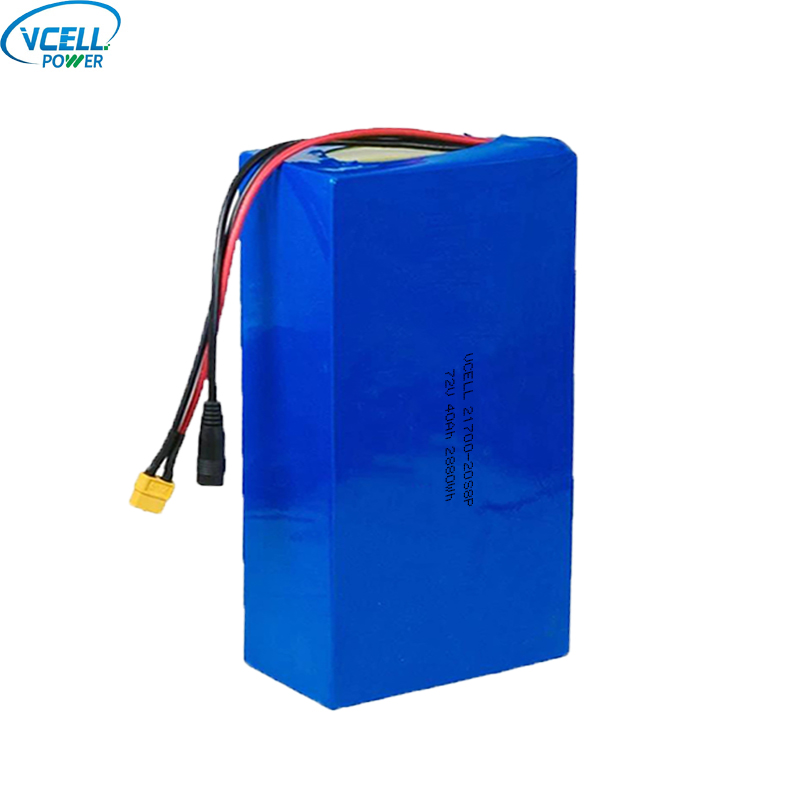
The Invisible Threat: Heat and Cold
Lithium Ion Battery performance relies on stable electrochemical reactions. When temperatures rise above 35°C (95°F), the internal electrolyte begins to decompose, accelerating side reactions that form solid-electrolyte interphase (SEI) layers. This process permanently reduces capacity and increases internal resistance. Conversely, when temperatures drop below 0°C (32°F), lithium ions struggle to intercalate into the anode, leading to lithium plating—a condition that not only reduces capacity but also poses serious safety risks.
| Temperature Range | Effect on Lithium Ion Battery | Consequence |
|---|---|---|
| Below -10°C (14°F) | Increased internal resistance, lithium plating | Permanent capacity loss, safety hazards |
| -10°C to 0°C (14–32°F) | Slowed ion mobility, reduced usable capacity | Temporary performance drop, risk of damage if charged |
| 15°C to 25°C (59–77°F) | Optimal electrochemical stability | Maximum lifespan and efficiency |
| 35°C to 45°C (95–113°F) | Accelerated SEI growth, electrolyte decomposition | Gradual capacity fade, increased impedance |
| Above 50°C (122°F) | Thermal runaway risk, catastrophic failure | Immediate safety threats, permanent destruction |
How Degradation Accumulates Over Time
The damage caused by extreme temperatures is cumulative. A Lithium Ion Battery exposed to frequent high-temperature cycles may lose up to 30% of its capacity within two years, whereas a thermally managed counterpart retains over 85% in the same period. This degradation is often silent because users rarely notice gradual declines until performance becomes critically compromised.
Modern energy storage solutions from VCELL POWER integrate advanced thermal management systems that maintain cells within the optimal operating range, preventing both acute thermal events and long-term degradation. These systems monitor temperature gradients at the cell level, ensuring uniform heat distribution during charge and discharge cycles.
Best Practices for Thermal Protection
-
Avoid charging Lithium Ion Battery packs immediately after high-current discharge
-
Store batteries at approximately 50% state of charge in climate-controlled environments
-
Never expose battery-powered devices to direct sunlight for extended periods
-
Use only chargers with temperature sensing capabilities
-
For stationary storage, select systems with active thermal regulation
Lithium Ion Battery FAQ
What temperature will damage a lithium ion battery permanently
Permanent damage begins when a Lithium Ion Battery is consistently operated above 40°C (104°F) or charged below 0°C (32°F). At high temperatures, the electrolyte decomposes and the SEI layer thickens irreversibly, reducing available lithium ions. Charging below freezing causes metallic lithium to plate onto the anode, which cannot be reversed and leads to both capacity loss and increased short-circuit risk. Even brief exposure to temperatures above 60°C (140°F) can trigger thermal runaway in vulnerable cells.
How can I tell if my lithium ion battery has been damaged by heat
Signs of heat damage include noticeably shorter runtime, excessive warmth during charging, physical swelling of the battery casing, and voltage irregularities such as sudden drops under load. In many cases, a heat-damaged Lithium Ion Battery will also exhibit longer charge times because increased internal resistance reduces charge acceptance. If swelling or hissing sounds are present, discontinue use immediately and dispose of the battery following local safety regulations.
Can cold temperatures permanently ruin a lithium ion battery
Cold temperatures alone typically do not cause permanent damage unless charging occurs while the battery is cold. Discharging a Lithium Ion Battery in subzero conditions temporarily reduces performance, but capacity usually returns once the battery warms. However, attempting to charge a cold battery—especially below 0°C (32°F)—causes irreversible lithium plating. Repeated cold charging accelerates degradation significantly, potentially cutting battery lifespan by half within a single winter season.
Conclusion
Extreme temperatures silently compromise Lithium Ion Battery performance through mechanisms that are often invisible until substantial damage has occurred. Whether in electric vehicles, energy storage systems, or portable electronics, thermal management is not a luxury but a necessity for safety and longevity. VCELL POWER designs every battery system with comprehensive thermal safeguards, ensuring consistent performance across diverse operating environments.
For tailored solutions that prioritize thermal stability and long-term reliability, contact us today to discuss your application requirements with our engineering team.