

How Does the Manufacturing Process of Li Polymer Prismatic Batteries Work
2026-03-06
The manufacturing process of Li Polymer Prismatic batteries represents a pinnacle of precision engineering and electrochemical science. As industries demand thinner, safer, and more energy-dense power sources, understanding this complex production workflow is essential. At Encore Energy, we specialize in optimizing every stage of Li Polymer Prismatic cell fabrication to ensure superior performance and reliability.
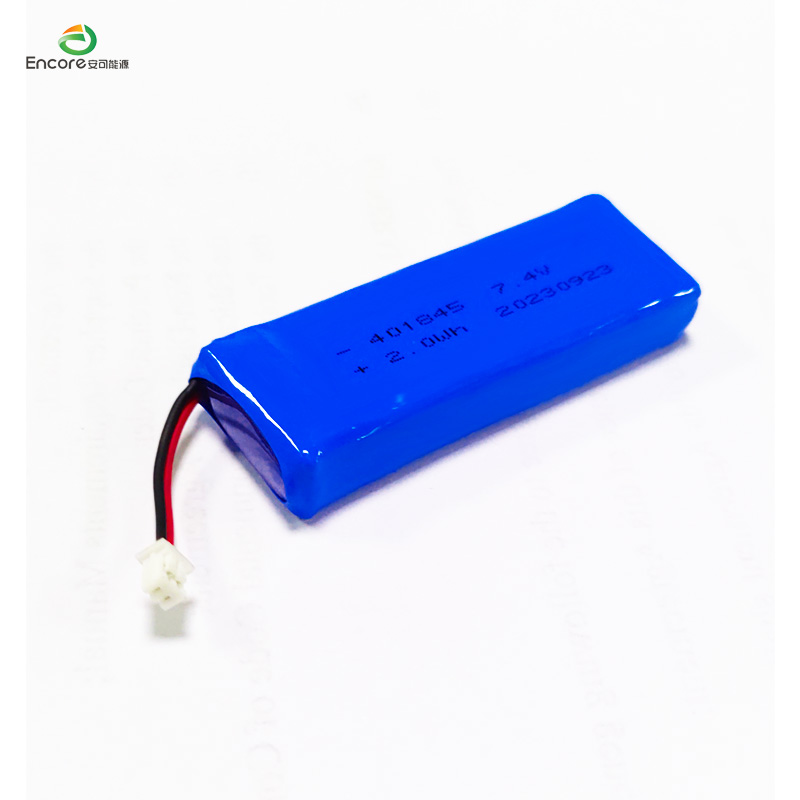
Step-by-Step Manufacturing Workflow
The production of a Li Polymer Prismatic cell involves several critical phases, from electrode preparation to final formation. Below is a detailed breakdown of the standard manufacturing process.
| Stage | Key Process | Quality Control Focus |
|---|---|---|
| 1. Mixing & Coating | Active materials are mixed into a slurry and coated onto metal foils | Uniform thickness and adhesion |
| 2. Calendering | Electrodes are compressed to achieve precise density | Porosity and surface smoothness |
| 3. Stacking & Winding | Electrode sheets and separators are layered into a prismatic format | Alignment and tension control |
| 4. Electrolyte Filling | Liquid polymer electrolyte is injected under vacuum | Complete wetting and air elimination |
| 5. Formation & Aging | Initial charge/discharge cycles form the SEI layer | Capacity consistency and stability |
Critical Technologies in Modern Production
Advancements in automation have significantly improved the consistency of Li Polymer Prismatic cells. Unlike cylindrical cells, the prismatic format requires meticulous control during the stacking process to prevent internal shorts. Encore Energy employs laser cutting systems for precise electrode shaping, which enhances the energy density of our Li Polymer Prismatic batteries.
Thermal Management During Assembly: Maintaining a dry room environment with dew points below -40°C is crucial. Moisture contamination is the leading cause of premature failure in Li Polymer Prismatic cells, making humidity control a non-negotiable aspect of the manufacturing floor.
Frequently Asked Questions About Li Polymer Prismatic Batteries
What distinguishes the manufacturing of Li Polymer Prismatic batteries from other lithium types?
The primary distinction lies in the packaging and electrolyte consistency. Li Polymer Prismatic batteries utilize a flexible aluminum-laminated pouch rather than a rigid metal can. The electrolyte is often in a gel or solid polymer state, which requires specialized stacking equipment to encase the electrodes without damaging the delicate separator materials. This allows for the ultra-thin profiles that are impossible with cylindrical steel enclosures.
How does the prismatic format affect the battery's internal resistance during production?
The prismatic format naturally results in lower internal resistance compared to wound cylindrical cells because the electrode tabs can be placed directly on the electrode sheet edges. During manufacturing, Encore Energy utilizes multi-tab designs and ultrasonic welding techniques to ensure current collection is maximized. This production step is critical for achieving the high discharge rates required in power tools and automotive applications.
Why is the formation process considered the most critical step for Li Polymer Prismatic cells?
Formation is where the battery truly "comes to life." During the first charge, the electrolyte reacts with the anode material to form the Solid Electrolyte Interphase (SEI) layer. For Li Polymer Prismatic cells, this process must be managed with precise temperature control and applied pressure to ensure the layers remain perfectly flat and the SEI layer forms uniformly. A poorly formed cell will suffer from rapid capacity fade, regardless of how well the previous manufacturing steps were executed.
The Encore Energy Advantage
At Encore Energy, we combine advanced robotics with rigorous statistical process control to ensure every Li Polymer Prismatic battery meets stringent industry standards. Our facilities are designed to eliminate manufacturing variances, resulting in cells that offer consistent cycle life and thermal stability.
Are you looking to integrate high-quality Li Polymer Prismatic cells into your next project?
Contact Us today to discuss your application requirements with our engineering team.