

How Does Switch Board Back Unit Type Influence Thermal Management in Enclosed Power Systems
2026-05-25
Effective thermal management is a critical challenge in enclosed power systems, and the Switch Board Back Unit Type plays a decisive role in determining heat dissipation efficiency, component lifespan, and operational safety. At YXFB, engineering teams have long recognized that selecting the correct Switch Of Board Back Unit Type directly prevents overheating failures and reduces energy losses in industrial switchboards.
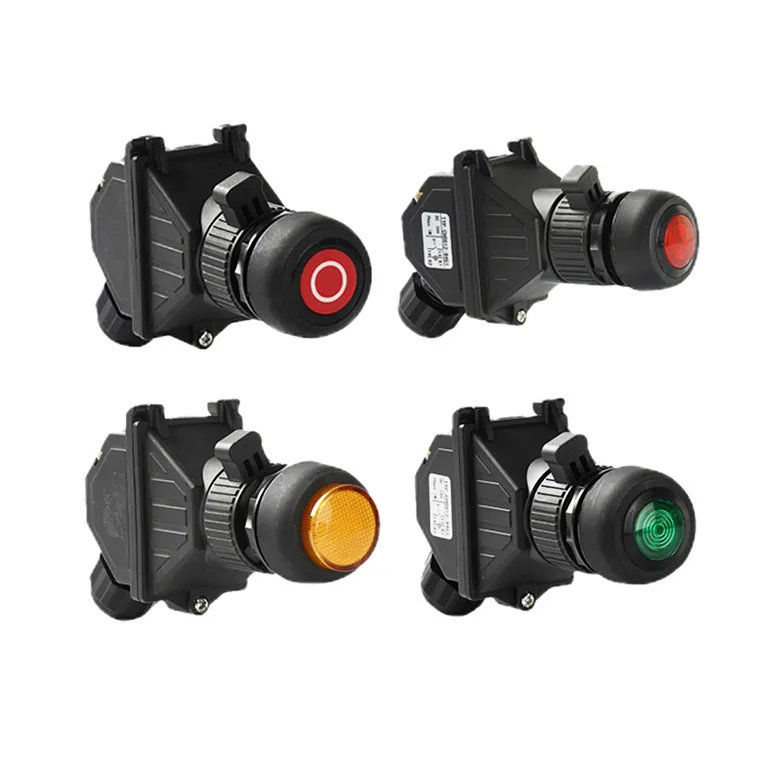
Why the Back Unit Type Matters for Heat Control
Enclosed power systems trap heat generated by busbars, breakers, and connections. The Switch Of Board Back Unit Type dictates airflow channels, material conductivity, and surface area for heat exchange. Common types include open-channel, insulated metal-enclosed, and forced-ventilation back units. Each interacts with thermal dynamics differently.
| Switch Board Back Unit Type | Thermal Influence Mechanism | Typical Application |
|---|---|---|
| Open-channel back unit | Natural convection, high airflow but low protection | Indoor low-voltage panels |
| Solid metal-enclosed back unit | Conduction through casing, requires derating | Dusty or humid environments |
| Forced-ventilation back unit | Active cooling with fans, highest heat removal | High-current switchboards |
| Hybrid composite back unit | Combination of conduction and guided airflow | YXFB smart power centers |
Key Factors Influenced by Back Unit Type
-
Heat accumulation rate – Closed back units can increase internal temperature by 15–20°C compared to open designs.
-
Hotspot distribution – The back unit’s venting pattern determines whether hotspots form near bus connections.
-
Maintenance intervals – Dust accumulation in vented back units may require quarterly cleaning; sealed types need less frequent service but higher derating.
Switch Of Board Back Unit Type – FAQ
What is the most thermally efficient Switch Of Board Back Unit Type for a 2000A enclosed panel?
The forced-ventilation back unit type is most thermally efficient for 2000A and above. It actively extracts heated air through filtered exhausts. YXFB recommends pairing it with temperature sensors to modulate fan speed, achieving up to 40% lower internal rise compared to passive designs. Without ventilation, a 2000A panel may exceed 105°C, risking insulation failure.
Can I retrofit a different Switch Of Board Back Unit Type to an old switchboard to improve cooling?
Yes, retrofitting is possible but requires structural modifications. Changing from a solid metal-enclosed back unit to a hybrid composite unit with guided airflow is common. YXFB provides retrofit kits that adapt the mounting holes and add external vent channels. You must recalculate short-circuit withstand and ingress protection (IP) rating after modification. Many old panels see a 25–30°C temperature drop after upgrading the back unit type.
Does the Switch Of Board Back Unit Type affect long-term cable and busbar aging?
Absolutely. Poor thermal management from a mismatched back unit type accelerates oxidation of copper busbars and embrittles PVC insulation. For every 10°C above rated temperature, busbar ampacity derates by about 8% and insulation life halves. YXFB case studies show that selecting a forced-ventilation back unit type for 1600A continuous load extends busbar service life from 12 to over 25 years.
Best Practices for Thermal Optimization
-
Choose the Switch Of Board Back Unit Type based on full-load current, not just nominal rating.
-
For outdoor enclosures, prioritize back units with filtered passive vents to balance cooling and contamination control.
-
YXFB integrated systems offer modular back units that allow switching between natural and forced convection without panel redesign.
For a detailed thermal simulation or to select the right Switch Of Board Back Unit Type for your enclosed power project, reach out to YXFB today. Send your system specs to our engineering team and receive a customized cooling performance report within 48 hours.