

How Does Smartwatch FPC Enhance Performance and Reliability in Wearable Devices?
2026-03-23
Article Summary
Flexible Printed Circuits (FPC) play a vital role in modern smartwatch design by enabling compact layouts, high durability, and efficient signal transmission. This article provides a comprehensive explanation of how smartwatch FPC works, its key advantages, technical parameters, and how to select the right solution. It also addresses common challenges faced by manufacturers and buyers, such as reliability, flexibility, and integration constraints.
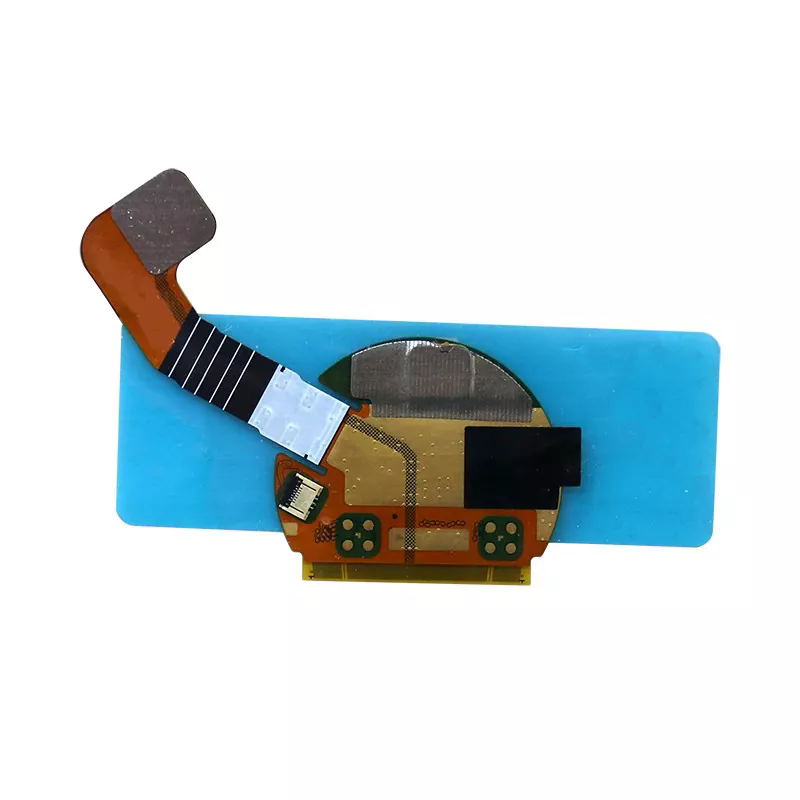
Table of Contents
- 1. What Is Smartwatch FPC?
- 2. How Does Smartwatch FPC Work?
- 3. Key Challenges in Smartwatch Circuit Design
- 4. Benefits of Using FPC in Smartwatches
- 5. Technical Parameters of Smartwatch FPC
- 6. Types of Smartwatch FPC Structures
- 7. How to Choose the Right Smartwatch FPC
- 8. Manufacturing and Quality Considerations
- 9. Frequently Asked Questions
- 10. Conclusion
1. What Is Smartwatch FPC?
Smartwatch FPC (Flexible Printed Circuit) is a highly adaptable electronic interconnection solution designed specifically for wearable devices. Unlike rigid PCBs, FPCs are made from flexible substrates such as polyimide, allowing them to bend, fold, and fit into compact spaces.
In smartwatches, FPC connects critical components such as displays, sensors, batteries, and processors, ensuring seamless data transmission while maintaining a lightweight and space-efficient design.
2. How Does Smartwatch FPC Work?
Smartwatch FPC functions by integrating conductive copper traces on a flexible substrate. These traces transmit electrical signals between components while maintaining structural flexibility.
- Thin copper layers ensure efficient conductivity
- Flexible base materials allow bending and folding
- Protective coatings enhance durability
- Precision design supports high-density circuits
This structure enables smartwatches to achieve compact form factors without sacrificing electrical performance.
3. Key Challenges in Smartwatch Circuit Design
Designing circuits for smartwatches involves several technical challenges that traditional rigid boards cannot easily address.
- Limited Space: Ultra-compact device architecture
- Frequent Movement: Constant bending and vibration
- Thermal Constraints: Heat management in small enclosures
- Signal Integrity: Maintaining stable performance under dynamic conditions
FPC technology directly solves these issues by offering flexibility, durability, and high integration capabilities.
4. Benefits of Using FPC in Smartwatches
The adoption of FPC technology in smartwatches provides multiple performance and design advantages.
- Space Optimization: Enables compact and lightweight designs
- Enhanced Durability: Withstands repeated bending cycles
- Improved Reliability: Reduces connector failures
- Design Flexibility: Supports complex 3D layouts
- Cost Efficiency: Reduces assembly complexity
Manufacturers such as Honflex specialize in producing high-performance smartwatch FPC solutions tailored to demanding wearable applications.
5. Technical Parameters of Smartwatch FPC
| Parameter | Description |
| Base Material | Polyimide (PI) or Polyester (PET) |
| Thickness | Typically 0.05mm – 0.2mm |
| Copper Thickness | 12μm – 35μm |
| Bending Radius | As low as 1mm depending on design |
| Operating Temperature | -40°C to 125°C |
| Layer Count | Single-layer, double-layer, or multilayer |
| Surface Finish | ENIG, OSP, or immersion tin |
These parameters are critical when evaluating performance, durability, and compatibility with smartwatch designs.
6. Types of Smartwatch FPC Structures
Different smartwatch applications require specific FPC structures to meet functional and mechanical demands.
- Single-Sided FPC: Simple designs with one conductive layer
- Double-Sided FPC: Higher circuit density and connectivity
- Multilayer FPC: Complex designs with advanced functionality
- Rigid-Flex FPC: Combination of rigid and flexible sections
Each structure offers a balance between cost, complexity, and performance.
7. How to Choose the Right Smartwatch FPC
Selecting the appropriate smartwatch FPC requires careful consideration of several factors.
- Application Requirements: Define functionality and complexity
- Mechanical Stress: Evaluate bending and durability needs
- Electrical Performance: Ensure signal integrity
- Material Selection: Choose suitable substrate and finish
- Supplier Expertise: Partner with experienced manufacturers
Working with a trusted supplier ensures consistent quality and optimized design solutions.
8. Manufacturing and Quality Considerations
High-quality smartwatch FPC production involves precise manufacturing processes and strict quality control.
- Advanced etching and lamination techniques
- Accurate alignment for multilayer circuits
- Rigorous electrical testing
- Durability testing for bending cycles
Reliable manufacturers implement comprehensive quality assurance systems to ensure long-term product stability.
9. Frequently Asked Questions
Q1: Why is FPC preferred over rigid PCB in smartwatches?
FPC provides flexibility, reduced weight, and better space utilization, making it ideal for compact wearable devices.
Q2: How long does a smartwatch FPC last?
High-quality FPCs can withstand thousands of bending cycles, ensuring long-term durability in daily use.
Q3: Can smartwatch FPC support high-speed data transmission?
Yes. Properly designed FPCs maintain excellent signal integrity and support high-speed communication between components.
Q4: What factors affect FPC reliability?
Material quality, design accuracy, manufacturing precision, and environmental conditions all influence reliability.
10. Conclusion
Smartwatch FPC is a foundational technology that enables modern wearable devices to achieve compact design, high performance, and long-term reliability. By addressing critical challenges such as space constraints, mechanical stress, and signal integrity, FPC solutions continue to drive innovation in the wearable industry.
Honflex offers advanced smartwatch FPC solutions engineered for precision, durability, and performance, supporting a wide range of wearable applications.
For customized solutions and professional support tailored to your project requirements, contact us today to explore how high-quality FPC technology can elevate your smartwatch designs.