

How Does PE Single Core Cable Transform Performance, Safety, and Future Readiness?
2025-12-05
A PE Single Core Cable is an insulated electrical conductor built with a single copper or aluminum conductor coated in polyethylene (PE) insulation. Known for its superior dielectric strength, moisture resistance, mechanical stability, and chemical durability, this cable plays a central role in energy distribution, industrial wiring, automation, construction systems, and power management.
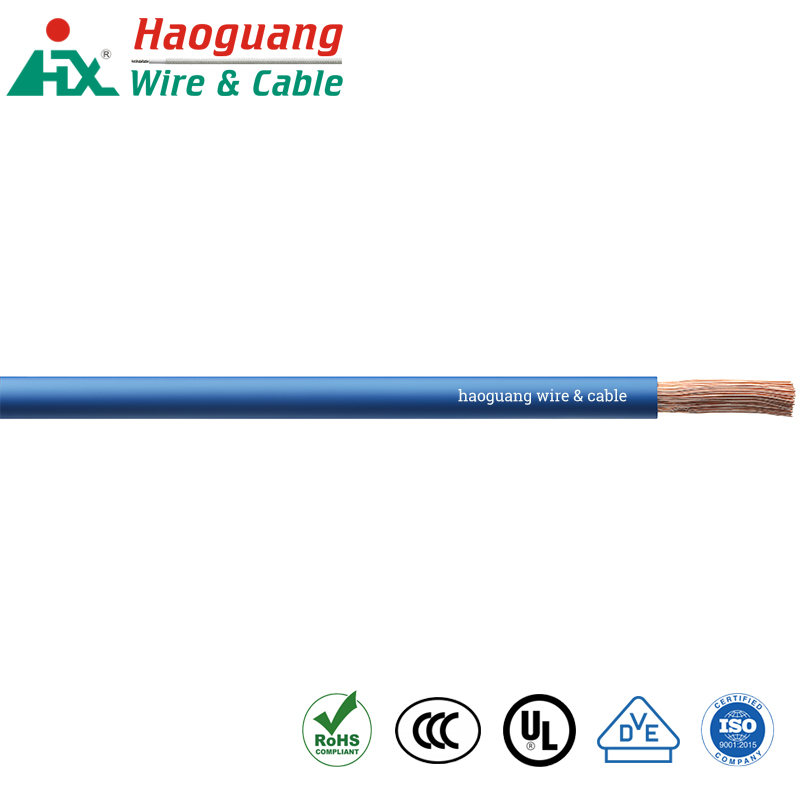
Key Technical Specifications of PE Single Core Cable
| Parameter | Description |
|---|---|
| Conductor Material | High-purity copper or aluminum |
| Conductor Structure | Solid or stranded single conductor |
| Insulation Material | Polyethylene (PE), high dielectric strength |
| Rated Voltage | Typically 300/500V or 450/750V (customizable) |
| Temperature Range | −20°C to +70°C (varies by grade) |
| Insulation Thickness | Customized based on voltage class |
| Standards | IEC, BS, ISO, RoHS (depending on requirement) |
| Applications | Internal wiring, control panels, power supply, building wiring, industrial equipment |
How Does the Structure of PE Single Core Cable Enhance Its Performance and Functional Capabilities?
How Does PE Insulation Improve Electrical Strength?
Polyethylene insulation provides exceptional dielectric properties, enabling the cable to withstand higher voltage stress without breakdown. Its low dielectric constant reduces power loss during transmission, supporting efficient current flow in various applications—from residential wiring to advanced industrial systems.
How Does the Single-Core Design Support Better Stability?
A single-core configuration ensures consistent electrical conductivity and predictable current flow. Because the conductor is singular rather than multi-core, it offers:
-
Lower resistance per unit length
-
Simpler installation
-
Straightforward fault detection
-
Better compatibility in high-frequency or precision wiring systems
How Does PE Material Resist Moisture and Chemicals?
Polyethylene is inherently hydrophobic, preventing water absorption that could otherwise deteriorate insulation. This makes the cable ideal for environments exposed to humidity, light chemical vapor, or moderate mechanical stress.
Functional Advantages of PE Single Core Cable
-
Excellent insulation with low leakage current
-
High tensile strength and long working life
-
Lightweight and easy to route
-
Cost-efficient while maintaining durability
-
Resistant to abrasion and moderate temperatures
-
Suitable for both fixed and protected installations
FAQ
Q: How does PE insulation differ from PVC insulation in wiring applications?
A: PE insulation offers significantly higher dielectric strength and lower capacitance compared to PVC. It resists moisture far more effectively, maintains stable insulation even under variable temperatures, and produces less smoke when exposed to heat. PVC is more flexible and flame-retardant but exhibits higher dielectric loss and is less ideal for high-frequency applications. Therefore, PE is often chosen for precision, high-performance, and energy-efficient wiring systems.
Q: How long can a PE Single Core Cable typically last under normal operating conditions?
A: With proper installation and appropriate voltage loading, PE Single Core Cable can operate for decades. Its resistance to moisture, oxidation, and chemical exposure significantly extends lifespan. Real-world lifetimes often exceed 20–30 years, especially in low-stress indoor environments or well-designed industrial control systems.
How Does PE Single Core Cable Deliver Reliable Advantages and Support Key Application Scenarios?
How Does the Cable Optimize Energy Efficiency?
The low dielectric loss of polyethylene ensures minimal energy dissipation during conduction. This efficiency is particularly beneficial in:
-
Smart building wiring
-
Data and signal transmission circuits
-
Control and instrumentation systems
Because lower energy loss translates to lower heat emission, systems run cooler and components last longer.
How Does the Cable Support Industrial Stability?
Industries rely heavily on cables that maintain predictable performance under operational stress. PE Single Core Cable supports this need through:
-
Strong mechanical integrity
-
Stable performance in medium-temperature environments
-
Resistance to environmental moisture
-
Low signal distortion for sensitive applications
How Does It Perform in Building and Infrastructure Wiring?
Its moisture resistance makes PE Single Core Cable ideal for conduits, insulation ducts, and protected pipelines. It also integrates smoothly into:
-
Power distribution systems
-
Control cabinets
-
HVAC systems
-
Lighting circuits
Why Is Single-Core Preferred in Control Panels?
Control panels require wiring that is:
-
Straightforward
-
Easily traceable
-
Efficient for heat dissipation
-
Mechanically stable
Single-core cables meet these needs by offering a cleaner and more maintainable electrical layout.
How Will PE Single Core Cable Evolve with Future Electrical and Industrial Trends?
How Will Efficiency-Driven Design Influence Future Cables?
As systems push toward lower energy consumption, PE Single Core Cable will continue evolving through:
-
Enhanced low-loss insulation formulations
-
Higher purity conductors
-
Improved thermal stability
-
Better eco-friendly materials
These trends align with global expectations for sustainable electrical infrastructure.
How Will Smart Infrastructure Shape Cable Requirements?
Future infrastructure will demand cables that support:
-
Advanced automation
-
High-density wiring
-
Efficient data and control signal transmission
-
Precision measurement systems
PE Single Core Cable’s stable properties make it inherently aligned with these demands.
How Will New Safety Standards Influence Cable Manufacturing?
Regulations continue to tighten around:
-
Fire-resistant materials
-
Eco-compliant manufacturing
-
Low-hazard insulation
-
Environmentally safe disposal and recycling
PE insulation’s clean-performance profile places it as a favorable choice for meeting emerging global standards.
How Does Haoguang Strengthen Confidence in PE Single Core Cable Solutions?
PE Single Core Cable provides a powerful combination of electrical strength, durability, stability, and long-term value. Its structure supports consistent power delivery, its insulation minimizes energy loss, and its mechanical integrity ensures reliability across industrial, residential, and commercial installations. As electrical systems evolve toward smarter, more efficient, and more environmentally conscious designs, this cable remains a dependable foundation.
Haoguang delivers professionally engineered PE Single Core Cables built on strict quality control, reliable materials, and application-driven design. For projects that require stability, long lifespan, and dependable insulation performance, Haoguang provides tailored solutions designed to meet modern and future electrical standards.
For detailed specifications, technical support, or customized cable solutions, contact us to discuss your requirements with the Haoguang team.