

How Does PCB Design and Assembly Improve Modern Electronics Manufacturing?
2026-05-29
In today's fast-changing electronics industry, PCB Design and Assembly plays a critical role in ensuring product performance, reliability, and production efficiency. From consumer electronics and automotive systems to industrial automation and medical equipment, high-quality printed circuit boards are the foundation of modern electronic devices. Companies that focus on professional PCB solutions can significantly improve product stability, reduce manufacturing costs, and accelerate time-to-market.
As a trusted manufacturer, Shenzhen Fanway Technology Co., Ltd provides comprehensive PCB solutions including PCB layout design, prototype manufacturing, SMT assembly, component sourcing, testing, and mass production services. With advanced production equipment and experienced engineering teams, the company delivers reliable and customized solutions for global customers.
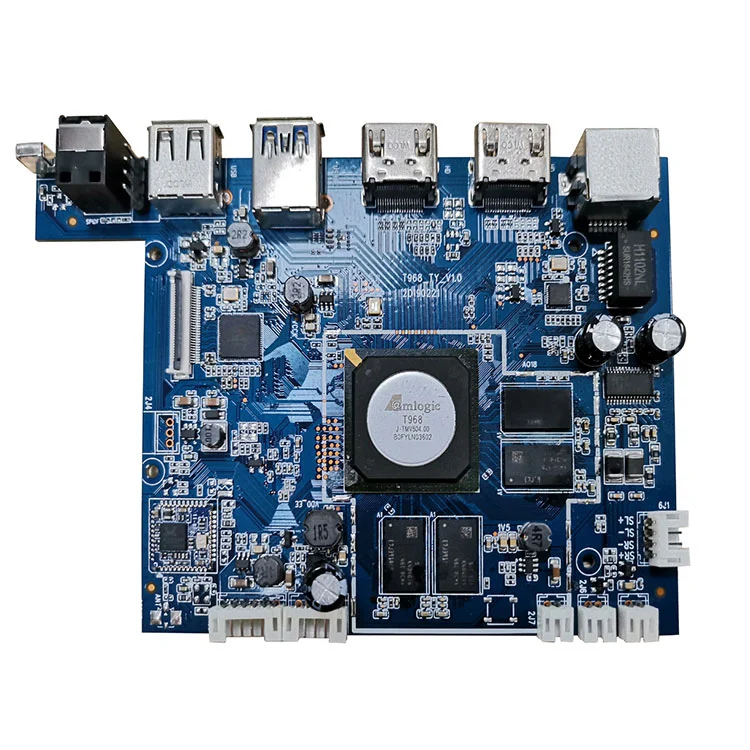
What Is PCB Design and Assembly?
PCB Design and Assembly refers to the complete process of creating and manufacturing printed circuit boards for electronic products. It generally includes:
-
Circuit schematic design
-
PCB layout and routing
-
Material selection
-
PCB fabrication
-
SMT and DIP assembly
-
Functional testing
-
Final inspection
The purpose of PCB design is to ensure electrical performance, signal integrity, thermal management, and product reliability. PCB assembly focuses on accurately mounting electronic components onto the board for final product functionality.
Why Is PCB Design and Assembly Important?
A professionally designed PCB can directly influence the quality and lifespan of electronic products. Poor PCB design may cause:
-
Signal interference
-
Overheating
-
Short circuits
-
Low production efficiency
-
Product failure
High-quality PCB assembly ensures precise component placement and reliable soldering, reducing defects and improving product stability.
Key Advantages of Professional PCB Design and Assembly
| Advantage | Description |
|---|---|
| Improved Reliability | Reduces electrical and mechanical failures |
| Faster Production | Optimized processes shorten lead times |
| Cost Efficiency | Minimizes material waste and rework |
| Better Performance | Enhances signal integrity and power management |
| Scalability | Supports both prototype and mass production |
What Are the Main Steps in PCB Design?
The PCB design process requires technical expertise and advanced engineering tools. Below are the major stages involved.
1. Schematic Design
Engineers create the electronic circuit diagram that defines component connections and system functions.
2. PCB Layout
The PCB layout process determines component placement and routing paths. Proper layout design helps reduce electromagnetic interference and improves heat dissipation.
3. Design Rule Check (DRC)
DRC ensures that the PCB complies with manufacturing standards and electrical safety requirements.
4. Prototype Production
PCB prototypes allow engineers to test and verify functionality before mass production begins.
5. Testing and Optimization
After prototype testing, engineers optimize the design for better efficiency, reliability, and manufacturability.
How Does PCB Assembly Work?
PCB assembly transforms a bare PCB into a functional electronic board by mounting components onto it.
Common PCB Assembly Technologies
SMT Assembly
Surface Mount Technology (SMT) places components directly onto the PCB surface using automated equipment. SMT offers:
-
High assembly speed
-
Compact designs
-
Better electrical performance
-
Lower manufacturing costs
DIP Assembly
Dual In-line Package (DIP) assembly inserts components through holes in the PCB and solders them manually or automatically. DIP is often used for larger or high-power components.
PCB Assembly Process
-
Solder paste printing
-
Component placement
-
Reflow soldering
-
AOI inspection
-
Functional testing
-
Final quality inspection
Which Industries Use PCB Design and Assembly?
PCB Design and Assembly is widely used across various industries due to its versatility and importance in electronic manufacturing.
Consumer Electronics
Smartphones, tablets, wearable devices, and smart home products all rely on advanced PCB technologies.
Automotive Electronics
Modern vehicles require PCBs for:
-
Navigation systems
-
Sensors
-
Battery management
-
ADAS systems
Industrial Automation
Industrial control systems and robotics depend on stable and durable PCBs for continuous operation.
Medical Equipment
Medical devices require highly reliable PCB assemblies to ensure operational safety and accuracy.
How Does Shenzhen Fanway Technology Co., Ltd Deliver High-Quality PCB Solutions?
Shenzhen Fanway Technology Co., Ltd specializes in delivering one-stop PCB manufacturing services with strict quality control and advanced production capabilities.
Core Strengths of the Company
-
Experienced engineering team
-
Advanced SMT production lines
-
Fast prototype turnaround
-
Flexible low-volume and mass production
-
Strict international quality standards
-
Competitive pricing
The company supports customers from initial PCB design to final product assembly, helping reduce communication costs and improve project efficiency.
What Factors Affect PCB Design and Assembly Quality?
Several important factors determine the final quality of a PCB project.
Material Selection
High-quality PCB materials improve thermal resistance, electrical conductivity, and durability.
Manufacturing Precision
Accurate drilling, routing, and soldering ensure consistent product performance.
Component Quality
Reliable electronic components reduce product failure rates and improve lifespan.
Testing Standards
Comprehensive testing procedures help identify defects before shipment.
PCB Design vs PCB Assembly
Although closely related, PCB design and PCB assembly serve different purposes in electronics manufacturing.
| PCB Design | PCB Assembly |
|---|---|
| Creates circuit layout | Mounts components onto PCB |
| Focuses on electrical performance | Focuses on manufacturing accuracy |
| Uses CAD software | Uses SMT/DIP equipment |
| Conducted by design engineers | Conducted by assembly technicians |
Both processes are essential for producing high-performance electronic products.
How Can Professional PCB Services Reduce Costs?
Working with an experienced PCB manufacturer can significantly reduce overall project costs.
Cost Reduction Benefits
-
Lower defect rates
-
Faster production cycles
-
Reduced manual labor
-
Better supply chain management
-
Optimized material usage
Professional manufacturers can also provide design optimization suggestions that improve manufacturability and reduce unnecessary expenses.
What Should Customers Consider When Choosing a PCB Partner?
Choosing the right PCB manufacturing partner is critical for product success.
Important Selection Factors
-
Manufacturing experience
-
Engineering support
-
Quality certifications
-
Production capacity
-
Delivery speed
-
Customer service
A reliable supplier should offer transparent communication, stable production quality, and flexible customization options.
Future Trends in PCB Design and Assembly
The PCB industry continues evolving with new technologies and market demands.
Emerging Trends
-
High-density interconnect (HDI) PCBs
-
Flexible and rigid-flex PCBs
-
AI-assisted PCB design
-
Miniaturized electronics
-
High-frequency PCB applications
-
Automated smart manufacturing
These trends are driving higher precision, better performance, and faster manufacturing capabilities.
Conclusion
As electronics become more advanced and compact, the importance of professional PCB Design and Assembly continues to grow. High-quality PCB solutions not only improve product performance but also help companies reduce costs, accelerate production, and maintain competitive advantages in global markets.
With advanced manufacturing capabilities, strict quality management, and experienced engineering support, Shenzhen Fanway Technology Co., Ltd is committed to providing reliable PCB solutions for customers worldwide. Whether you need PCB prototyping, SMT assembly, or full turnkey manufacturing services, the company can deliver efficient and customized solutions tailored to your project requirements.
If you are looking for a reliable partner for your PCB projects, please contact us today to learn how Shenzhen Fanway Technology Co., Ltd can help bring your electronic products to life.