

How Does Medical Devices PCB Assembly Improve Healthcare Technology?
2026-05-29
Abstract: Medical devices play a critical role in modern healthcare, and their reliability depends heavily on the quality of printed circuit board (PCB) assemblies. This article explores how Medical Devices PCB Assembly enhances device performance, ensures compliance with stringent regulations, and addresses common challenges faced by manufacturers.
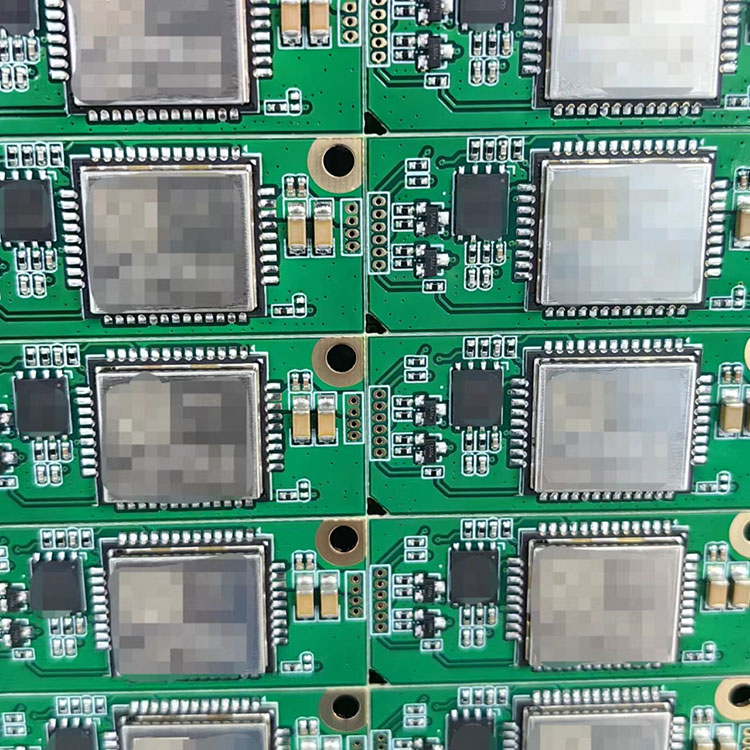
Table of Contents
- Importance of PCB Assembly in Medical Devices
- Common Challenges in Medical Device PCB Assembly
- Medical Devices PCB Assembly Process
- Quality Standards and Compliance
- Key Benefits of High-Quality PCB Assembly
- Frequently Asked Questions
- Conclusion
Importance of PCB Assembly in Medical Devices
Printed circuit boards (PCBs) form the backbone of modern medical devices. They are responsible for ensuring the precise functioning of devices such as patient monitors, imaging machines, wearable health trackers, and diagnostic tools.
- Reliability: A well-assembled PCB guarantees uninterrupted performance in critical healthcare applications.
- Accuracy: Properly designed and assembled PCBs support precise measurements and data collection.
- Miniaturization: Advanced PCB techniques allow for compact devices without sacrificing functionality.
In healthcare, even minor failures can have serious consequences. Therefore, Medical Devices PCB Assembly is essential for maintaining patient safety and device efficacy.
Common Challenges in Medical Device PCB Assembly
Manufacturers face several challenges when assembling PCBs for medical devices:
| Challenge | Description | Impact |
|---|---|---|
| Regulatory Compliance | Medical devices must comply with standards like ISO 13485 and FDA guidelines. | Non-compliance can lead to recalls or legal issues. |
| Miniaturization | Compact PCBs require precise placement and soldering of components. | Errors can cause device malfunctions or failure. |
| Component Sourcing | High-quality components must be sourced from reliable suppliers. | Poor-quality components affect device longevity and safety. |
| Thermal Management | Excess heat can damage sensitive electronics in medical devices. | Improper management may reduce device lifespan or accuracy. |
Medical Devices PCB Assembly Process
The assembly process for medical device PCBs involves several meticulous steps to ensure functionality and compliance:
- Design & Prototyping: Engineers create precise layouts using CAD software and simulate device performance.
- PCB Fabrication: High-quality materials like FR-4 and Rogers substrates are used to produce durable boards.
- Component Placement: Automated pick-and-place machines position components accurately to prevent errors.
- Soldering: Techniques like reflow soldering and wave soldering secure components without damaging the board.
- Inspection & Testing: X-ray inspection, functional testing, and electrical tests ensure defect-free boards.
- Final Assembly: PCBs are integrated into medical devices with additional quality checks before shipment.
This process minimizes defects and guarantees the reliability necessary for critical healthcare applications.
Quality Standards and Compliance
Medical device PCBs must adhere to strict industry standards to ensure safety and performance:
- ISO 13485: International standard for medical device quality management systems.
- FDA 21 CFR Part 11: Ensures data integrity and electronic record compliance.
- RoHS Compliance: Restricts hazardous materials in medical electronics.
- IPC-A-610: Defines acceptability criteria for electronic assemblies.
Adhering to these standards not only ensures compliance but also strengthens customer confidence in the device’s performance.
Key Benefits of High-Quality PCB Assembly
Investing in top-tier PCB assembly delivers multiple advantages for medical device manufacturers and end-users:
- Enhanced Device Reliability: Reduces downtime and maintenance costs.
- Improved Patient Safety: Prevents device malfunctions that could endanger patients.
- Extended Device Lifespan: High-quality PCBs last longer under operational stress.
- Efficient Production: Streamlined assembly processes reduce manufacturing delays.
- Regulatory Confidence: Facilitates easier certification and market approval.
Frequently Asked Questions
Q1: What types of medical devices require specialized PCB assemblies?
A1: Devices such as diagnostic equipment, patient monitoring systems, implantable devices, and wearable health trackers often require advanced PCB assemblies.
Q2: How can PCB assembly failures be minimized?
A2: Implementing automated assembly processes, stringent testing, and high-quality component sourcing significantly reduces the risk of failures.
Q3: Why is compliance with standards crucial?
A3: Compliance ensures device safety, regulatory approval, and market acceptance, while non-compliance may lead to recalls or legal issues.
Q4: Can PCB miniaturization affect performance?
A4: Yes, careful thermal management, precise component placement, and advanced design techniques are required to maintain performance in smaller PCBs.
Conclusion
Medical Devices PCB Assembly is a critical component in the healthcare technology ecosystem. By focusing on precision, quality, and compliance, manufacturers can deliver reliable, safe, and high-performing medical devices. The benefits include increased patient safety, device longevity, and regulatory assurance.
For customized Medical Devices PCB Assembly solutions, high-quality manufacturing, and professional support, contact us at Hayner today. Visit our product page to learn more.