

Abstract
Litz magnet wire is a specialized type of conductor designed to minimize the skin effect and reduce AC resistance in high-frequency applications. This article explores the properties, advantages, and applications of Litz magnet wire, providing insights for engineers, manufacturers, and hobbyists seeking efficient electromagnetic solutions. By understanding its design, construction, and benefits, users can select the most suitable Litz wire for their electrical and electronic projects.
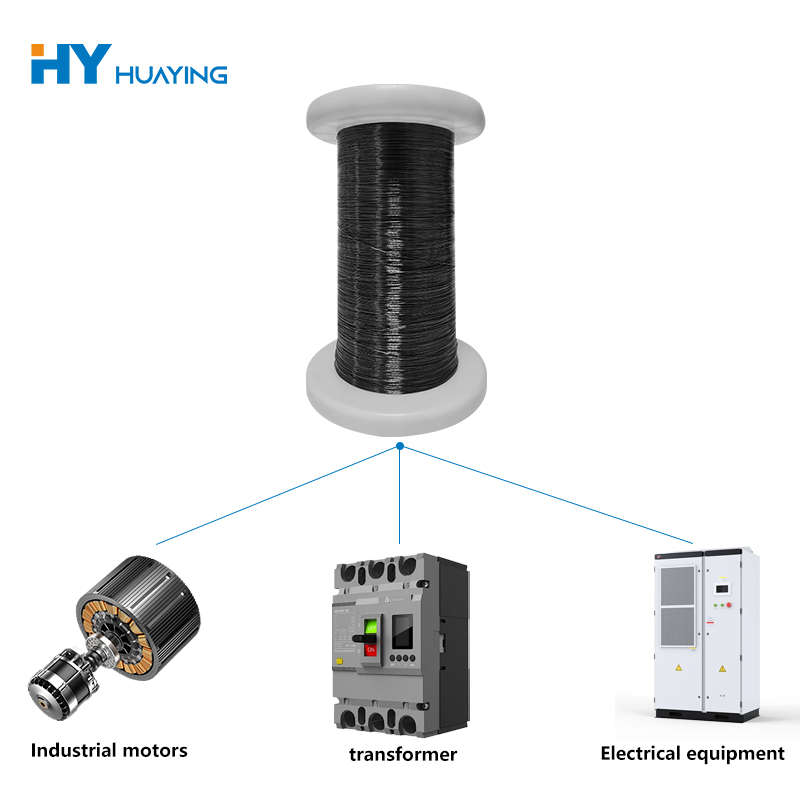
Table of Contents
What is Litz Magnet Wire?
Litz magnet wire is a type of wire used primarily in high-frequency electrical applications. Unlike traditional solid conductors, Litz wire consists of multiple thin insulated strands twisted or woven together to reduce losses caused by the skin and proximity effects.
- Skin Effect: The tendency of AC current to concentrate near the conductor's surface, increasing resistance.
- Proximity Effect: The interaction of magnetic fields in closely spaced wires, leading to additional resistance.
By using Litz wire, engineers can achieve improved efficiency and reduced heat generation, making it ideal for transformers, inductors, and high-frequency coils.
Construction and Properties of Litz Wire
The construction of Litz wire is carefully designed to optimize electrical performance. Key aspects include:
- Stranding: Multiple thin strands are individually insulated and then twisted or braided together.
- Insulation: Each strand is coated with a thin insulating layer, typically enamel, to prevent short circuits.
- Twist Patterns: Specific twisting or braiding patterns reduce AC resistance and maintain consistent electrical properties.
- Flexibility: Litz wire is more flexible than solid wires of equivalent cross-section, facilitating complex winding geometries.
Here is a quick comparison table between Litz wire and standard solid wire:
| Feature | Litz Wire | Solid Wire |
|---|---|---|
| AC Resistance at High Frequency | Low | High |
| Flexibility | High | Low |
| Skin Effect Losses | Minimal | Significant |
| Cost | Higher | Lower |
Advantages of Using Litz Wire
Litz wire offers several benefits for high-frequency electrical applications:
- Reduced AC Resistance: Minimizes losses caused by skin and proximity effects.
- Improved Efficiency: Enhances the performance of transformers, coils, and inductors.
- Better Thermal Management: Reduced heat generation extends component lifespan.
- Flexibility in Winding: Allows intricate winding designs without compromising performance.
- Noise Reduction: Helps reduce electromagnetic interference in sensitive circuits.
Applications Across Industries
Litz magnet wire is widely used in both industrial and consumer electronics. Common applications include:
- Transformers: Used in high-frequency switching power supplies for improved efficiency.
- Inductors: Reduces core losses and enhances energy storage capabilities.
- Motors: Optimizes winding performance in high-speed and high-frequency motors.
- Wireless Charging Coils: Minimizes losses in resonant circuits.
- Audio Equipment: Enhances signal clarity in headphones, speakers, and amplifiers.
How to Select the Right Litz Wire
Selecting the proper Litz wire depends on several factors:
- Operating Frequency: Higher frequencies require more strands with smaller diameters to reduce skin effect losses.
- Current Rating: Determine the total cross-sectional area needed to safely carry the current without overheating.
- Insulation Type: Choose enamel or polymer coatings suitable for operating voltage and environmental conditions.
- Winding Geometry: Consider flexibility and ease of installation based on your design constraints.
- Manufacturer Quality: Work with reliable suppliers like Huizhou Huaying Electronic Technology Co., Ltd. to ensure consistent wire quality and performance.
FAQ
- Q1: What is the main difference between Litz wire and conventional wire?
- A1: Litz wire consists of multiple individually insulated strands woven together, reducing high-frequency losses caused by skin and proximity effects.
- Q2: Can Litz wire be used for low-frequency applications?
- A2: While it can be used, its benefits are most noticeable at high frequencies where AC losses are significant.
- Q3: How should Litz wire be soldered?
- A3: Use proper flux and ensure insulation is removed from the strand tips. Soldering requires careful heating to avoid damaging the insulation.
- Q4: Is Litz wire more expensive than standard wire?
- A4: Yes, due to its complex construction, Litz wire generally costs more, but the efficiency gains often justify the investment.
Contact Huizhou Huaying Electronic Technology Co., Ltd.
For high-quality Litz magnet wire and expert guidance on selection and customization, contact us today. Our team at Huizhou Huaying Electronic Technology Co., Ltd. is ready to help you optimize your electrical and electronic designs with reliable, high-performance magnet wire solutions.