

How Does High Frequency PCB Improve the Performance of Advanced Electronic Devices?
2026-07-23
Article Summary
High Frequency PCB technology has become an essential solution for modern electronic systems that require faster signal transmission, lower signal loss, and higher operational reliability. As industries such as telecommunications, automotive electronics, aerospace, medical equipment, and high-speed computing continue to demand greater performance, traditional circuit boards often struggle to meet advanced application requirements.
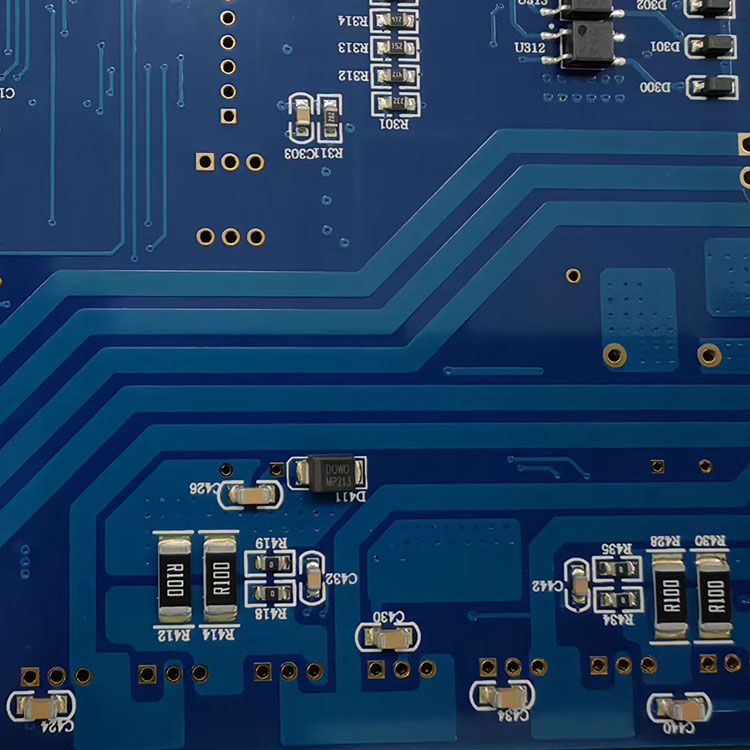
This article explains how High Frequency PCB works, why it is important, what challenges engineers face during PCB design and manufacturing, and how professional manufacturers like Hayner help customers achieve stable and high-performance circuit solutions. By understanding material selection, design principles, manufacturing considerations, and application advantages, engineers can make better decisions when developing next-generation electronic products.
Table of Contents
- 1. What Is High Frequency PCB?
- 2. Why Does High Frequency PCB Matter for Modern Electronics?
- 3. How Does High Frequency PCB Work?
- 4. What Are the Key Challenges in High Frequency PCB Manufacturing?
- 5. How to Select the Right High Frequency PCB Solution?
- 6. Applications of High Frequency PCB Technology
- 7. How Hayner Supports High Performance PCB Requirements?
- 8. Frequently Asked Questions About High Frequency PCB
Article Outline
- Understanding the basic concept and function of High Frequency PCB
- Analyzing the advantages of high-frequency circuit solutions
- Exploring manufacturing difficulties and engineering solutions
- Choosing suitable materials and PCB suppliers
- Discovering industrial applications and future trends
What Is High Frequency PCB?
A High Frequency PCB is a specialized printed circuit board designed to transmit high-speed electrical signals with minimal loss and distortion. Unlike conventional PCBs that are mainly used for standard electronic applications, high-frequency circuit boards are engineered for environments where signal integrity, electromagnetic performance, and transmission speed are critical.
These PCBs usually use advanced materials with stable dielectric properties, low dissipation factors, and controlled impedance characteristics. The selection of substrate materials plays a major role in maintaining consistent signal performance, especially when operating at high frequencies.
High Frequency PCB solutions are widely used in products that require precise signal transmission, including communication equipment, radar systems, satellite devices, automotive radar, and high-speed data processing systems.
Why Does High Frequency PCB Matter for Modern Electronics?
Modern electronic devices are becoming smaller, faster, and more powerful. As operating frequencies increase, designers face several technical challenges, including signal attenuation, electromagnetic interference, and heat generation.
A traditional PCB material may not provide sufficient electrical stability for high-speed applications. High Frequency PCB technology helps overcome these problems by providing better signal transmission performance and improved reliability.
The main advantages include:
- Reduced Signal Loss: Advanced materials minimize energy loss during high-frequency signal transmission.
- Improved Signal Integrity: Controlled impedance design helps maintain accurate data communication.
- Better Thermal Performance: Suitable materials improve heat management in demanding environments.
- Enhanced Reliability: Stable electrical characteristics support long-term operation.
- Higher Design Flexibility: Engineers can develop compact and complex electronic systems.
For industries moving toward 5G communication, intelligent vehicles, and advanced automation, High Frequency PCB is becoming a fundamental component for achieving reliable performance.
How Does High Frequency PCB Work?
The working principle of a High Frequency PCB depends on controlling how electrical signals travel through the circuit structure. When high-frequency signals pass through a PCB, even small variations in material properties, trace dimensions, or manufacturing accuracy can affect performance.
High Frequency PCB manufacturing focuses on several important factors:
- Low Dielectric Loss Materials: These materials reduce signal energy loss and maintain transmission efficiency.
- Precise Impedance Control: Proper trace width and spacing ensure stable signal propagation.
- Advanced Layer Structure: Multi-layer designs help optimize routing and reduce interference.
- Surface Treatment Technology: Proper finishing improves connection reliability and electrical performance.
- Manufacturing Precision: Accurate drilling, lamination, and inspection processes ensure consistency.
During operation, electrical signals travel through copper traces embedded within dielectric materials. The combination of material performance and accurate manufacturing determines whether the PCB can maintain stable high-speed communication.
What Are the Key Challenges in High Frequency PCB Manufacturing?
Producing reliable High Frequency PCB products requires advanced engineering knowledge and strict production control. Many customers experience problems such as unstable signal performance, unexpected losses, or product failures because the PCB design and manufacturing process are not properly matched.
The major challenges include:
| Challenge | Impact on Performance | Possible Solution |
|---|---|---|
| Material Selection | Incorrect materials may increase signal loss and reduce stability | Choose substrates with suitable dielectric properties |
| Impedance Control | Signal reflection and transmission errors may occur | Maintain accurate trace design and manufacturing tolerance |
| Thermal Management | Excessive heat may shorten product lifespan | Optimize PCB structure and heat dissipation design |
| Manufacturing Accuracy | Small production deviations can affect high-frequency performance | Use professional inspection and quality control processes |
A reliable High Frequency PCB manufacturer needs to understand both electrical requirements and production technologies. Close cooperation between PCB engineers and customers is essential for achieving the expected performance.
How to Select the Right High Frequency PCB Solution?
Choosing an appropriate High Frequency PCB solution requires careful evaluation of application requirements, operating conditions, and performance expectations.
Customers should consider the following factors:
- Operating Frequency: Different applications require different material and design approaches.
- Environmental Conditions: Temperature, humidity, and mechanical stress can influence PCB reliability.
- Layer Requirements: Complex electronic systems may require multi-layer PCB structures.
- Signal Performance: Applications requiring precise communication need strict impedance and loss control.
- Manufacturing Capability: A supplier should have experience handling advanced PCB technologies.
Working with an experienced manufacturer reduces development risks and helps customers achieve consistent product quality.
Applications of High Frequency PCB Technology
High Frequency PCB technology supports many industries where fast and stable signal transmission is necessary.
- Telecommunication Equipment: High-frequency boards are widely used in wireless communication infrastructure, including advanced network equipment.
- Automotive Electronics: Modern vehicles use high-frequency circuits for radar systems, autonomous driving functions, and intelligent control systems.
- Aerospace and Defense: Reliable signal performance is critical for navigation, communication, and detection systems.
- Medical Equipment: High-precision electronic devices benefit from stable and accurate signal transmission.
- Industrial Automation: High-speed control systems require dependable PCB solutions for continuous operation.
How Hayner Supports High Performance PCB Requirements?
Hayner specializes in providing advanced PCB manufacturing solutions for customers who require reliable and high-performance circuit technologies. With professional experience in PCB production, Hayner focuses on delivering products that meet strict requirements for signal stability, manufacturing precision, and application reliability.
For High Frequency PCB projects, Hayner provides comprehensive support from engineering communication and material selection to manufacturing optimization and quality inspection. This approach helps customers solve common challenges related to signal loss, complex designs, and demanding operating environments.
By combining advanced production capabilities with customer-oriented service, Hayner helps businesses develop electronic products that achieve better performance and longer service life.
Whether customers need customized PCB solutions for communication systems, industrial equipment, automotive electronics, or other high-frequency applications, Hayner works closely with them to provide suitable solutions based on specific technical requirements.
Frequently Asked Questions About High Frequency PCB
1. What makes High Frequency PCB different from standard PCB?
High Frequency PCB uses specialized materials and manufacturing processes designed for high-speed signal transmission. It provides better control of signal loss, impedance, and electromagnetic performance compared with standard circuit boards.
2. Which materials are commonly used for High Frequency PCB?
Common materials include advanced resin systems, PTFE-based materials, and other low-loss substrates selected according to frequency requirements and application conditions.
3. Why is impedance control important for High Frequency PCB?
Impedance control ensures that electrical signals travel correctly through the circuit. Poor impedance matching can cause signal reflection, distortion, and reduced system performance.
4. Can High Frequency PCB be customized?
Yes. High Frequency PCB solutions can be customized according to requirements such as layer count, dimensions, frequency range, material selection, and application environment.
5. How can customers improve High Frequency PCB reliability?
Customers can improve reliability by selecting experienced manufacturers, using suitable materials, optimizing design parameters, and performing strict quality testing during production.
Conclusion
High Frequency PCB technology plays an important role in the development of modern electronic systems that demand faster communication, greater accuracy, and higher reliability. From material selection and circuit design to manufacturing precision, every detail influences final performance.
Choosing the right PCB partner can help companies reduce technical risks and accelerate product development. Hayner provides professional High Frequency PCB solutions designed to support various industries with dependable performance and customized services.
If you are looking for reliable High Frequency PCB solutions tailored to your project requirements, contact us today. Hayner is ready to provide professional support and help you build advanced electronic products with confidence.