

How Does Heavy Copper PCB Improve Power Electronics Performance?
2026-07-23
Article Summary
Heavy Copper PCB has become an essential solution for modern power electronics that require higher current capacity, better thermal management, and improved mechanical reliability. As electronic devices become more powerful and compact, traditional printed circuit boards often face challenges such as overheating, insufficient current carrying capability, and reduced service life.
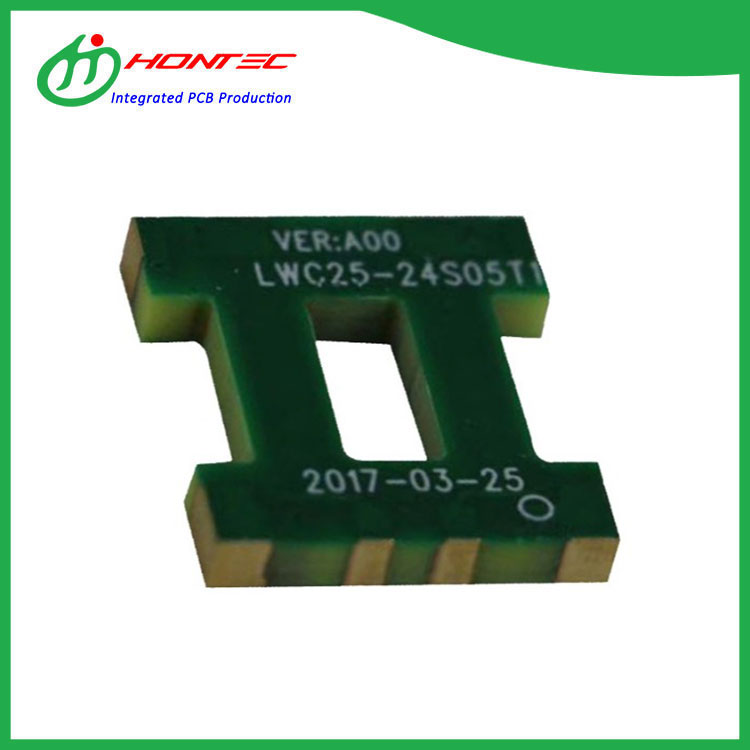
This article explains how Heavy Copper PCB solves these common engineering problems, why it is widely used in industries such as automotive electronics, renewable energy, industrial control systems, power supplies, and high-performance equipment. It also introduces key design considerations, manufacturing advantages, and how HONTEC provides reliable Heavy Copper PCB solutions for demanding applications.
Table of Contents
- 1. What Is Heavy Copper PCB?
- 2. What Problems Can Heavy Copper PCB Solve?
- 3. How Does Heavy Copper PCB Improve Electronic Performance?
- 4. Key Advantages of Heavy Copper PCB
- 5. Where Is Heavy Copper PCB Commonly Used?
- 6. Important Design Considerations for Heavy Copper PCB
- 7. Why Choose HONTEC for Heavy Copper PCB Solutions?
- 8. Frequently Asked Questions About Heavy Copper PCB
Article Outline
- Understanding the structure and function of Heavy Copper PCB
- Identifying common challenges in high-power electronic applications
- Exploring the performance improvements brought by heavy copper technology
- Analyzing industrial applications and manufacturing considerations
- Learning how HONTEC supports customized PCB requirements
What Is Heavy Copper PCB?
A Heavy Copper PCB is a printed circuit board manufactured with significantly thicker copper layers compared with standard PCBs. While conventional PCBs usually use copper thickness ranging from 1 oz to 3 oz, Heavy Copper PCB designs typically use copper thickness of 3 oz or above, and some specialized solutions can reach much higher copper weights.
The increased copper thickness allows the circuit board to handle higher electrical currents while improving heat dissipation performance. This makes Heavy Copper PCB especially suitable for applications where power reliability and durability are critical.
Unlike ordinary circuit boards that may require additional cooling components, Heavy Copper PCB can integrate power distribution and thermal management functions directly into the PCB structure. This helps engineers achieve more compact, efficient, and reliable electronic designs.
| PCB Type | Main Characteristics | Typical Applications |
|---|---|---|
| Standard PCB | Suitable for low and medium current circuits | Consumer electronics, general control systems |
| Heavy Copper PCB | High current capacity, excellent thermal performance | Power electronics, automotive, industrial equipment |
| Extreme Copper PCB | Ultra-high current handling capability | Advanced power systems and specialized equipment |
What Problems Can Heavy Copper PCB Solve?
Engineers designing high-power electronic products often encounter several challenges. These issues can affect product reliability, operating efficiency, and maintenance costs.
- Overheating Problems: High-current circuits generate significant heat. Without effective thermal management, components may experience performance degradation or failure.
- Limited Current Carrying Capacity: Thin copper layers may not support large amounts of current, causing voltage drops and potential circuit damage.
- Mechanical Reliability Issues: Electronic products exposed to vibration, temperature changes, or harsh environments require stronger PCB structures.
- Space Limitations: Modern devices demand smaller designs while maintaining higher power output.
Heavy Copper PCB addresses these issues by providing stronger conductive pathways, improved heat transfer capability, and enhanced structural strength.
How Does Heavy Copper PCB Improve Electronic Performance?
The main advantage of Heavy Copper PCB comes from its thicker copper layers. Copper has excellent electrical conductivity and thermal conductivity, allowing the PCB to efficiently manage both current flow and heat generation.
Improved Current Carrying Capability
When electrical current passes through a PCB trace, resistance generates heat. A thicker copper layer reduces resistance and allows the circuit to carry higher current loads safely.
This is especially important for power conversion systems, battery management systems, motor controllers, and industrial power equipment where stable current transmission is essential.
Enhanced Thermal Management
Heat is one of the biggest threats to electronic components. Heavy Copper PCB helps transfer heat away from critical areas more efficiently, reducing thermal stress on components.
By improving heat distribution, Heavy Copper PCB can increase product lifespan and reduce the need for additional cooling solutions.
Higher Mechanical Strength
The thicker copper structure improves PCB durability. This allows Heavy Copper PCB to perform reliably in applications exposed to vibration, temperature cycling, and demanding working conditions.
Key Advantages of Heavy Copper PCB
- High Current Performance: Supports demanding electrical loads with stable operation.
- Excellent Heat Dissipation: Helps prevent overheating and improves reliability.
- Compact Product Design: Reduces the need for extra cooling components.
- Long Service Life: Provides better resistance against electrical and environmental stress.
- Flexible Design Options: Supports complex multilayer and high-power PCB structures.
- Cost Efficiency: Reduces potential maintenance expenses caused by PCB failures.
Where Is Heavy Copper PCB Commonly Used?
Heavy Copper PCB is widely adopted across industries where electrical performance and reliability are essential.
| Industry | Application Examples |
|---|---|
| Automotive Electronics | Electric vehicle systems, battery management systems, charging equipment |
| Renewable Energy | Solar inverters, energy storage systems, power conversion equipment |
| Industrial Equipment | Motor drives, automation controllers, industrial power systems |
| Telecommunications | High-power communication equipment |
| Medical Electronics | Reliable medical devices requiring stable power performance |
Important Design Considerations for Heavy Copper PCB
Although Heavy Copper PCB offers excellent performance, proper design and manufacturing processes are necessary to achieve the best results.
- Copper Thickness Selection: Engineers should select suitable copper thickness according to current requirements and thermal conditions.
- Layer Structure Optimization: Multilayer designs should balance signal integrity, power distribution, and heat management.
- Manufacturing Capability: Heavy copper production requires advanced PCB manufacturing technology and precise process control.
- Component Compatibility: Component placement and soldering processes should consider the characteristics of thick copper structures.
Working with an experienced PCB manufacturer helps ensure that the final product meets electrical, mechanical, and reliability requirements.
Why Choose HONTEC for Heavy Copper PCB Solutions?
HONTEC focuses on providing professional PCB manufacturing solutions for customers requiring high-performance and reliable circuit boards. With advanced manufacturing capabilities and experience in complex PCB production, HONTEC supports customized Heavy Copper PCB requirements for different industries.
From product design support and material selection to manufacturing quality control, HONTEC works closely with customers to develop PCB solutions that match specific application requirements.
The company's Heavy Copper PCB solutions are designed to help customers overcome challenges related to high current operation, thermal management, and long-term reliability.
- Professional experience in advanced PCB manufacturing
- Capability for customized Heavy Copper PCB designs
- Strict quality management throughout production
- Support for various industrial applications
- Focus on reliable and stable PCB performance
Frequently Asked Questions About Heavy Copper PCB
What copper thickness is considered Heavy Copper PCB?
Generally, PCB copper thickness above 3 oz is considered Heavy Copper PCB. The exact thickness depends on application requirements, current capacity, and thermal performance needs.
Why is Heavy Copper PCB better for high-power applications?
Heavy Copper PCB provides lower electrical resistance, better heat dissipation, and stronger mechanical performance, making it suitable for high-power electronic systems.
Can Heavy Copper PCB be customized?
Yes. Heavy Copper PCB can be customized according to layer structure, copper thickness, material selection, and application requirements.
Is Heavy Copper PCB suitable for automotive electronics?
Yes. Due to its durability and high current capability, Heavy Copper PCB is widely used in automotive power systems, electric vehicles, and charging applications.
How does Heavy Copper PCB improve product reliability?
By reducing heat accumulation and supporting stable current transmission, Heavy Copper PCB helps electronic products achieve longer service life and improved operational stability.
Conclusion
Heavy Copper PCB provides an effective solution for modern electronic systems that require higher power density, improved thermal performance, and long-term reliability. Its ability to handle large currents, manage heat efficiently, and maintain structural strength makes it an important technology for advanced electronic applications.
As electronic products continue to become more powerful and compact, choosing the right PCB technology is essential. HONTEC delivers professional Heavy Copper PCB solutions designed to meet complex engineering challenges and support reliable product development. For customized PCB requirements and professional technical support, please contact us to discuss your project needs.