

How Does Control Cable Enhance Industrial Automation and Safety?
2026-03-03
Article Summary
Control cables are essential components in industrial automation, machinery, and electrical systems, responsible for transmitting control signals and power safely and efficiently. This comprehensive guide explores the structure, types, selection criteria, installation, and maintenance of control cables. It addresses common customer challenges such as signal interference, cable durability, environmental conditions, and cost efficiency. By understanding these factors, engineers and procurement teams can select the most reliable control cable solutions for their applications. DAYA electrical provides high-quality control cables designed for long-term stability and safety in demanding industrial environments.
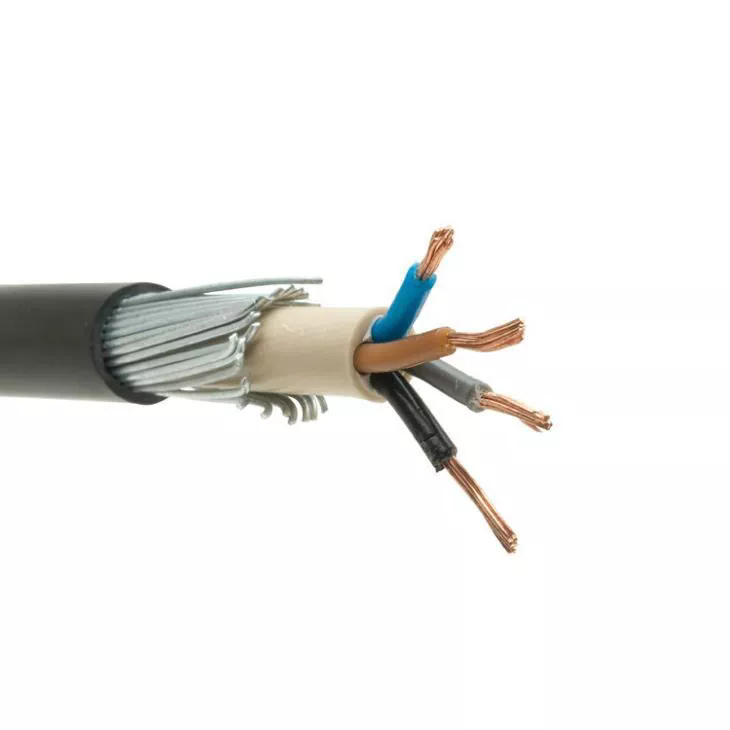
Table of Contents
- Control Cable Overview
- Common Customer Pain Points
- Main Types of Control Cable
- How to Choose the Right Control Cable
- Installation and Handling Best Practices
- Control Cable Comparison Table
- Quality Assurance and Performance Testing
- Application Scenarios
- Frequently Asked Questions
- Conclusion and Contact Us
Control Cable Overview
Control cables are multi-conductor cables designed to transmit signals, data, or power in industrial and electrical systems. Unlike standard power cables, control cables prioritize signal integrity, flexibility, and resistance to environmental stressors. They are commonly used in machinery, robotics, automation systems, process control panels, and instrumentation wiring.
High-quality control cables from DAYA electrical are engineered for durability, low electromagnetic interference, and consistent performance, even in high-temperature or harsh environments.
Common Customer Pain Points
When selecting and using control cables, customers often encounter recurring challenges that can affect system reliability and efficiency:
- Signal loss or interference due to poor shielding
- Insufficient flexibility for dynamic applications
- Premature insulation degradation in harsh environments
- Inaccurate cable length selection causing installation difficulties
- Compatibility issues with connectors or control panels
- High maintenance costs due to frequent replacements
Addressing these issues requires careful selection of cable type, construction, and installation techniques.
Main Types of Control Cable
Control cables vary in structure, insulation material, shielding, and application. Common types include:
- PVC Control Cable – Economical, flexible, suitable for indoor applications
- XLPE Control Cable – Cross-linked polyethylene insulation for high-temperature environments
- Flexible Control Cable – Multi-strand conductors for moving machinery or robotics
- Shielded Control Cable – Reduces electromagnetic interference for sensitive signal transmission
- Armored Control Cable – Provides mechanical protection for outdoor or heavy-duty applications
How to Choose the Right Control Cable
Choosing the correct control cable requires evaluating both technical and operational factors:
- Voltage rating and current carrying capacity
- Environmental conditions (temperature, humidity, chemical exposure)
- Mechanical stress and flexibility requirements
- Required signal integrity and shielding needs
- Compliance with safety and industrial standards
- Expected service life and maintenance schedule
DAYA electrical provides professional guidance to help customers match control cables with their specific industrial or commercial requirements.
Installation and Handling Best Practices
Proper installation of control cables ensures long-term performance and reduces operational risks. Key best practices include:
- Avoid sharp bends or kinks to prevent conductor damage
- Use appropriate cable trays, conduits, or supports
- Ensure proper grounding and shielding for EMI-sensitive environments
- Maintain adequate separation from power cables to prevent interference
- Follow manufacturer guidelines for minimum bending radius and pulling tension
Regular inspection and preventive maintenance further enhance system reliability and safety.
Control Cable Comparison Table
| Cable Type | Application | Key Features | Advantages |
|---|---|---|---|
| PVC Control Cable | Indoor wiring, panel connections | Flexible, low-cost insulation | Easy installation, economical |
| XLPE Control Cable | High-temp industrial environments | Heat-resistant, durable insulation | Long lifespan, reduced maintenance |
| Flexible Control Cable | Robotics, moving machinery | Multi-strand conductors | Excellent flexibility, dynamic application |
| Shielded Control Cable | Signal transmission, sensitive equipment | EMI protection, signal integrity | Reduced interference, reliable communication |
| Armored Control Cable | Outdoor or mechanical stress zones | Steel or aluminum armor | High mechanical protection, suitable for harsh conditions |
Quality Assurance and Performance Testing
To ensure long-term reliability, control cables undergo rigorous quality assurance tests, including:
- Electrical resistance and conductivity verification
- Insulation integrity and dielectric strength testing
- Mechanical stress and tensile strength evaluation
- Environmental exposure testing (heat, humidity, chemicals)
- EMI and signal integrity assessments for shielded cables
DAYA electrical implements stringent quality protocols to guarantee stable performance, safety, and compliance with industrial standards.
Application Scenarios
Control cables are widely used across multiple sectors to ensure reliable operation of automated systems:
- Industrial automation and robotics
- Process control and instrumentation systems
- Electrical control panels and switchgear
- Conveyor systems and material handling
- Renewable energy installations and power distribution
Frequently Asked Questions
What is the main difference between control cables and power cables?
Control cables are designed to transmit signals with minimal interference, whereas power cables primarily carry electrical current to supply energy.
Can control cables be used outdoors?
Yes, armored or specially insulated control cables are suitable for outdoor or harsh conditions.
How can I prevent signal interference in control cables?
Using shielded cables, proper grounding, and maintaining separation from high-power lines helps reduce electromagnetic interference.
Are flexible control cables necessary for moving machinery?
Yes, multi-strand flexible cables prevent conductor fatigue and ensure long-term reliability in dynamic applications.
Conclusion and Contact Us
Selecting and using the right control cable is crucial for safe, reliable, and efficient industrial operations. Understanding cable types, application environments, installation practices, and quality standards can prevent downtime, reduce maintenance costs, and enhance system performance.
DAYA electrical offers premium control cables engineered for durability, flexibility, and performance across diverse industrial applications. For customized solutions, technical support, or bulk orders, contact us today to discuss your project requirements and experience the reliability of DAYA electrical control cables.