

How Does Conformal Coating Protect Electronic Circuits?
2026-03-13
Article Summary
Electronic devices operate in increasingly demanding environments, including high humidity, chemical exposure, dust contamination, and temperature fluctuations. Without proper protection, printed circuit boards (PCBs) may experience corrosion, electrical leakage, or premature failure. Conformal coating is a protective polymer film applied to electronic assemblies to shield components and conductive paths from environmental hazards.
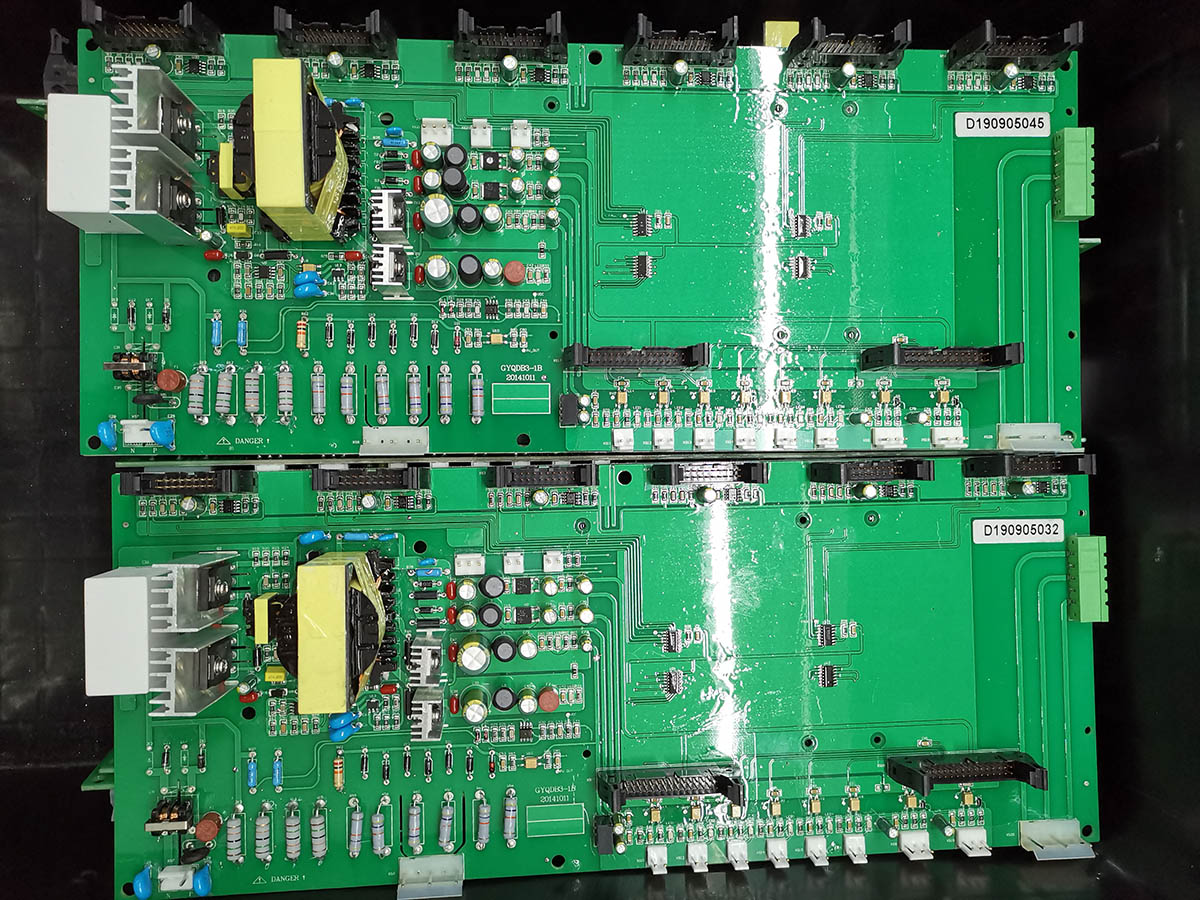
Table of Contents
- Understanding Conformal Coating
- Why Electronic Assemblies Require Protection
- How Conformal Coating Works
- Main Types of Conformal Coating Materials
- Typical Conformal Coating Application Process
- Product Parameters and Performance Indicators
- Industries That Rely on Conformal Coating
- Common Customer Pain Points and Solutions
- Frequently Asked Questions
- Conclusion
Understanding Conformal Coating
Conformal coating is a thin polymeric film applied to the surface of printed circuit boards and electronic components. The coating “conforms” closely to the contours of the board, covering solder joints, exposed traces, and component leads without significantly affecting the size or weight of the assembly.
The primary purpose of this protective layer is to isolate sensitive electronics from environmental factors that could cause malfunction or degradation. These protective films typically range from 25 to 250 microns in thickness, depending on the application requirements.
Unlike potting compounds or encapsulation materials that fully seal electronic assemblies, conformal coatings provide protection while allowing easy inspection and repair of the board when necessary.
Why Electronic Assemblies Require Protection
Electronic devices used in industrial, automotive, marine, and outdoor applications are frequently exposed to conditions that threaten circuit integrity. Without protective coatings, several issues can occur.
- Moisture penetration leading to corrosion
- Dust accumulation causing electrical bridging
- Chemical exposure damaging sensitive components
- Temperature cycling causing mechanical stress
- Salt fog in coastal environments accelerating oxidation
For manufacturers, these problems translate into product failures, costly warranty claims, and damaged brand reputation. Conformal coating acts as a defensive barrier that significantly reduces these risks.
How Conformal Coating Works
The protective performance of conformal coating relies on its ability to form an insulating barrier between environmental contaminants and the electronic circuitry.
Once applied and cured, the coating creates a transparent protective film that performs several functions simultaneously:
- Blocks moisture and condensation from reaching conductive surfaces
- Prevents corrosion of metal traces and solder joints
- Provides dielectric insulation to reduce electrical leakage
- Protects against chemical contaminants
- Improves mechanical durability under vibration
Because the coating follows the exact contours of the PCB, it protects even complex component geometries while maintaining circuit functionality.
Main Types of Conformal Coating Materials
Different environments require different coating chemistries. Manufacturers typically choose coating materials based on operating conditions, repair requirements, and production cost considerations.
| Coating Type | Key Characteristics | Typical Applications |
| Acrylic | Easy to apply and remove, good humidity protection | Consumer electronics and general electronics |
| Silicone | Excellent temperature resistance and flexibility | Automotive electronics and outdoor devices |
| Polyurethane | Strong chemical resistance and durability | Industrial equipment and harsh environments |
| Epoxy | Very hard and durable protective barrier | High-reliability electronics |
| Parylene | Ultra-thin vacuum deposited coating with excellent protection | Medical and aerospace electronics |
Selecting the appropriate material requires evaluating temperature ranges, chemical exposure, humidity levels, and mechanical stress conditions.
Typical Conformal Coating Application Process
A controlled coating process ensures consistent protection across the entire PCB assembly. While application methods vary between manufacturers, the general workflow includes several critical stages.
- PCB Cleaning to remove flux residues and contaminants
- Masking of connectors and components that must remain uncoated
- Coating application using spray, brush, dip, or automated selective coating equipment
- Curing process using air drying, heat, or UV curing systems
- Final inspection using ultraviolet light or automated optical inspection
Automated selective coating systems are increasingly used in modern electronics manufacturing because they deliver precise coating thickness and minimize material waste.
Product Parameters and Performance Indicators
When evaluating conformal coating solutions, engineers typically review several technical parameters to ensure compatibility with their electronic assemblies.
| Parameter | Description |
| Coating Thickness | Typically between 25µm and 250µm depending on the environment |
| Dielectric Strength | Ability to resist electrical breakdown under voltage |
| Operating Temperature Range | Temperature limits for reliable coating performance |
| Moisture Resistance | Level of protection against humidity and condensation |
| Chemical Resistance | Ability to withstand solvents, fuels, and industrial chemicals |
| Repairability | Ease of removing or reworking coated components |
By selecting coatings with appropriate specifications, manufacturers can extend the lifespan of electronic products even in challenging environments.
Industries That Rely on Conformal Coating
Conformal coating technology plays a crucial role in many modern industries where electronic reliability is essential.
- Automotive electronics and vehicle control systems
- Industrial automation equipment
- Telecommunications infrastructure
- Medical electronic devices
- Renewable energy systems
- Aerospace and defense electronics
As electronic components become smaller and more densely packed, environmental protection becomes even more critical. This makes conformal coating an essential step in advanced electronics manufacturing.
Common Customer Pain Points and Solutions
Many companies exploring conformal coating services encounter similar challenges during product development and production. Addressing these concerns early can significantly improve project outcomes.
- Uneven coating coverage causing partial protection
- Difficulty repairing coated PCBs
- Compatibility issues with connectors or switches
- Long curing times affecting production efficiency
- Uncertainty in selecting the correct coating material
Experienced manufacturers address these issues through automated coating equipment, optimized curing methods, and thorough engineering consultation during the design phase.
For example, professional electronics manufacturers such as Unixplore Electronics Co., Ltd. provide integrated PCB assembly and conformal coating services, ensuring the coating process aligns with the product's environmental requirements and production efficiency goals.
Frequently Asked Questions
What thickness is typically used for conformal coating?
Most coatings are applied between 25 and 100 microns for standard electronics, although harsher environments may require thicker coatings up to 250 microns.
Can conformal coating be removed for repair?
Yes. Certain coating types such as acrylic and silicone can be removed using specialized solvents or mechanical methods to allow component replacement or circuit modification.
Does conformal coating affect electrical performance?
When properly applied, conformal coating does not interfere with circuit operation. Instead, it improves insulation and helps prevent electrical leakage caused by moisture or contamination.
Is conformal coating necessary for indoor electronics?
While not always required, it is highly recommended for electronics exposed to humidity, dust, or industrial environments where reliability is critical.
Conclusion
Conformal coating provides an effective and economical solution for protecting printed circuit boards from environmental hazards such as moisture, chemicals, dust, and temperature fluctuations. By forming a thin yet durable protective barrier, the coating significantly improves the reliability and lifespan of electronic devices used across numerous industries.
Selecting the appropriate coating material and application method requires both technical expertise and a deep understanding of operating conditions. Reliable electronics manufacturers can assist companies in choosing the best coating solution and integrating it seamlessly into their production process.
Unixplore Electronics Co., Ltd. offers professional PCB assembly and conformal coating services designed to enhance electronic durability and product performance. If you are looking for reliable protection solutions for your electronic products, contact us today to discuss your project and discover how advanced coating technologies can support your manufacturing goals.