

How Does Bending And Flexing Affect FPC Performance And Lifespan
2026-02-10
In the world of compact and dynamic electronics, the FPC Flexible Printed Circuit Board PCB is a cornerstone of innovation. Its ability to bend and fold enables sleek designs from smartphones to medical devices. However, this critical strength also presents a key engineering challenge: how does repeated mechanical stress impact its reliability over time? At Akeson, we specialize in designing and manufacturing FPC Flexible Printed Circuit Board PCB solutions that are built not just to fit, but to endure. This blog delves into the science of flexing and its direct consequences on performance and longevity.
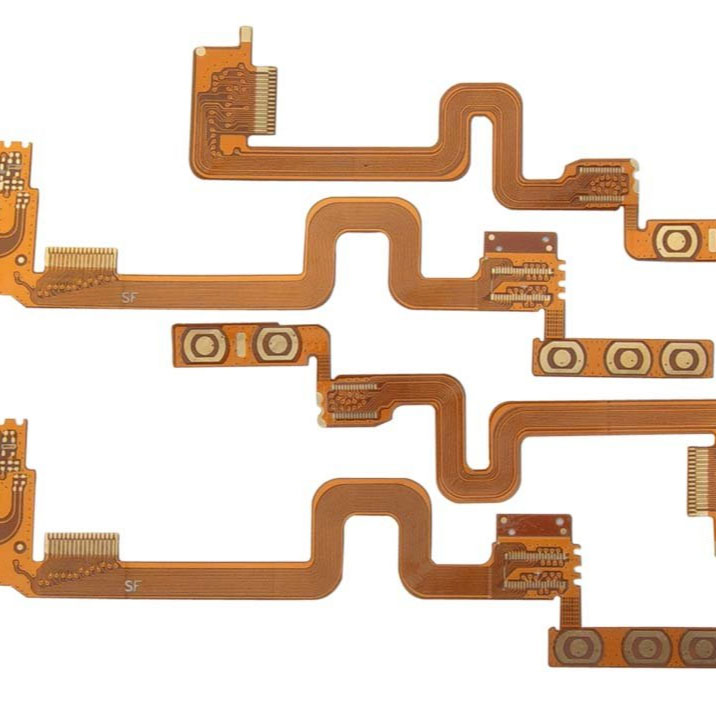
The Mechanics of Stress on FPCs
Every bend induces stress on the materials. Key factors influencing the impact include:
-
Bend Radius: This is the most critical factor. A tighter bend radius concentrates stress, increasing the risk of failure.
-
Cyclic Flexing: The number of bend cycles (dynamic flexing) is far more demanding than a one-time static fold.
-
Material Stack-up: The combination of the polyimide base, adhesive, copper traces, and coverlay determines overall flexibility.
| Flex Type | Typical Application | Primary Concern |
|---|---|---|
| Static Bend | Installed in a curved housing | Creep, copper work hardening |
| Dynamic Flex | Hinge in a laptop, robotic joint | Fatigue, conductor fracture |
| Rolling Flex | Printers, scanners | Delamination, insulation wear |
Common Failure Modes from Excessive Flexing:
-
Copper Trace Fatigue: Repeated stress can cause cracks in the copper conductive paths, leading to open circuits.
-
Delamination: Separation of the copper layer from the polyimide base or the coverlay, breaking electrical connections.
-
Adhesive Flow: In high-stress areas, adhesive can migrate, causing stiff spots and uneven stress distribution.
FPC Flexible Printed Circuit Board PCB FAQ
What is the difference between static and dynamic flex rating?
Static flex rating refers to an FPC Flexible Printed Circuit Board PCB that is designed to be bent once and installed in a fixed position. Dynamic flex rating, a core expertise at Akeson, applies to circuits that will undergo continuous bending during their operational life, requiring more robust materials and design strategies.
How can I increase the bend cycles of my FPC?
To maximize bend cycles, specify rolled annealed (RA) copper for its superior fatigue resistance over electro-deposited (ED) copper, use adhesive-less constructions to reduce stiff points, and design with staggered traces in the bend area to distribute stress evenly. Akeson engineers can simulate these factors for optimal results.
Are there industry standards for testing FPC flexibility?
Yes, key standards include IPC-6013 for qualification and performance, and IPC-TM-650 for test methods. These prescribe specific tests for fold endurance, which Akeson rigorously follows in our quality control process to validate product lifespan.
Ensuring Longevity with Intelligent Design
The lifespan of an FPC Flexible Printed Circuit Board PCB under flexure is not left to chance. It is a direct result of calculated design choices. By carefully modeling bend radii, selecting specialized materials like thin, high-ductility copper, and reinforcing critical areas with stiffeners only where needed, the negative effects of bending can be minimized. At Akeson, we employ advanced simulation tools to predict stress points before prototyping, ensuring our flexible circuits meet the most demanding lifecycle requirements.
Understanding these principles is essential for developing reliable next-generation devices. If you are looking for a partner to navigate the complexities of flexible circuit design and push the boundaries of performance and durability, Akeson has the expertise. Contact us today to discuss how our FPC Flexible Printed Circuit Board PCB solutions can bring reliability and innovation to your application.