

How Does Anti-rodent Cable Protect Critical Power and Communication Systems?
2026-03-11
Article Summary
Rodent damage is a hidden but serious threat to electrical and communication infrastructure. Traditional cables are highly vulnerable to gnawing from rats, squirrels, and other animals, leading to power interruptions, network failure, equipment damage, and expensive maintenance. Anti-rodent cable is specifically engineered to resist these risks through advanced materials, reinforced structures, and protective layers. This article explains how anti-rodent cable works, why it is necessary for modern infrastructure, what key features define high-quality solutions, and how to select the right cable for long-term reliability.
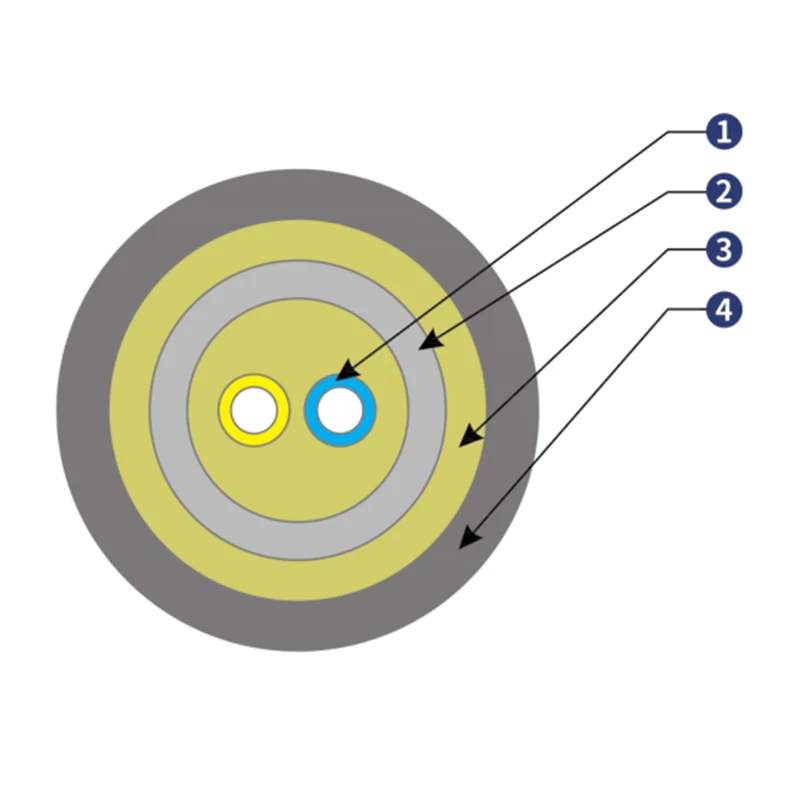
Table of Contents
- The Hidden Problem of Rodent Damage to Cables
- What Is Anti-rodent Cable?
- How Anti-rodent Cable Prevents Animal Damage
- Key Structural Components of Anti-rodent Cables
- Typical Applications Across Industries
- How to Choose the Right Anti-rodent Cable
- Frequently Asked Questions
The Hidden Problem of Rodent Damage to Cables
Rodents constantly gnaw in order to control the growth of their teeth. Unfortunately, cable insulation often becomes a target. Underground cables, outdoor wiring, and industrial installations are particularly vulnerable to rodent attacks. When insulation is damaged, conductors become exposed, increasing the risk of short circuits, signal loss, and system shutdowns.
The consequences can include:
- Unexpected power outages
- Communication system interruptions
- Costly equipment damage
- Fire hazards caused by short circuits
- High maintenance and replacement expenses
For industries such as telecommunications, transportation, energy distribution, and data infrastructure, cable failure can result in serious operational losses. This is why specialized anti-rodent cable technology has become increasingly important.
What Is Anti-rodent Cable?
Anti-rodent cable is a type of specially designed cable that incorporates protective materials and reinforced structures to prevent rodents from chewing through the insulation and damaging the internal conductors or fibers.
Unlike conventional cables, anti-rodent designs integrate mechanical barriers and chemical deterrents that significantly reduce the risk of animal attacks. These cables are widely used in environments where rodent activity is common, including underground installations, tunnels, warehouses, agricultural facilities, and urban infrastructure.
Manufacturers such as Jiangsu Xuben Photoelectric Technology Co., Ltd. develop anti-rodent cables using advanced material engineering to ensure both durability and stable signal transmission performance.
How Anti-rodent Cable Prevents Animal Damage
The effectiveness of anti-rodent cables lies in their multi-layer protective structure. Each layer plays a specific role in preventing rodent penetration and ensuring the internal cable core remains intact.
Below are the primary protection mechanisms:
- Mechanical Armor Protection – Metal or reinforced fiber layers create a hard barrier that rodents cannot easily chew through.
- Specialized Sheath Materials – Tough outer jackets increase abrasion resistance and reduce the likelihood of bite penetration.
- Chemical Deterrent Additives – Some cable sheaths contain harmless compounds that rodents dislike, discouraging chewing behavior.
- Dense Structural Design – Multiple protective layers increase cable thickness and mechanical strength.
- Impact and Pressure Resistance – Reinforced construction protects cables from both animal attacks and external physical damage.
By combining these protective strategies, anti-rodent cables significantly improve system reliability and reduce maintenance requirements.
Key Structural Components of Anti-rodent Cables
Although designs may vary depending on application, most anti-rodent cables contain several core structural elements.
| Component | Function |
|---|---|
| Outer Protective Jacket | Provides environmental resistance and the first defense against rodent bites. |
| Reinforced Armor Layer | Metal or high-strength fiber layer that prevents penetration by rodents. |
| Buffer Layer | Absorbs mechanical stress and protects internal components. |
| Core Conductors or Optical Fibers | Transmit electrical power or communication signals. |
| Inner Insulation | Ensures safe electrical performance and prevents signal interference. |
This layered structure ensures that even if the outer sheath is scratched or partially damaged, the internal components remain protected.
Typical Applications Across Industries
Anti-rodent cables are used in a wide range of industries where infrastructure reliability is critical and rodent activity is common.
Common application environments include:
- Underground power distribution networks
- Telecommunication and fiber optic networks
- Railway and metro communication systems
- Industrial manufacturing facilities
- Warehouses and logistics centers
- Agricultural and rural infrastructure
- Data centers and control systems
In these environments, rodent damage can lead to expensive downtime. Installing anti-rodent cable during initial construction helps prevent costly repairs later.
How to Choose the Right Anti-rodent Cable
Selecting the correct anti-rodent cable depends on several technical and environmental factors. Careful evaluation ensures long-term reliability and performance.
Key considerations include:
- Installation Environment – Underground, outdoor, or industrial environments may require different protective levels.
- Cable Type – Determine whether the application requires power cable, communication cable, or fiber optic cable.
- Armor Strength – Areas with severe rodent activity may require stronger armored protection.
- Environmental Resistance – Moisture, temperature fluctuations, and UV exposure should be considered.
- Installation Method – Direct burial, duct installation, or aerial deployment can affect cable selection.
Working with experienced manufacturers like Jiangsu Xuben Photoelectric Technology Co., Ltd. ensures that cable solutions are tailored to the exact operational requirements of each project.
Frequently Asked Questions
Q1: Are anti-rodent cables completely rodent-proof?
Anti-rodent cables are designed to significantly reduce the risk of rodent damage by using reinforced structures and protective materials. While no cable can guarantee absolute immunity, high-quality anti-rodent designs make chewing extremely difficult and greatly improve cable durability.
Q2: Where are anti-rodent cables most commonly installed?
They are widely used in underground communication networks, industrial facilities, transportation infrastructure, and outdoor installations where rodents are likely to be present.
Q3: Do anti-rodent cables affect signal or power transmission?
No. The protective layers are designed to enhance durability without interfering with electrical conductivity or optical signal transmission.
Q4: Are anti-rodent cables more expensive than regular cables?
The initial cost is typically higher due to the additional protective materials. However, the long-term savings from reduced maintenance, fewer outages, and longer service life often outweigh the initial investment.
Conclusion
Rodent damage remains one of the most underestimated causes of cable failure in modern infrastructure. From telecommunications to industrial power systems, protecting cables against animal attacks is essential for maintaining stable operations and preventing costly interruptions.
Anti-rodent cables provide an effective solution through reinforced construction, specialized materials, and advanced protective layers. These features ensure reliable performance even in environments with high rodent activity.
Jiangsu Xuben Photoelectric Technology Co., Ltd. focuses on developing high-quality cable solutions designed for demanding environments. If your project requires durable and reliable anti-rodent cable systems, choosing the right manufacturer and cable design is a crucial step toward long-term infrastructure protection.
For more information about advanced anti-rodent cable solutions and customized technical support, contact us today. Our team is ready to help you find the most reliable cable protection solution for your project.