

Article Summary
An IPC Module Board is the core computing component that determines the performance, reliability, and expandability of an industrial computer system. From factory automation and machine vision to medical equipment, transportation systems, and intelligent control terminals, selecting the right IPC Module Board directly affects system stability and long-term operation. This article explains how IPC Module Boards work, what factors engineers should consider during selection, and how reliable industrial computing solutions can help businesses reduce maintenance costs and improve operational efficiency.
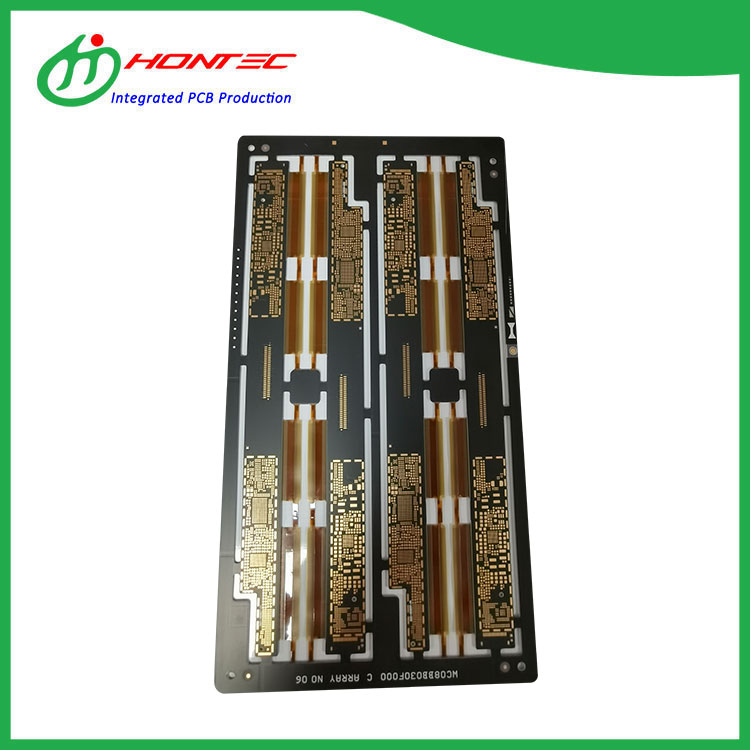
What Is an IPC Module Board and Why Does It Matter?
An IPC Module Board is a compact industrial computing platform designed to provide processing capability, connectivity, and expansion functions for industrial computer systems. Unlike standard consumer computer boards, industrial module boards are engineered for continuous operation in demanding environments where temperature variation, vibration, dust, and long service cycles are common.
In many industrial applications, the IPC Module Board acts as the "brain" of the equipment. It processes sensor data, controls connected devices, manages communication between systems, and supports real-time decision-making. A properly designed module board can improve system reliability while reducing downtime caused by hardware failures.
Modern industrial projects often require more than basic computing power. Engineers need stable performance, flexible interfaces, long-term availability, and compatibility with customized solutions. This makes IPC Module Boards an important choice for manufacturers developing automation equipment, smart devices, and embedded industrial systems.
| Feature | Industrial Value |
|---|---|
| High Reliability Design | Supports continuous operation in harsh industrial environments |
| Multiple Expansion Interfaces | Allows connection with sensors, cameras, storage devices, and control modules |
| Long-Term Availability | Helps maintain product consistency for industrial projects |
| Compact Structure | Provides flexible integration for space-limited equipment |
How Does an IPC Module Board Support Industrial Applications?
The role of an IPC Module Board extends far beyond basic computing. It provides a stable hardware foundation for industrial systems that require accurate data processing and reliable communication.
1. Industrial Automation Control
Automation equipment depends on fast and stable processing. IPC Module Boards help control robotic systems, production lines, motion controllers, and inspection equipment by handling real-time data from multiple devices.
2. Machine Vision Systems
Machine vision applications require strong processing capability for image acquisition and analysis. IPC Module Boards can integrate with industrial cameras and support efficient image processing workflows used in quality inspection, measurement, and automated manufacturing.
3. Medical and Healthcare Equipment
Medical devices require stable operation and dependable computing performance. Industrial-grade module boards provide reliable hardware support for diagnostic equipment, monitoring systems, and healthcare terminals.
4. Transportation and Smart Infrastructure
Transportation systems often operate in outdoor or challenging environments. IPC Module Boards provide durable computing solutions for intelligent terminals, vehicle systems, and monitoring equipment where long operating cycles are required.
Typical Applications
- Industrial automation equipment
- Machine vision inspection systems
- Embedded control terminals
- Smart manufacturing platforms
- Medical electronic devices
- Transportation monitoring systems
- Energy management equipment
Key Factors to Consider When Selecting an IPC Module Board
Choosing an IPC Module Board requires careful evaluation of application requirements. A suitable board should match the operating environment, processing needs, and future expansion plans of the equipment.
Processing Performance
The processor determines how efficiently the system handles workloads. Applications involving image processing, artificial intelligence, or large amounts of industrial data usually require stronger computing capability.
Interface Compatibility
Industrial systems often connect with various external devices. Before selecting a module board, engineers should evaluate available interfaces such as USB, LAN, COM ports, display outputs, storage connections, and expansion slots.
Environmental Reliability
Industrial equipment may operate under vibration, high temperature, humidity, or dust exposure. The IPC Module Board should be designed with reliable components and suitable protection features to maintain stable performance.
Customization Capability
Different industries have different requirements. A flexible IPC Module Board solution allows manufacturers to customize hardware configurations, interfaces, and system integration according to specific project needs.
| Selection Factor | Questions to Evaluate |
|---|---|
| CPU Performance | Can the board handle required computing tasks? |
| Interface Options | Does it support required industrial connections? |
| Operating Environment | Can it work reliably under actual conditions? |
| Future Expansion | Can the system be upgraded later? |
How Industrial Requirements Influence IPC Module Board Design
Industrial computing systems are different from ordinary computers because they must meet strict operational requirements. The design of an IPC Module Board focuses on balancing performance, durability, and flexibility.
Many industrial customers need products that can remain available for several years without frequent redesign. Stable supply chains, consistent component selection, and professional engineering support are important factors in industrial projects.
Thinkcore Technology Co., Ltd. focuses on developing reliable industrial computing solutions that support different embedded and industrial applications. Through professional hardware design and manufacturing experience, the company provides IPC Module Board solutions designed for stable operation and flexible integration.
Important Design Considerations
- Reliable industrial-grade components
- Efficient thermal management design
- Stable communication capability
- Flexible customization options
- Compatibility with various industrial systems
Common Challenges in IPC Module Board Deployment
Although IPC Module Boards provide powerful industrial computing capability, improper selection or integration may create unexpected problems.
Insufficient Performance Planning
Some projects select hardware based only on current requirements without considering future upgrades. As system functions expand, insufficient processing capability may limit performance.
Poor Interface Matching
Industrial equipment often includes multiple connected devices. Missing interfaces or incompatible communication standards can increase development time and integration costs.
Ignoring Long-Term Stability
Industrial products usually operate for years. Hardware instability can result in frequent maintenance, production interruptions, and higher operating costs.
Lack of Technical Support
Professional technical support helps customers solve integration challenges and improve product development efficiency.
Why Reliable Manufacturing Matters for IPC Module Boards
The quality of an IPC Module Board depends not only on individual components but also on design experience, manufacturing control, and testing procedures.
For industrial customers, a supplier should understand application requirements and provide solutions that balance performance, reliability, and cost efficiency.
Thinkcore Technology Co., Ltd. works with customers to develop industrial computing products suitable for various application scenarios. The company focuses on providing dependable hardware platforms that help businesses build efficient and stable intelligent systems.
Benefits of Working With an Experienced IPC Partner
- Professional industrial computing knowledge
- Flexible product customization support
- Reliable hardware integration experience
- Consistent product quality management
- Support for different industrial applications
Frequently Asked Questions About IPC Module Boards
Q1: What is the main function of an IPC Module Board?
An IPC Module Board provides computing, communication, and expansion capabilities for industrial computer systems. It processes data and connects different industrial devices to support automated operations.
Q2: How is an IPC Module Board different from a standard computer board?
Industrial module boards are designed for longer operating periods, wider environmental conditions, and stronger reliability requirements compared with consumer computer hardware.
Q3: Can an IPC Module Board be customized?
Yes. Many industrial projects require customized interfaces, performance configurations, or mechanical designs to meet specific equipment requirements.
Q4: What industries use IPC Module Boards?
IPC Module Boards are widely used in automation, machine vision, medical equipment, transportation systems, smart manufacturing, and embedded industrial devices.
Q5: How can I choose the right IPC Module Board supplier?
Consider factors including technical experience, product reliability, customization capability, manufacturing quality, and after-sales support.
Build Your Reliable Industrial Computing Solution
Choosing the right IPC Module Board can improve system stability, simplify integration, and support long-term industrial development. Thinkcore Technology Co., Ltd. provides professional industrial computing solutions designed for different application requirements.
If you are looking for a dependable IPC Module Board supplier or need customized industrial hardware support, please contact us today to discuss your project requirements.