

How Does an H-Frame Press Enhance Manufacturing Efficiency?
2026-02-27
Article Summary
H-frame presses are critical machinery in metal forming, assembly, and fabrication industries. They provide high force precision, reliability, and flexibility for a wide range of manufacturing applications. This comprehensive guide explores the working principles of H-frame presses, key features, operational benefits, and considerations for selecting the right press. It also addresses common challenges operators face and how professional solutions from Digor can improve production efficiency, reduce downtime, and ensure safety in industrial operations.
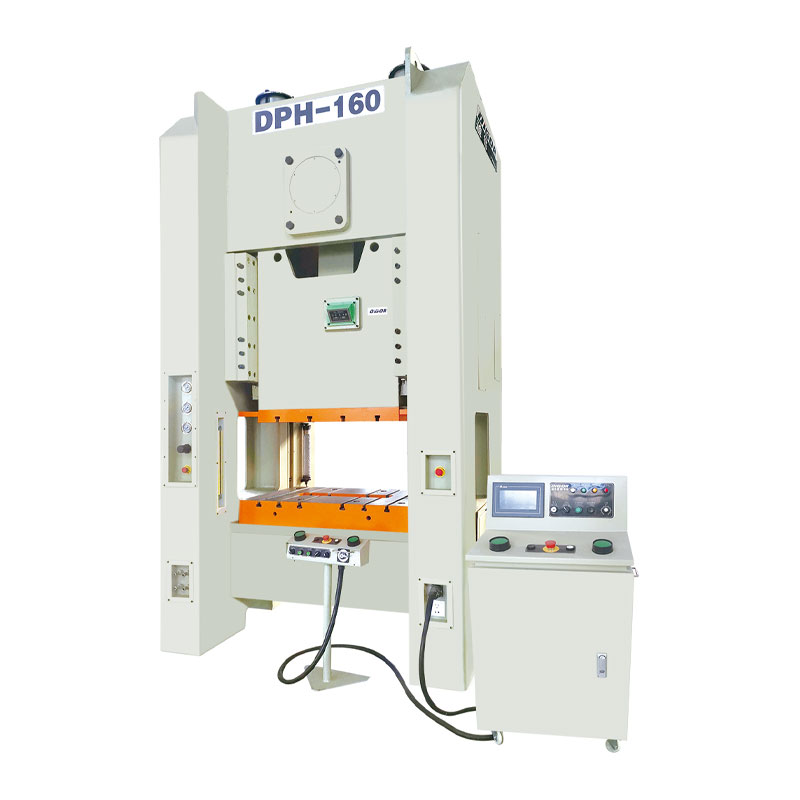
Table of Contents
- H-Frame Press Overview
- Common Manufacturing Pain Points
- Structure and Working Principles
- Types of H-Frame Presses
- How to Select the Right H-Frame Press
- H-Frame Press Comparison Table
- Maintenance and Safety Guidelines
- Application Scenarios
- Frequently Asked Questions
- Conclusion and Contact Us
H-Frame Press Overview
H-frame presses, also known as C-frame presses in some contexts, are mechanical or hydraulic machines designed to deliver controlled force for forming, punching, bending, and assembling metal components. Their robust frame design provides excellent rigidity, minimizing deflection under high load and ensuring precise operation.
Modern H-frame presses are available with advanced hydraulic control, adjustable stroke, and digital monitoring systems. Digor develops H-frame press solutions that emphasize durability, force accuracy, and operational flexibility to meet industrial production demands.
Common Manufacturing Pain Points
Operators and manufacturing managers often face challenges when using presses that can affect efficiency and product quality. Common pain points include:
- Uneven pressure distribution leading to inconsistent part quality
- Excessive machine downtime due to maintenance issues
- Difficulty handling large or complex workpieces
- Limited adjustment flexibility for diverse production tasks
- Safety concerns during high-force operations
Addressing these issues through proper machine selection, maintenance, and operator training is crucial for achieving high productivity.
Structure and Working Principles
The H-frame press is characterized by a rigid, rectangular frame resembling the letter "H," with two vertical columns supporting a horizontal beam. This structure allows uniform force transmission and minimal frame distortion.
- Frame: Provides rigidity and stability
- Ram or Platen: Moves vertically to apply pressure
- Hydraulic or Mechanical Drive: Powers the ram for forming operations
- Control System: Enables precise force, speed, and stroke adjustments
During operation, the workpiece is placed on the lower die, and the ram applies pressure according to the desired operation, such as bending, punching, or stamping.
Types of H-Frame Presses
Different manufacturing requirements necessitate different H-frame press types. These include:
- Mechanical H-Frame Press: High-speed stamping, consistent force for repetitive operations
- Hydraulic H-Frame Press: Adjustable force, suitable for forming, bending, and assembly tasks
- Servo-Hydraulic Press: Combines precision control with energy efficiency
- Manual H-Frame Press: Small-scale operations, lower force requirements
How to Select the Right H-Frame Press
Selecting the appropriate H-frame press requires careful evaluation of production needs, material specifications, and operational constraints.
- Maximum required force and tonnage
- Workpiece size and material thickness
- Stroke length and ram speed requirements
- Flexibility for multiple operations
- Automation and control features
- Manufacturer support and reliability (e.g., Digor’s technical assistance and service network)
H-Frame Press Comparison Table
| Type | Force Range | Applications | Advantages |
|---|---|---|---|
| Mechanical H-Frame | 50-500 tons | High-speed stamping, punching | Consistent repetitive force, fast cycle times |
| Hydraulic H-Frame | 10-1000 tons | Bending, forming, assembly | Adjustable pressure, versatile |
| Servo-Hydraulic Press | 50-800 tons | Precision forming, energy-efficient operations | High precision, programmable cycles |
| Manual H-Frame | 1-10 tons | Small workshops, prototyping | Low cost, simple operation |
Maintenance and Safety Guidelines
Regular maintenance and proper safety measures are essential for maximizing H-frame press lifespan and operator safety.
- Lubrication of moving components
- Inspection of hydraulic systems for leaks
- Regular alignment checks
- Operator training on load limits and emergency stops
- Implementation of protective guards and sensors
Digor provides service manuals, training, and technical support to ensure safe and reliable press operations.
Application Scenarios
H-frame presses are versatile and used across multiple manufacturing sectors.
- Automotive part forming
- Metal stamping and cutting
- Assembly of mechanical components
- Prototyping and small-scale manufacturing
- Industrial fabrication requiring high force and precision
Frequently Asked Questions
What materials can an H-frame press handle?
Most presses can handle metals like steel, aluminum, and copper, as well as plastics, depending on the press tonnage and tooling configuration.
How is tonnage determined for a specific application?
Tonnage requirements depend on material thickness, width, and type of forming operation. Manufacturers like Digor provide guidance on optimal force selection.
Can one press perform multiple types of operations?
Yes, hydraulic and servo-hydraulic H-frame presses are versatile and can handle bending, punching, forming, and assembly tasks with proper tooling.
What is the typical lifespan of an H-frame press?
With proper maintenance and usage, H-frame presses can last decades, with parts replacements and service extending operational reliability.
Conclusion and Contact Us
H-frame presses are indispensable in modern manufacturing, offering precision, power, and versatility for a wide range of industrial operations. Understanding the types, operational factors, and maintenance requirements is essential to optimize production efficiency and ensure workplace safety.
Digor provides high-quality H-frame press solutions designed for industrial reliability, performance, and flexibility. If you are looking to upgrade your production line or need guidance on selecting the right press, contact us today to explore how Digor can support your manufacturing goals.