

How Does an Engine Control Module PCB Improve Vehicle Performance and Reliability?
2026-08-19
Article Summary:
The Engine Control Module PCB is a critical electronic component that determines how modern vehicles monitor, analyze, and control engine operations. As vehicles become increasingly intelligent, the demand for high-performance, stable, and durable PCB solutions continues to grow. This article explains how Engine Control Module PCB technology works, why it matters, what challenges vehicle manufacturers face, and how professional PCB manufacturers such as Shenzhen Aisen Electronics Co., Ltd. provide reliable solutions for automotive applications.
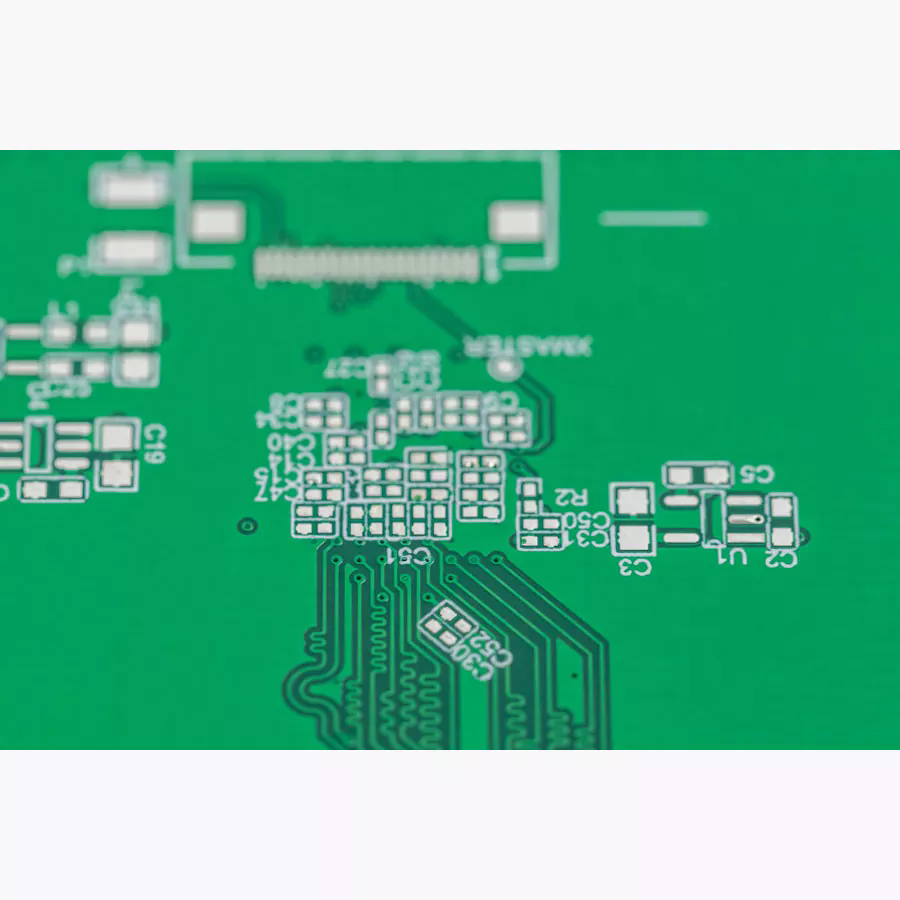
Table of Contents
- What Is an Engine Control Module PCB?
- Why Is an Engine Control Module PCB Important for Modern Vehicles?
- How Does an Engine Control Module PCB Work?
- What Challenges Do Manufacturers Face When Developing Engine Control Module PCBs?
- Key Features of a Reliable Engine Control Module PCB
- How to Choose the Right Engine Control Module PCB Supplier?
- Applications of Engine Control Module PCB Technology
- Frequently Asked Questions About Engine Control Module PCB
What Is an Engine Control Module PCB?
An Engine Control Module PCB is the electronic foundation inside an Engine Control Module (ECM), which serves as the central control unit for vehicle engine management systems. The PCB connects microprocessors, sensors, communication circuits, power components, and control interfaces to ensure accurate engine operation.
Unlike ordinary circuit boards used in consumer electronics, automotive Engine Control Module PCBs must operate under extremely demanding conditions. They are exposed to temperature changes, vibration, humidity, electrical interference, and long operating cycles. Therefore, these PCBs require advanced design methods, high-quality materials, and strict manufacturing processes.
A well-designed Engine Control Module PCB enables the vehicle system to collect real-time information from various sensors, process complex data, and send precise commands to components such as fuel injectors, ignition systems, throttle controls, and emission management devices.
With the rapid development of electric vehicles, intelligent transportation systems, and advanced driver assistance technologies, automotive electronic systems are becoming more complex. This makes reliable PCB design more important than ever.
Why Is an Engine Control Module PCB Important for Modern Vehicles?
Modern engines depend heavily on electronic control systems. Mechanical adjustments alone cannot achieve the fuel efficiency, emission standards, and driving performance expected by today’s automotive industry. The Engine Control Module PCB provides the hardware platform that allows intelligent control algorithms to function effectively.
| Function | Role of Engine Control Module PCB |
|---|---|
| Engine Monitoring | Receives signals from sensors and provides real-time engine condition analysis. |
| Fuel Management | Controls fuel injection timing and quantity to improve efficiency. |
| Emission Control | Supports accurate regulation of exhaust-related systems. |
| Performance Optimization | Adjusts engine parameters for smoother operation and better response. |
| Communication | Allows interaction between the ECM and other vehicle electronic systems. |
For vehicle manufacturers, selecting a dependable Engine Control Module PCB supplier directly influences product quality, customer satisfaction, and long-term reliability. A failure in the PCB may lead to engine performance problems, warning signals, or complete system shutdown.
How Does an Engine Control Module PCB Work?
The operation process of an Engine Control Module PCB involves multiple stages, from signal collection to command execution. Every circuit element works together to ensure the engine receives accurate instructions.
- Signal Collection: Sensors throughout the vehicle detect information such as engine temperature, air pressure, speed, oxygen levels, and fuel conditions.
- Data Processing: The microcontroller installed on the PCB analyzes sensor information according to programmed control strategies.
- Decision Making: The system calculates the most suitable engine adjustments based on driving conditions.
- Signal Output: The PCB sends control signals to actuators and engine components.
- Continuous Adjustment: The system constantly monitors changes and modifies parameters for optimal performance.
The accuracy of this entire process depends on PCB design quality. Issues such as unstable connections, poor thermal management, or electromagnetic interference can affect the reliability of engine control functions.
Professional manufacturers like Shenzhen Aisen Electronics Co., Ltd. focus on advanced PCB technologies that support stable signal transmission, efficient power management, and long-term durability for automotive electronic applications.
What Challenges Do Manufacturers Face When Developing Engine Control Module PCBs?
Developing an Engine Control Module PCB requires solving several technical challenges. Automotive environments create higher requirements compared with many other electronic applications.
| Challenge | Potential Impact | Required Solution |
|---|---|---|
| Extreme Temperature Conditions | Component aging and reduced reliability. | Use temperature-resistant materials and optimized thermal designs. |
| Strong Vibration | Loose connections and mechanical damage. | Improve structural strength and manufacturing precision. |
| Electrical Noise | Signal distortion and communication errors. | Apply effective electromagnetic compatibility designs. |
| Limited Installation Space | Difficult PCB layout and component placement. | Use compact and efficient circuit designs. |
| Long Service Requirements | Premature failure during vehicle operation. | Select reliable components and strict quality control. |
Automotive PCB production requires more than standard circuit board manufacturing knowledge. Engineers must consider mechanical stability, environmental protection, electrical performance, and future upgrade requirements during the design stage.
Key Features of a Reliable Engine Control Module PCB
A high-quality Engine Control Module PCB must combine electrical performance, mechanical durability, and environmental resistance. Automotive manufacturers and system developers need PCB solutions that can maintain stable operation throughout the entire vehicle lifecycle.
When evaluating an Engine Control Module PCB, several important characteristics should be considered:
| Feature | Description | Benefits |
|---|---|---|
| High Reliability Design | Uses durable materials and precise manufacturing techniques to ensure stable operation. | Reduces failure risks and improves vehicle reliability. |
| Excellent Thermal Management | Supports heat dissipation in high-temperature engine environments. | Prevents overheating and extends component lifespan. |
| Strong Vibration Resistance | Designed to withstand continuous mechanical stress. | Maintains stable connections during vehicle operation. |
| Advanced Signal Integrity | Optimized circuit layout minimizes interference and signal loss. | Improves control accuracy and system response speed. |
| Compact Structure | Supports complex electronic functions within limited installation space. | Allows flexible integration into modern vehicles. |
The quality of an Engine Control Module PCB depends not only on the circuit design but also on manufacturing capabilities. Advanced inspection methods, automated production equipment, and strict process management help ensure consistent performance.
Shenzhen Aisen Electronics Co., Ltd. provides professional PCB manufacturing solutions designed to meet the demanding requirements of automotive electronic applications. By focusing on precision production and reliable quality control, the company helps customers develop stable electronic control systems.
How to Choose the Right Engine Control Module PCB Supplier?
Choosing a suitable Engine Control Module PCB supplier is an important decision for automotive companies. The supplier must have technical experience, production capabilities, and a strong understanding of automotive requirements.
Before selecting a supplier, companies should evaluate the following factors:
- Automotive PCB Experience: A supplier with experience in vehicle electronics understands the special requirements of engine control systems.
- Manufacturing Capability: Advanced production equipment and professional engineering teams ensure better product consistency.
- Quality Management: Strict inspection procedures reduce defects and improve product reliability.
- Customization Ability: Different vehicle platforms require different PCB structures, sizes, and electrical specifications.
- Technical Support: Professional communication and engineering assistance help solve design challenges efficiently.
| Evaluation Factor | Questions to Consider |
|---|---|
| Design Capability | Can the supplier provide customized PCB solutions according to application requirements? |
| Production Capacity | Can the supplier support stable large-scale manufacturing? |
| Testing Process | Does the supplier perform electrical, environmental, and reliability testing? |
| Industry Knowledge | Does the supplier understand automotive electronic challenges? |
A reliable supplier does not simply manufacture circuit boards. Instead, they work closely with customers to optimize design performance, improve manufacturing efficiency, and create long-term value.
Applications of Engine Control Module PCB Technology
Engine Control Module PCB technology is widely used in different types of vehicles and transportation systems. As electronic control becomes more important, the application range continues to expand.
| Application Area | Usage Description |
|---|---|
| Passenger Vehicles | Supports engine management, fuel control, and driving performance optimization. |
| Commercial Vehicles | Provides reliable control solutions for trucks, buses, and fleet vehicles. |
| Electric and Hybrid Vehicles | Works with advanced vehicle control systems and energy management technologies. |
| Special Vehicles | Supports demanding environments requiring strong durability and stability. |
As automotive systems continue moving toward intelligence and automation, Engine Control Module PCB solutions must support higher processing speeds, stronger communication capabilities, and improved reliability.
What Are the Advantages of Working with a Professional Engine Control Module PCB Manufacturer?
Professional PCB manufacturers provide more than production services. They help customers overcome engineering difficulties and achieve better product performance through optimized design and manufacturing processes.
The main advantages include:
- Customized Engineering Solutions: Different vehicles have different requirements. Professional manufacturers can adjust PCB structures, materials, and layouts according to specific applications.
- Improved Product Reliability: Experienced manufacturers understand potential failure points and apply appropriate solutions during development.
- Better Production Efficiency: Mature manufacturing processes help reduce production delays and maintain consistent quality.
- Technical Collaboration: Close cooperation between engineers and customers helps transform concepts into practical products.
- Long-Term Support: Continuous technical assistance helps customers handle future upgrades and market changes.
For automotive electronics, reliability is not optional. A stable Engine Control Module PCB directly affects vehicle operation, safety, and user experience. Therefore, cooperation with an experienced manufacturer is essential for achieving successful product development.
Future Development Trends of Engine Control Module PCB
The automotive industry is undergoing rapid transformation. Intelligent vehicles, connected systems, and electrification are creating new opportunities and challenges for Engine Control Module PCB development.
Future trends include:
- Higher Integration: More functions will be integrated into smaller PCB designs to save space and improve efficiency.
- Enhanced Computing Capability: Advanced processors will require PCBs with better signal management and power handling performance.
- Improved Environmental Protection: Automotive PCBs will need stronger resistance against moisture, heat, and chemical exposure.
- Greater Reliability Requirements: As vehicles become more dependent on electronics, PCB failure prevention will become increasingly important.
Manufacturers that continuously improve technology and production capabilities will play an important role in supporting the next generation of automotive innovation.
Frequently Asked Questions About Engine Control Module PCB
Q1: What is the main function of an Engine Control Module PCB?
An Engine Control Module PCB provides the electronic foundation for engine control systems. It processes sensor information and controls important engine functions such as fuel injection, ignition timing, and emission management.
Q2: Why does an Engine Control Module PCB require high reliability?
Because it operates in harsh automotive environments with temperature changes, vibration, electrical interference, and long service periods. Reliable design helps prevent system failures.
Q3: Can Engine Control Module PCBs be customized?
Yes. PCB designs can be customized according to vehicle models, electronic system requirements, size limitations, and performance specifications.
Q4: What materials are commonly used for automotive Engine Control Module PCBs?
Automotive PCBs often use high-performance materials that provide excellent thermal stability, mechanical strength, and electrical reliability.
Q5: How can manufacturers improve Engine Control Module PCB reliability?
Manufacturers can improve reliability through optimized circuit design, strict component selection, advanced testing methods, and accurate production processes.
Conclusion: How Does an Engine Control Module PCB Support the Future of Automotive Technology?
The Engine Control Module PCB has become one of the most important electronic foundations in modern vehicles. From monitoring engine conditions to controlling complex operating processes, it ensures that automotive systems can achieve higher efficiency, improved performance, and better reliability.
As vehicles continue to evolve toward intelligence, electrification, and connectivity, the requirements for automotive electronic components will continue to increase. Engine control systems will need faster processing, stronger communication capabilities, better environmental resistance, and more compact designs. A dependable Engine Control Module PCB is essential for meeting these future demands.
For manufacturers and developers, selecting the right PCB partner can significantly influence product success. A professional supplier with advanced technology, strict manufacturing standards, and automotive industry experience can help reduce development risks and create more reliable electronic solutions.
Shenzhen Aisen Electronics Co., Ltd. focuses on providing high-quality PCB solutions that support modern electronic applications. Through professional manufacturing capabilities, precise production processes, and customer-oriented services, the company helps businesses develop reliable Engine Control Module PCB products that meet demanding application requirements.
Whether you need a customized PCB design, automotive electronic manufacturing support, or a stable long-term production partner, choosing an experienced supplier can help improve product performance and market competitiveness.
Why Partner with Shenzhen Aisen Electronics Co., Ltd. for Engine Control Module PCB Solutions?
Developing automotive electronic products requires careful attention to every detail, from circuit design and material selection to manufacturing accuracy and final testing. Shenzhen Aisen Electronics Co., Ltd. understands the challenges faced by customers in automotive electronics and provides professional support throughout the product development process.
The company helps customers achieve better results through:
- Advanced PCB manufacturing technologies suitable for complex electronic applications.
- Professional engineering support for customized Engine Control Module PCB requirements.
- Strict quality inspection procedures to improve product consistency and reliability.
- Flexible production capabilities for different project requirements.
- Continuous improvement to meet changing automotive technology demands.
A reliable Engine Control Module PCB is not only a circuit board but also a key component that influences vehicle performance, safety, and user experience. By cooperating with an experienced PCB manufacturer, companies can build stronger and more competitive automotive electronic products.
Looking for a Reliable Engine Control Module PCB Partner?
If you are searching for a professional manufacturer that can provide dependable Engine Control Module PCB solutions with customized support and stable quality, Shenzhen Aisen Electronics Co., Ltd. is ready to assist your project requirements. Please contact us to discuss your automotive PCB needs and discover a suitable solution for your application.