

How Does an Energy Meter Improve Power Monitoring and Reduce Energy Costs?
2026-04-14
Abstract:
An energy meter is an essential device for measuring electricity consumption, identifying inefficiencies, and improving power management across residential, commercial, and industrial environments. By delivering accurate real-time data, energy meters help users reduce waste, lower operational expenses, and maintain safer electrical systems. This article explains how energy meters work, why they matter, and how choosing the right model from trusted manufacturers like Geyue Electric can solve common energy monitoring challenges.
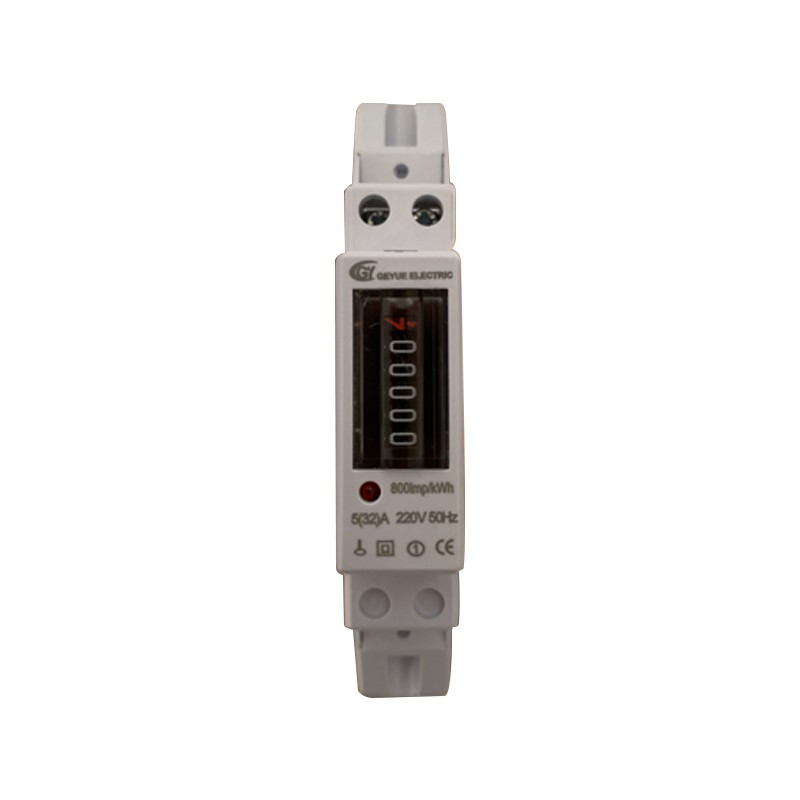
Table of Contents
- What Is an Energy Meter?
- How Does an Energy Meter Work?
- Why Accurate Energy Monitoring Matters
- Common Problems Solved by Energy Meters
- Types of Energy Meters
- Key Features to Consider Before Buying
- Applications Across Different Industries
- How Geyue Electric Energy Meters Add Value
- Installation and Maintenance Tips
- Frequently Asked Questions
- Conclusion
What Is an Energy Meter?
An energy meter is an electrical measuring instrument used to track power consumption over time. It records electricity usage in kilowatt-hours (kWh), enabling users to understand exactly how much energy is being consumed by a building, machine, or system.
Whether installed in homes, factories, office buildings, or renewable energy systems, energy meters provide the visibility needed to manage electricity usage efficiently.
How Does an Energy Meter Work?
Energy meters measure voltage and current flowing through a circuit and calculate total consumed energy. Modern digital energy meters use microprocessor-based technology to ensure precise readings and advanced monitoring functions.
- Measures voltage and current continuously
- Calculates real-time power consumption
- Stores historical usage data
- Displays readings digitally for easy analysis
- Can transmit data remotely in smart systems
Unlike traditional analog meters, modern smart energy meters provide far more actionable insights, allowing facility managers and homeowners to make informed decisions immediately.
Why Accurate Energy Monitoring Matters
Many businesses lose money every month due to invisible energy waste. Without accurate monitoring, identifying abnormal consumption patterns becomes nearly impossible.
An advanced energy meter helps solve these problems by:
- Detecting excessive power usage early
- Preventing billing inaccuracies
- Supporting cost allocation across departments
- Improving equipment efficiency
- Reducing unexpected downtime
| Without Energy Meter | With Energy Meter |
|---|---|
| Unknown electricity waste | Precise energy tracking |
| Higher monthly utility costs | Reduced unnecessary consumption |
| Difficult fault detection | Faster issue identification |
| Limited operational insight | Real-time consumption visibility |
Common Problems Solved by Energy Meters
Customers often face recurring energy management pain points that directly impact cost and efficiency:
1. Unexpected High Electricity Bills
Energy meters reveal hidden consumption spikes and help identify which systems are driving up costs.
2. Inability to Track Department-Level Usage
Sub-metering allows organizations to allocate energy expenses accurately among departments or tenants.
3. Equipment Overload Risks
Monitoring current loads prevents circuit overloads and reduces fire hazards.
4. Lack of Real-Time Data
Modern digital meters provide instant readings, enabling faster response to abnormalities.
Types of Energy Meters
Selecting the right energy meter depends on your application requirements.
| Type | Best For | Main Advantage |
|---|---|---|
| Single-Phase Meter | Residential Use | Simple and economical |
| Three-Phase Meter | Industrial Facilities | Handles large power loads |
| Smart Meter | Remote Monitoring Systems | Real-time communication |
| Prepaid Meter | Rental Properties | Payment control convenience |
| DIN Rail Meter | Compact Panels | Easy installation |
Key Features to Consider Before Buying
- Measurement accuracy class
- Display readability
- Remote communication support
- Voltage compatibility range
- Overload protection capability
- Long-term reliability
- Certification compliance
Choosing a low-quality meter may lead to inaccurate readings, maintenance issues, and long-term operational losses.
Applications Across Different Industries
Energy meters are used in a wide range of sectors:
- Manufacturing plants
- Commercial office buildings
- Residential complexes
- Solar power systems
- Hospitals and laboratories
- Data centers
- Shopping malls
Each sector benefits from improved energy visibility and stronger consumption control.
How Geyue Electric Energy Meters Add Value
Geyue Electric provides dependable energy meter solutions engineered for precision, durability, and intelligent power management. Designed for demanding environments, Geyue Electric products combine advanced metering technology with stable long-term performance.
Advantages include:
- High measurement precision
- Reliable digital monitoring functions
- Compact, durable construction
- Easy integration into electrical systems
- Suitable for residential and industrial applications
For customers seeking accurate and cost-effective power monitoring, Geyue Electric offers practical solutions that improve energy efficiency while simplifying system management.
Installation and Maintenance Tips
To maximize meter lifespan and performance:
- Install according to voltage specifications
- Ensure secure wiring connections
- Protect against moisture and dust exposure
- Inspect periodically for calibration accuracy
- Update firmware in smart models when required
Proper installation ensures reliable data collection and reduces future maintenance costs.
Frequently Asked Questions
Q1: Can an energy meter reduce electricity bills directly?
Not directly, but it helps identify wasteful usage patterns so corrective action can lower bills significantly.
Q2: What is the difference between a smart meter and a standard digital meter?
A smart meter can communicate remotely and provide real-time networked data, while standard digital meters mainly display local readings.
Q3: How often should energy meters be calibrated?
Calibration frequency depends on usage conditions, but industrial systems typically require periodic inspection annually or per regulation.
Q4: Are Geyue Electric energy meters suitable for industrial environments?
Yes, Geyue Electric manufactures energy meters designed for both commercial and industrial applications requiring stable, accurate performance.
Conclusion
An energy meter is more than a measuring device—it is a powerful management tool that helps control electricity costs, improve efficiency, and protect electrical systems from hidden risks. With increasing pressure to optimize energy consumption, investing in a reliable solution becomes essential.
If you are looking for durable, accurate, and efficient metering solutions, Geyue Electric is ready to support your power monitoring needs. Contact us today to find the right energy meter for your application and start optimizing your energy performance with confidence.