

How Does an EAS Deactivator Improve Retail Security and Efficiency?
2026-04-22
Abstract
Retail businesses constantly face challenges related to theft, checkout delays, and customer dissatisfaction. An EAS Deactivator (Electronic Article Surveillance Deactivator) is a critical component in modern retail security systems, designed to deactivate security tags at the point of sale. This article explores how EAS deactivators work, their benefits, implementation strategies, and how they solve real-world retail pain points while improving operational efficiency.
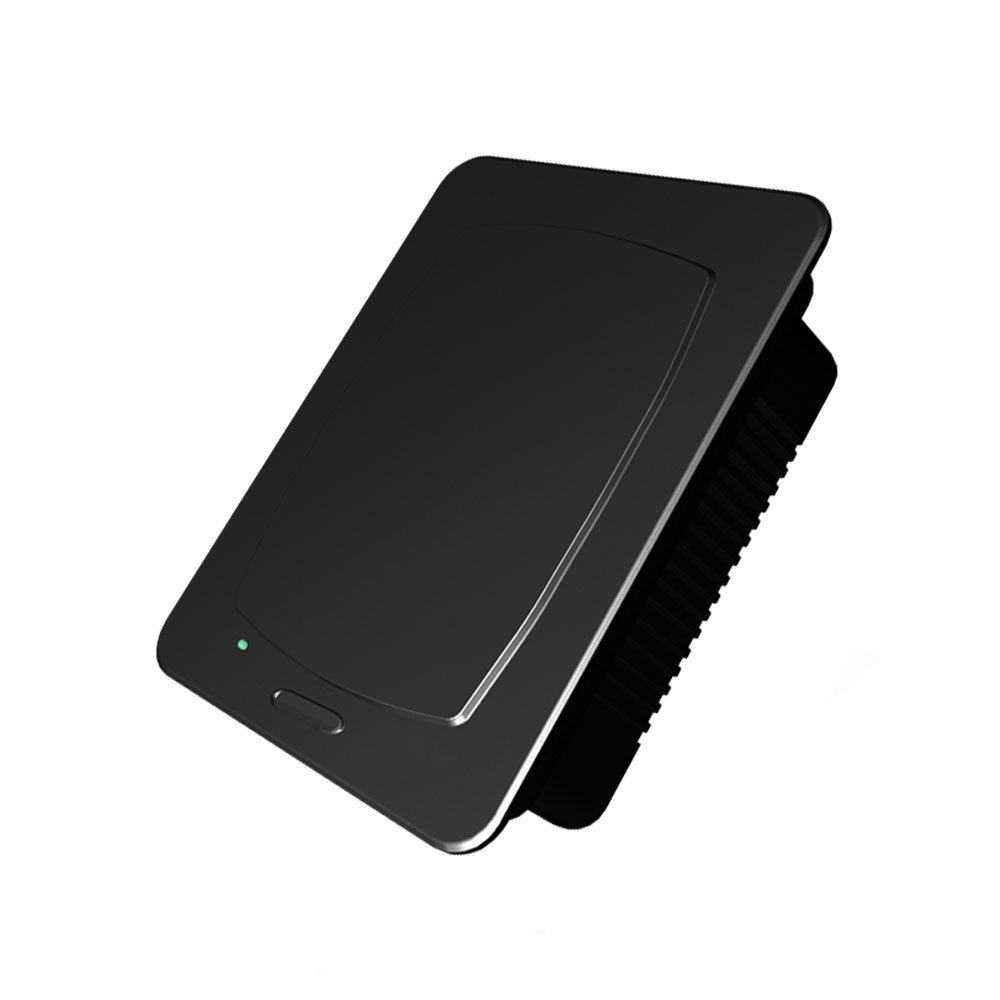
Table of Contents
- 1. Introduction
- 2. What Is an EAS Deactivator?
- 3. How Does an EAS Deactivator Work?
- 4. Types of EAS Deactivators
- 5. Key Benefits for Retailers
- 6. EAS Deactivator vs. Detacher
- 7. Implementation Best Practices
- 8. Common Retail Pain Points Solved
- 9. Feature Comparison Table
- 10. FAQ
- 11. Conclusion
1. Introduction
Retail shrinkage remains a persistent issue worldwide, costing businesses billions annually. Traditional security methods are no longer sufficient in high-traffic retail environments. As a result, electronic article surveillance systems have become standard. Within these systems, the EAS deactivator plays a pivotal role by ensuring legitimate purchases do not trigger alarms while maintaining security integrity.
2. What Is an EAS Deactivator?
An EAS deactivator is a device installed at checkout counters that neutralizes or deactivates security labels attached to merchandise. These labels are designed to trigger alarms when passing through detection gates unless properly deactivated.
- Used primarily in retail stores
- Works with soft labels (RF or AM)
- Ensures smooth customer exit
- Integrates with POS systems
3. How Does an EAS Deactivator Work?
The operation of an EAS deactivator depends on the type of technology used in the label system:
Radio Frequency (RF) Systems: The deactivator emits a specific electromagnetic signal that disrupts the circuit within the label, rendering it inactive.
Acousto-Magnetic (AM) Systems: These systems alter the magnetic properties of the label strip, preventing resonance with detection gates.
The process is instantaneous and typically occurs when a cashier scans or places an item on the deactivation pad.
4. Types of EAS Deactivators
Different retail environments require different deactivation technologies:
- RF Deactivators: Suitable for apparel and general merchandise
- AM Deactivators: Ideal for high-value goods and libraries
- Integrated Deactivators: Built into barcode scanners
- Pad-Based Systems: Installed under or on checkout counters
5. Key Benefits for Retailers
Enhanced Theft Prevention
By ensuring only purchased items are deactivated, EAS systems significantly reduce shoplifting incidents.
Faster Checkout Process
Automated deactivation eliminates manual handling, reducing queues and improving customer satisfaction.
Improved Store Efficiency
Staff can focus on customer service instead of security procedures.
Reduced False Alarms
Accurate deactivation minimizes embarrassing and time-consuming false alarms at exit gates.
6. EAS Deactivator vs. Detacher
Retailers often confuse deactivators with detachers, but they serve different purposes:
- Deactivator: Neutralizes soft labels
- Detacher: Physically removes hard tags
Both are often used together in comprehensive security setups.
7. Implementation Best Practices
To maximize performance, retailers should follow these strategies:
- Install deactivators near POS systems
- Ensure compatibility with label types
- Train staff on proper usage
- Regularly test system functionality
8. Common Retail Pain Points Solved
EAS deactivators directly address several operational challenges:
- Long checkout times
- Customer complaints due to false alarms
- Inventory shrinkage
- Inefficient staff workflow
By resolving these issues, retailers can improve both profitability and customer experience.
9. Feature Comparison Table
| Feature | RF Deactivator | AM Deactivator |
|---|---|---|
| Technology Type | Radio Frequency | Acousto-Magnetic |
| Typical Use | Clothing, retail goods | Electronics, libraries |
| Deactivation Speed | Fast | Very Fast |
| Detection Accuracy | High | Very High |
| Cost | Lower | Higher |
10. FAQ
Q1: Can an EAS deactivator work with all labels?
No, compatibility depends on whether the system uses RF or AM technology.
Q2: Is installation complicated?
Most systems are plug-and-play and can be integrated easily with existing POS setups.
Q3: How often should deactivators be maintained?
Routine checks are recommended monthly to ensure consistent performance.
Q4: Do deactivators reduce theft completely?
They significantly reduce theft but should be part of a broader security strategy.
11. Conclusion
EAS deactivators are indispensable tools for modern retail environments. They streamline checkout operations, enhance security, and improve customer satisfaction. By selecting the right system and implementing it effectively, retailers can significantly reduce losses while maintaining a seamless shopping experience.
For businesses seeking reliable and high-performance solutions, LIFANGMEI offers advanced EAS deactivator systems tailored to diverse retail needs. Contact us today to discover how we can optimize your store security and operational efficiency.