

How does an automatic transfer switch work with an emergency generator
2026-04-16
When the utility power fails, an Emergency Generator is only useful if it can safely and automatically restore electricity to your building. The component that makes this possible is the automatic transfer switch (ATS). At Kecheng, we design high‑performance ATS units that work seamlessly with any Emergency Generator to ensure uninterrupted power for homes, hospitals, and data centers.
An automatic transfer switch constantly monitors utility power. When it detects a drop below a preset threshold (typically 70–80% of nominal voltage), it sends a start signal to the Emergency Generator. Once the generator reaches stable voltage and frequency (usually within 10–15 seconds), the ATS switches the electrical load from the utility line to the generator. After utility power returns and remains stable for a set time (often 30 seconds to 5 minutes), the ATS transfers the load back and commands the generator to shut down.
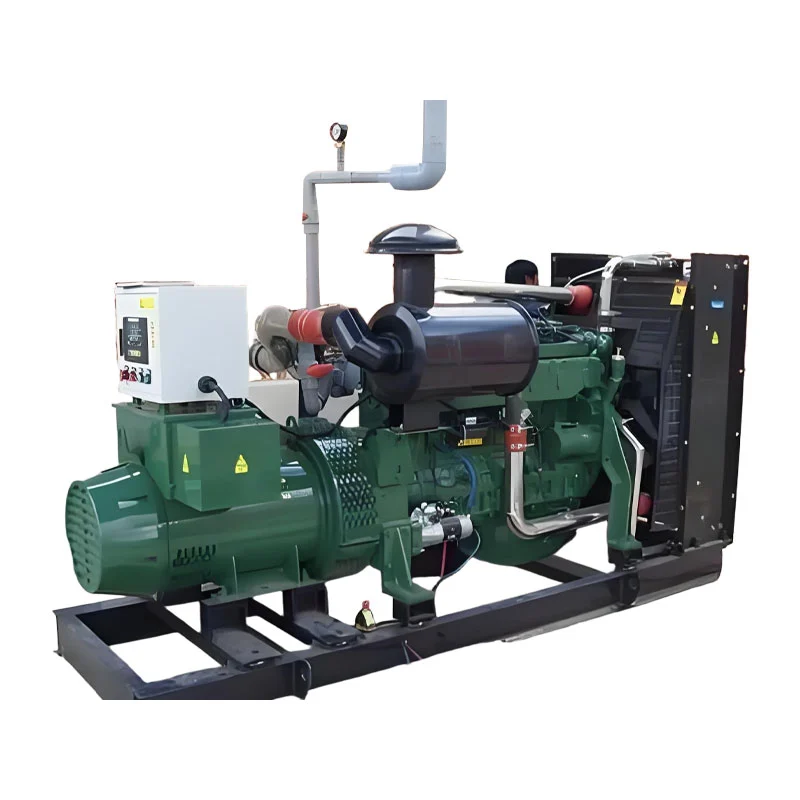
The following table shows the three key operating stages of an ATS paired with an Emergency Generator:
| Stage | Action by ATS | Status of Emergency Generator |
|---|---|---|
| Utility failure | Sends start command | Cranks and starts running |
| Generator ready | Transfers load to generator | Supplies stable power |
| Utility restored | Retransfers load to utility | Enters cooldown and stops |
Kecheng ATS units also include built‑in exercisers that automatically run your Emergency Generator weekly without transferring the load, keeping the system ready. Additional features like programmable time delays prevent nuisance switching during brief power flickers.
Below are three frequently asked questions about how an ATS works with an Emergency Generator.
Q1: Can an automatic transfer switch work with any portable Emergency Generator
A1: Not directly. Most portable Emergency Generators have a manual start and a standard outlet. An ATS requires a generator with an automatic start capability (usually a two‑wire or three‑wire start interface). Kecheng offers ATS models compatible with portable generators that have electric start and remote start terminals. Always check your generator’s specifications before connecting an ATS.
Q2: What happens if the automatic transfer switch fails while the Emergency Generator is running
A2: If the ATS fails to transfer or retransfer, the Emergency Generator may continue running but the building will receive no power (or will remain on generator power even after utility returns). Most quality ATS units, including those from Kecheng, have a manual override handle. In an emergency, you can physically move the transfer mechanism to the desired position. Regular inspection and load testing every six months can prevent such failures.
Q3: Does an automatic transfer switch consume power when the Emergency Generator is off
A3: Yes, a very small amount. The ATS control board continuously monitors utility voltage, typically drawing less than 5 watts. This is negligible compared to the building’s total load. Kecheng ATS designs use energy‑efficient microprocessors, so the standby power consumption is minimal. No battery is required for the monitoring circuit – it runs directly from the utility line.
For a complete and reliable backup power system, the automatic transfer switch is as important as the Emergency Generator itself. Kecheng provides ATS units for residential, commercial, and industrial applications, from 30A to 800A, with optional remote monitoring.
Contact us today for a free consultation on selecting the right automatic transfer switch for your Emergency Generator. Visit our website or email our engineering team to request a quote and technical datasheets.