Article Summary
AC contactors are essential components in modern electrical systems, providing efficient control over high-voltage circuits. This article explores their operation, benefits, selection tips, common issues, and maintenance strategies. By understanding AC contactors, you can optimize system performance, enhance safety, and reduce operational costs.
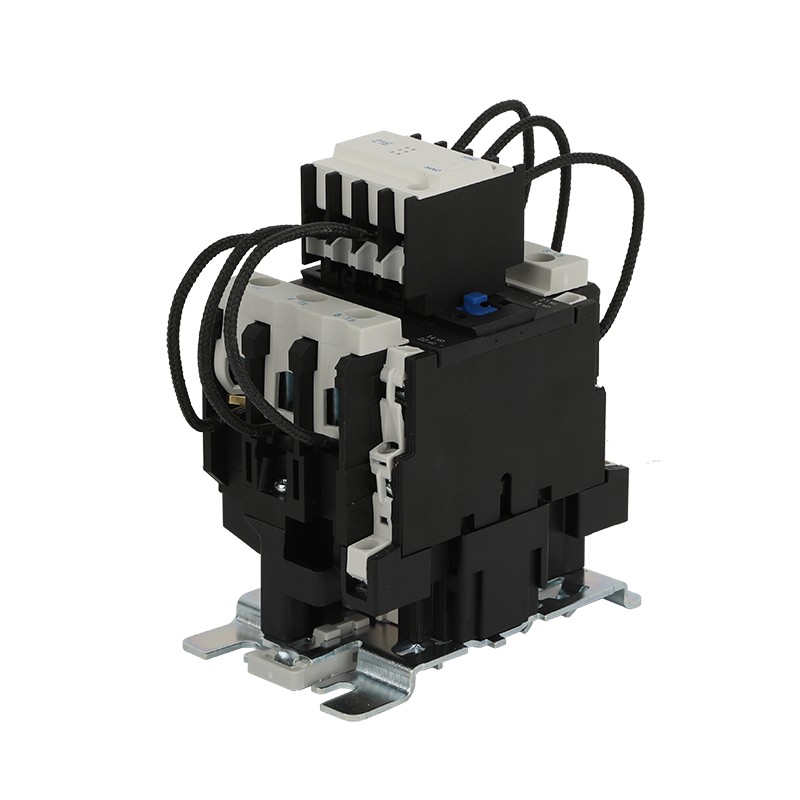
Working Principle of AC Contactors
The AC contactor works based on an electromagnetic principle. When a control voltage is applied to the coil, it creates a magnetic field that pulls the contactor’s armature, closing the contacts and allowing current to flow through the main circuit. When the coil voltage is removed, a spring returns the armature to its original position, opening the contacts and stopping the current flow.
-
Electromagnetic Coil: Generates a magnetic field to operate the contacts.
-
Main Contacts: Conduct the main load current.
-
Auxiliary Contacts: Provide additional control for signaling or interlocking.
Key Features and Benefits
AC contactors offer numerous advantages that make them indispensable in industrial and commercial electrical systems.
|
Feature
|
Benefit
|
|
High Switching Capacity
|
Can handle large currents efficiently, reducing the risk of overheating.
|
|
Durability
|
Designed for frequent operation without mechanical wear.
|
|
Safety
|
Prevents electrical overloads and reduces fire hazards.
|
|
Auxiliary Contacts
|
Enhances control system flexibility for automation.
|
Selection Guide for AC Contactors
Selecting the right AC contactor depends on several key factors:
-
Voltage Rating: Ensure the contactor matches the system voltage to avoid coil failure.
-
Current Rating: Choose a contactor that can handle the full load current safely.
-
Environmental Conditions: Consider temperature, humidity, and dust to select a robust model.
-
Frequency of Operation: For applications with frequent switching, pick a contactor designed for high endurance.
-
Auxiliary Functions: Determine if additional contacts are needed for signaling or automation.
Geyue Electric offers a wide range of high-quality AC contactors that meet these criteria for reliable operation.
Common Problems and Troubleshooting
Even the best AC contactors may experience issues over time. Understanding common problems can prevent downtime:
-
Overheating: Often caused by overcurrent or poor ventilation.
-
Contact Pitting: Repeated arcing can wear down contacts, reducing performance.
-
Coil Burnout: Voltage spikes or improper sizing may damage the coil.
-
Mechanical Failure: Dust and debris can hinder armature movement.
Regular inspection and maintenance can mitigate these problems.
Maintenance Tips
Proper maintenance ensures long-lasting and reliable AC contactor performance:
-
Inspect contacts regularly for signs of wear or pitting.
-
Clean dust and debris from the coil and contacts.
-
Check for loose wiring connections.
-
Verify coil voltage and operation periodically.
-
Lubricate mechanical parts if recommended by the manufacturer.
Geyue Electric provides maintenance guides and technical support to help customers maximize equipment lifespan.
FAQ
-
Q1: Can AC contactors control both AC and DC loads?
-
A1: Standard AC contactors are designed for AC loads. For DC applications, a DC-rated contactor should be used.
-
Q2: How long does an AC contactor last?
-
A2: Depending on load and frequency of operation, AC contactors can last several years. Regular maintenance extends lifespan.
-
Q3: What happens if a contactor fails?
-
A3: Failure can lead to motor stoppage, lighting outage, or system downtime. Using reliable contactors and timely replacement prevents disruptions.
-
Q4: Can I use a small contactor for a large motor?
-
A4: No, undersized contactors can overheat and fail. Always match the contactor rating to the load requirements.