

How Does an ABB PLC Integrate with Existing SCADA Systems
2026-03-03
Integrating a new ABB PLC into an established SCADA environment is a critical task for modern industrial facilities seeking to enhance automation without replacing entire infrastructures. At Yueyang Tongtu, we specialize in seamless industrial communication, ensuring that your ABB PLC becomes a robust and reliable node within your existing Supervisory Control and Data Acquisition (SCADA) systems. This integration hinges on standard protocols, proper configuration, and a clear understanding of both legacy and modern network architectures.
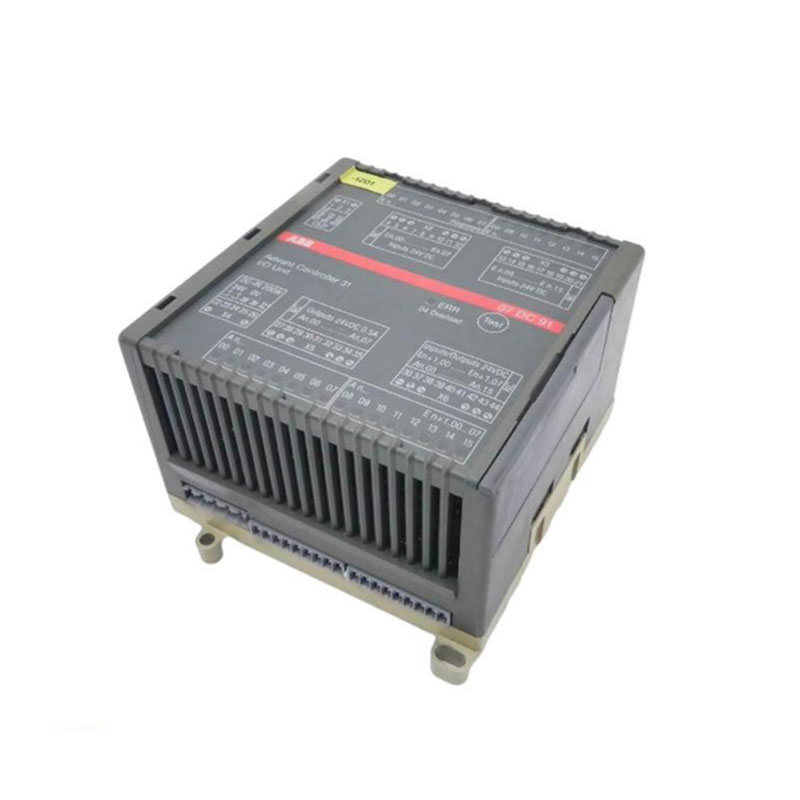
Core Integration Protocols
The foundation of any successful ABB PLC and SCADA connection lies in the communication protocol. ABB controllers support a variety of open and proprietary standards to ensure compatibility.
| Protocol | Type | Typical Use Case in Integration |
|---|---|---|
| Modbus TCP/IP | Open Standard | Connecting to third-party HMI software or legacy SCADA masters over Ethernet. |
| OPC UA | Platform-Independent | Providing structured data to modern SCADA systems for advanced analytics and security. |
| Profibus DP | Fieldbus | Integrating with existing process controllers or distributed I/O within the plant. |
| IEC 60870-5-101/104 | Telecontrol | Specifically for utility and energy management SCADA systems requiring long-distance reliability. |
Step-by-Step Integration Approach
A methodical approach ensures data integrity and system stability when introducing a new ABB PLC. Yueyang Tongtu recommends the following workflow for our clients:
-
Network Assessment: Evaluate the existing SCADA network topology, IP schemes, and available protocols.
-
PLC Configuration: Configure the communication drivers within the ABB PLC programming software (such as Automation Builder) to match the SCADA master requirements.
-
Tag Definition and Mapping: Define data points (tags) in the ABB PLC and map them to the SCADA database, ensuring consistent data types and scaling.
-
Communication Testing: Establish a point-to-point connection to verify read/write operations without disrupting live processes.
-
Full Deployment and Monitoring: Integrate the PLC into the live SCADA network and monitor for communication stability.
Key Considerations for a Successful Integration
When planning your integration project with Yueyang Tongtu, keep the following factors in mind to ensure a smooth transition and optimal performance of your ABB PLC within the SCADA framework:
-
Protocol Compatibility: Verify that both the ABB PLC and the SCADA master support a common protocol version.
-
Network Security: Implement firewalls or data diodes to protect the SCADA network from unauthorized access through the new PLC connection.
-
Data Modeling: Structure the ABB PLC data logically to simplify maintenance and troubleshooting on the SCADA side.
-
Timing and Synchronization: Ensure the ABB PLC clock is synchronized with the SCADA master for accurate time-stamping of events and alarms.
Frequently Asked Questions About ABB PLC and SCADA Integration
What specific communication protocols do ABB PLCs support for SCADA integration?
ABB PLCs are designed for maximum interoperability. They universally support standard protocols like Modbus RTU/TCP and Profinet. For higher-level SCADA integration, they excel with OPC UA, which provides a secure, platform-independent data exchange model. For specific industries like power distribution, they also support IEC 60870-5-104 and DNP3. The choice of protocol depends entirely on what your existing SCADA head-end system can accept.
Can an older SCADA system communicate with a new ABB PLC without a hardware upgrade?
Yes, in most cases, communication is possible without replacing the SCADA master hardware. If the SCADA system supports open protocols like Modbus or OPC, it can connect directly to the ABB PLC. If the SCADA uses a legacy proprietary protocol, a protocol gateway or converter may be required. Yueyang Tongtu can provide and configure these gateways to bridge the gap, preserving your investment in legacy SCADA infrastructure while integrating modern ABB PLC controllers.
How do I ensure data security when connecting a new ABB PLC to my plant-wide SCADA network?
Security is paramount in any industrial integration. First, the ABB PLC should be placed on a dedicated industrial network segment or VLAN. Second, utilize the security features built into protocols like OPC UA, which include authentication and encryption. Third, implement a industrial firewall or a data diode between the ABB PLC network and the main SCADA network to filter traffic and prevent unauthorized access. Finally, regularly update the ABB PLC firmware and SCADA software to patch known vulnerabilities.
Upgrade Your Industrial Network with Yueyang Tongtu
Integrating a new ABB PLC with your existing SCADA system doesn't have to be a complex challenge. With the right expertise and hardware, you can achieve seamless data flow, enhanced process visibility, and improved operational efficiency. Yueyang Tongtu provides comprehensive solutions, from protocol converters and communication modules to expert engineering support, ensuring your ABB PLC integration is successful from day one.
Contact us today to discuss your project requirements and let our team help you build a smarter, more connected industrial operation.