Abstract
A Water Meter Actuator is a critical automation component used in modern water management systems to enable remote control, precise regulation, and intelligent monitoring of water flow. It plays a vital role in smart utilities, residential water control systems, industrial water distribution networks, and municipal infrastructure. This article explains how a Water Meter Actuator works, its structure, benefits, applications, selection criteria, and maintenance considerations, helping users understand how to improve water efficiency, reduce operational costs, and enhance system reliability.
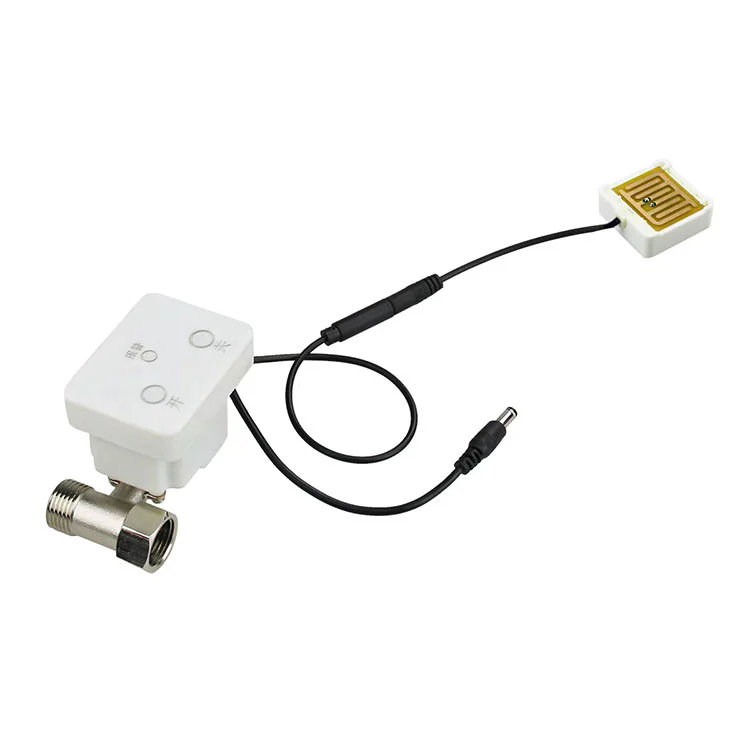
Introduction to Water Meter Actuator
Water distribution systems have evolved significantly with the integration of automation technologies. Among these innovations, the Water Meter Actuator has become a key device for controlling water flow with precision and remote operability. It eliminates the need for manual valve operation and enables utilities and industries to manage water consumption efficiently and safely.
What is a Water Meter Actuator?
A Water Meter Actuator is an electromechanical device designed to operate water meter valves automatically. It converts electrical signals into mechanical motion, enabling the opening, closing, or modulation of water flow. It is often integrated with smart meters, IoT systems, and remote monitoring platforms.
In practical terms, it acts as the “control hand” of a water management system, ensuring that water delivery is accurate, controlled, and responsive to real-time demands.
How a Water Meter Actuator Works
The working principle of a Water Meter Actuator is based on electromechanical energy conversion. When an electrical signal is received from a control system, the actuator motor is activated. This motor generates torque, which is transferred through a gear system to rotate or move the valve mechanism.
Below is a simplified step-by-step process:
-
Signal Input: A command is sent from a controller or smart meter system.
-
Electrical Activation: The actuator motor receives electrical energy.
-
Mechanical Conversion: The motor converts electrical energy into rotational or linear motion.
-
Valve Operation: The mechanism opens or closes the water valve.
-
Feedback System: Position sensors report the valve status back to the control unit.
This closed-loop system ensures accuracy, reliability, and real-time response in water distribution management.
Core Components
-
Electric Motor: Provides the driving force for movement.
-
Gear System: Reduces speed and increases torque for precise control.
-
Control Circuit: Interprets signals from external systems.
-
Position Sensor: Detects valve position and sends feedback.
-
Housing Unit: Protects internal components from environmental damage.
Key Benefits
Water Meter Actuators provide significant advantages for modern infrastructure systems:
-
Improved water usage efficiency
-
Remote monitoring and control capability
-
Reduced labor and operational costs
-
Enhanced leak detection and prevention
-
Integration with smart city systems
Companies like Kaiye have developed advanced actuator solutions that enhance durability and performance in demanding environments.
Industrial and Commercial Applications
Water Meter Actuators are widely used across different industries:
-
Municipal water supply systems
-
Residential smart water metering
-
Agricultural irrigation control
-
Industrial process water management
-
Commercial building water systems
How to Choose the Right Model
Selecting the right Water Meter Actuator depends on several operational and environmental factors. Below is a guide to assist decision-making:
|
Factor
|
Description
|
Recommendation
|
|
Torque Requirement
|
Determines force needed to operate valve
|
Match actuator torque with valve size
|
|
Power Supply
|
Voltage and current compatibility
|
Choose stable and supported voltage range
|
|
Environmental Protection
|
Resistance to water, dust, and corrosion
|
IP65 or higher recommended
|
|
Control Type
|
Manual, semi-automatic, or smart control
|
Smart IoT-enabled systems for efficiency
|
Installation and Maintenance
Proper installation and maintenance ensure long-term performance and reliability.
-
Ensure correct alignment between actuator and valve shaft
-
Verify electrical connections before powering the system
-
Conduct periodic lubrication of mechanical parts
-
Inspect sealing to prevent water ingress
-
Test system response regularly for calibration accuracy
Kaiye provides technical support and engineering guidance for installation optimization, ensuring system stability and reduced downtime.
Comparison Table
|
Feature
|
Manual Valve
|
Water Meter Actuator
|
|
Control Method
|
Hand-operated
|
Automated / Remote
|
|
Efficiency
|
Low
|
High
|
|
Monitoring
|
None
|
Real-time feedback
|
|
Maintenance
|
Frequent manual intervention
|
Low maintenance
|
Common Issues and Troubleshooting
-
Actuator not responding: Check power supply and signal input.
-
Slow operation: Inspect gear mechanism for wear or obstruction.
-
Leakage issues: Ensure valve sealing integrity.
-
Sensor failure: Replace or recalibrate position sensors.
Frequently Asked Questions
Q1: What is the lifespan of a Water Meter Actuator?
A: Typically 5–10 years depending on usage conditions and maintenance frequency.
Q2: Can it be integrated with smart city systems?
A: Yes, modern actuators are designed for IoT integration and remote monitoring platforms.
Q3: Is professional installation required?
A: Yes, professional installation ensures optimal performance and safety compliance.
Q4: What makes Kaiye actuators different?
A: Kaiye focuses on durability, precision engineering, and compatibility with modern water management systems.
Conclusion
The Water Meter Actuator is a foundational component in modern water management systems, enabling automation, precision control, and operational efficiency. From municipal water networks to industrial applications, it enhances system reliability and reduces resource waste.
With advanced engineering solutions from Kaiye, users can achieve higher performance standards and long-term operational stability in water distribution systems.
For more technical details, customization options, or project collaboration, contact us today at Kaiye and explore how our Water Meter Actuator solutions can transform your water management efficiency.
Contact Kaiye: If you are looking for reliable Water Meter Actuator solutions, contact us to discuss your requirements and get professional support tailored to your project needs.