

How Does a Toothbrush Pressure Sensor Improve Oral Care?
2026-05-14
Summary: In the modern era of smart oral care, toothbrush pressure sensors have revolutionized the way we maintain dental hygiene. By detecting the amount of force applied during brushing, these sensors protect teeth and gums from damage while enhancing cleaning efficiency. This article explores the technology behind toothbrush pressure sensors, their benefits, common problems they solve, and answers frequently asked questions to help users make informed decisions.
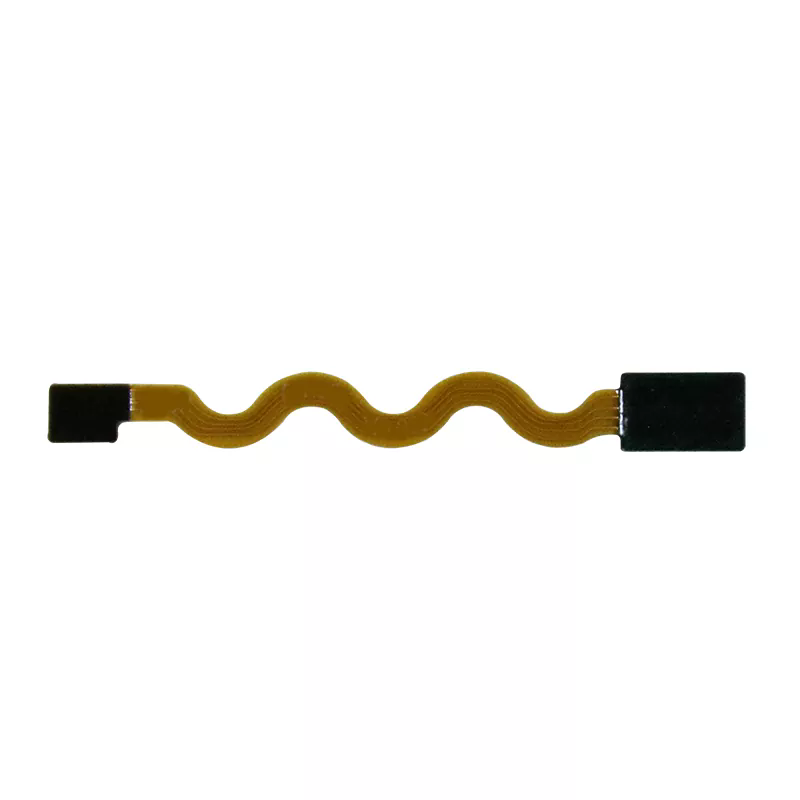
Table of Contents
- What is a Toothbrush Pressure Sensor?
- How Does a Toothbrush Pressure Sensor Work?
- Why Choose a Toothbrush with a Pressure Sensor?
- Key Benefits of Using a Pressure Sensor Toothbrush
- Common Oral Problems Solved
- FAQ about Toothbrush Pressure Sensors
- Contact Xiamen Honflex Electronics Technology Group
What is a Toothbrush Pressure Sensor?
A toothbrush pressure sensor is an advanced electronic component integrated into modern toothbrushes to monitor the force applied while brushing. Traditional brushing techniques rely on user perception, which can often lead to excessive pressure and gum irritation or insufficient pressure resulting in poor cleaning. With the sensor, users receive real-time feedback to adjust their brushing intensity, ensuring optimal oral care.
How Does a Toothbrush Pressure Sensor Work?
The core functionality of a toothbrush pressure sensor involves detecting the mechanical force applied to the brush head. Here is a simplified explanation:
- Force Detection: The sensor measures the pressure exerted by the user using strain gauges or piezoelectric elements.
- Signal Processing: The detected force is converted into an electronic signal and sent to the toothbrush's microcontroller.
- Feedback Mechanism: If excessive pressure is detected, the toothbrush alerts the user via vibration, LED light, or a mobile app notification.
The integration of pressure sensors ensures that users maintain gentle yet effective brushing techniques, reducing the risk of enamel erosion and gum recession.
Why Choose a Toothbrush with a Pressure Sensor?
Choosing a toothbrush equipped with a pressure sensor is an investment in long-term oral health. Here are key reasons:
- Prevents Gum Damage: Excessive brushing force can harm delicate gum tissue, leading to bleeding or sensitivity.
- Optimizes Cleaning: Maintaining the right pressure enhances plaque removal without causing abrasion.
- Smart Alerts: Sensors provide real-time feedback, helping users develop better brushing habits over time.
- Compatibility with Smart Devices: Many pressure sensor toothbrushes connect to apps for tracking oral care patterns and improvement tips.
Key Benefits of Using a Pressure Sensor Toothbrush
| Benefit | Description |
|---|---|
| Enamel Protection | Reduces risk of enamel erosion by alerting users to avoid excessive force. |
| Gum Health | Prevents gum irritation and bleeding through gentle brushing guidance. |
| Effective Plaque Removal | Maintains optimal brushing force for thorough cleaning. |
| Personalized Brushing | Tracks brushing habits and offers tailored feedback for improvement. |
| Long-Term Oral Hygiene | Helps prevent dental issues like cavities, tartar buildup, and gingivitis. |
Common Oral Problems Solved
Pressure sensor toothbrushes are particularly effective for people facing these challenges:
- Over-Brushing: Users often brush too hard, which can lead to gum recession.
- Under-Brushing: Insufficient pressure leaves plaque and food debris behind.
- Inconsistent Brushing Patterns: Sensors guide users to maintain uniform force across all teeth.
- Sensitive Teeth: Alerts help avoid discomfort by reducing excessive pressure on sensitive areas.
FAQ about Toothbrush Pressure Sensors
Q1: Can a pressure sensor toothbrush prevent gum disease?
A1: While it cannot replace professional dental care, it significantly reduces the risk of gum irritation, a common cause of gum disease.
Q2: Are pressure sensors compatible with all toothbrush types?
A2: Most advanced electric toothbrushes integrate these sensors, but manual toothbrushes do not have this feature.
Q3: How do I know if my brushing pressure is too high?
A3: Your toothbrush will provide visual or vibration alerts when excessive pressure is detected.
Q4: Does using a pressure sensor toothbrush improve cleaning efficiency?
A4: Yes, optimal pressure ensures effective plaque removal without damaging enamel or gums.
Contact Xiamen Honflex Electronics Technology Group
If you are looking for high-quality toothbrush pressure sensors that combine precision, reliability, and innovative design, Xiamen Honflex Electronics Technology Group is your trusted partner. Our advanced sensors are crafted for smart toothbrushes to improve oral care experiences globally. Contact us today to learn more about our products and how we can help elevate your oral hygiene solutions.