

How Does a Solar Connector Ensure Safe and Efficient Energy Transfer?
2026-03-04
Article Summary
Solar connectors are essential components in photovoltaic systems, ensuring reliable electrical connections between solar panels and inverters. Choosing the correct connector type and installation method impacts energy efficiency, system longevity, and safety.
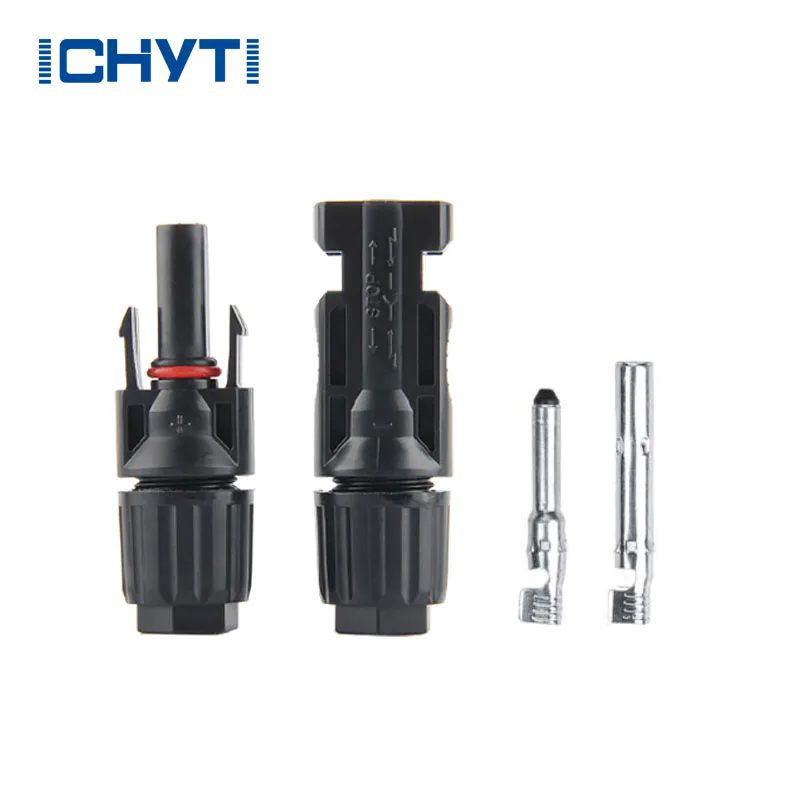
Table of Contents
- Overview of Solar Connectors
- Common Customer Challenges
- Types of Solar Connectors
- How to Choose the Right Solar Connector
- Installation Tips and Best Practices
- Solar Connector Comparison Table
- Maintenance and Reliability
- Application Scenarios
- Frequently Asked Questions
- Conclusion and Contact Us
Overview of Solar Connectors
Solar connectors, also called PV connectors, are devices designed to establish secure, low-resistance electrical connections in photovoltaic systems. They connect solar panels to wiring harnesses, inverters, and junction boxes. Proper solar connectors prevent energy loss, overheating, and potential safety hazards such as electrical arcing. CHYT specializes in manufacturing connectors that meet international quality standards, ensuring durability and stable performance in diverse environmental conditions.
Common Customer Challenges
Installers and system designers often face challenges when using solar connectors. Understanding these issues helps prevent inefficiencies and system failures.
- Loose connections leading to energy loss or overheating
- Incompatibility between panel types and connector models
- Connector degradation under extreme weather or UV exposure
- Difficulty in installation or disconnection without proper tools
- Limited lifespan reducing long-term system reliability
These challenges highlight the importance of selecting connectors with high-quality materials, precise design, and proper installation procedures.
Types of Solar Connectors
Solar connectors vary based on electrical capacity, connection type, and environmental resistance. Choosing the right type depends on the system requirements.
- MC4 Connectors – Most common in residential and commercial PV systems; simple click-lock mechanism; high weather resistance
- PV-KST Connectors – Standard connectors suitable for low-voltage modules and flexible wiring
- Multi-Contact Connectors – Premium connectors offering low contact resistance and high durability
- Custom or Specialized Connectors – Designed for specific panel brands or extreme environmental conditions
How to Choose the Right Solar Connector
Selecting the correct connector requires evaluating system voltage, current rating, environmental exposure, and compatibility.
- Confirm the rated voltage and current match the PV module and inverter requirements
- Check compatibility with the existing panel or wiring system
- Consider IP rating and UV resistance for outdoor installations
- Verify material quality, corrosion resistance, and mechanical durability
- Ensure ease of installation and secure locking mechanism
CHYT provides technical consultation to help customers select connectors that optimize system safety, efficiency, and longevity.
Installation Tips and Best Practices
Proper installation maximizes performance and reduces risk of failures. Key practices include:
- Inspect connectors for damage before installation
- Ensure clean, stripped wires and correct polarity
- Use manufacturer-recommended tools for crimping and locking
- Avoid excessive bending or tension on wires and connectors
- Perform testing to verify low-resistance and secure connections
Solar Connector Comparison Table
| Connector Type | Voltage & Current Rating | Key Advantages | Typical Applications |
|---|---|---|---|
| MC4 | 1000V / 30A | Widely compatible, weather-resistant, easy installation | Residential & commercial PV systems |
| PV-KST | 600V / 20A | Flexible, cost-effective, low-voltage systems | Small-scale solar modules, DIY projects |
| Multi-Contact | 1500V / 50A | Low resistance, high durability, premium material | Industrial & high-capacity solar plants |
| Custom/Specialized | Varies | Tailored performance, extreme weather resistance | Specialized or harsh-environment PV systems |
Maintenance and Reliability
Maintaining solar connectors ensures system efficiency and safety. Regular inspections should include:
- Checking for discoloration, cracks, or corrosion
- Verifying secure connection and proper locking
- Cleaning exposed connectors to prevent dirt accumulation
- Replacing aged or damaged connectors promptly
CHYT designs connectors for long-term reliability, minimizing maintenance frequency while maximizing operational stability.
Application Scenarios
Solar connectors are used in a variety of contexts to ensure safe, efficient energy transfer:
- Residential rooftop solar panels
- Commercial and industrial solar farms
- Portable solar devices and off-grid systems
- Solar-powered street lighting and infrastructure
- Hybrid energy systems combining solar with storage
Frequently Asked Questions
Can solar connectors handle extreme temperatures?
Yes, high-quality connectors from CHYT are rated for wide temperature ranges and UV exposure.
Are MC4 connectors compatible with all solar panels?
Most modern panels support MC4 connectors, but verifying specifications is essential.
How do I know if a connector is securely installed?
A proper click or locking mechanism, along with low-resistance testing, confirms secure installation.
Can I reuse solar connectors?
Some connectors can be disconnected and reused, but repeated use may reduce performance over time.
Conclusion and Contact Us
Choosing the right solar connector is critical for safety, energy efficiency, and system longevity. Understanding connector types, installation best practices, and maintenance requirements reduces operational risks and ensures reliable performance.
CHYT offers premium solar connectors that meet international standards and are optimized for diverse photovoltaic applications. If you want to improve system reliability and simplify installation, contact us today to explore CHYT solar connectors and technical support for your project needs.