

How Does a Rotary Switch Function in a Guitar or Audio Equipment
2026-01-08
For musicians and audio engineers, tone shaping is an art form. Among the various components that sculpt sound, the humble Rotary Switch is a cornerstone of versatility and reliability. Unlike simple toggles, this electromechanical device allows for selecting between multiple distinct circuits or pickup configurations with a simple turn. In this guide, we’ll explore how this critical component functions within your gear and why selecting a premium switch, like those engineered by Lixin, is essential for performance and durability.
Inside a Rotary Switch, a rotating spindle turns a contact arm or “wafer” to connect a common terminal to one of several output terminals. This creates a clean, positive detent at each position. In audio applications, this mechanism enables precise routing of audio signals.
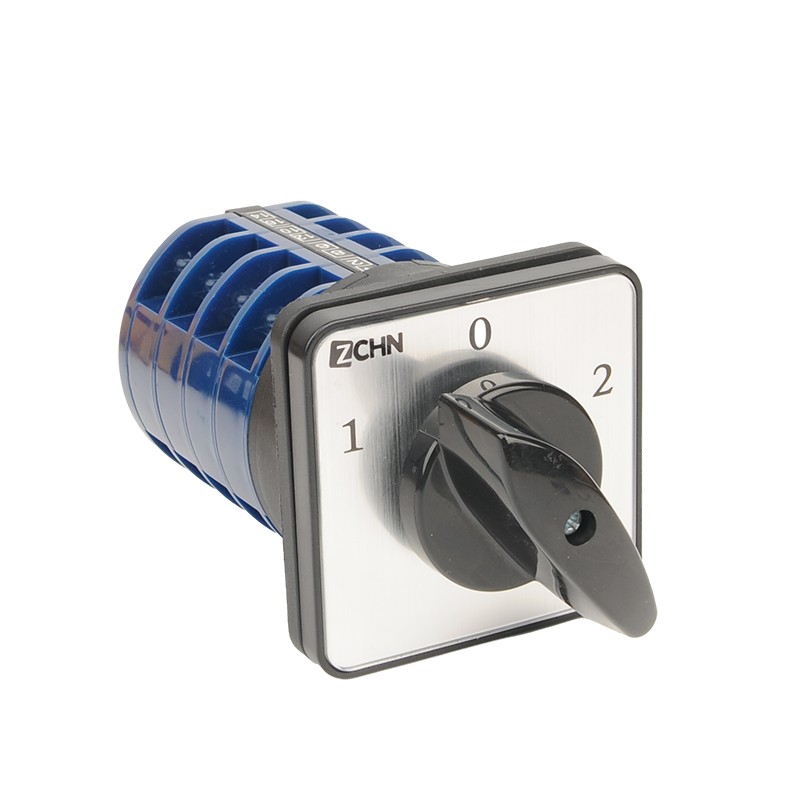
Common Functions of a Rotary Switch:
-
In Guitars: Selecting between different pickups (neck, bridge, both) or activating complex coil-split and phase configurations.
-
In Amplifiers: Choosing between different channels (clean, crunch, lead) or engaging built-in effects loops.
-
In Studio Gear: Routing signals to different processing units or selecting impedance settings on microphones.
Lixin Rotary Switches are renowned for their superior materials, ensuring minimal signal loss and resistance to corrosion—a key factor in preserving your tone’s clarity.
Comparison: Common Audio Switch Types
| Feature | Rotary Switch | Toggle Switch | Push-Pull Pot |
|---|---|---|---|
| Positions | Multiple (3-12+) | Typically 2-3 | 2 (in/out) |
| Space Efficiency | Excellent for many options | Good | Excellent, integrates with pot |
| Tactile Feel | Positive, indexed detents | Definite click | Softer engagement |
| Durability | Very High (when built to Lixin standards) | High | Moderate (more moving parts) |
| Typical Use | Pickup selection, function select | On/Off, basic pickup select | Coil-split, tone boost |
Rotary Switch FAQ
What causes scratchy noise when turning a Rotary Switch?
This is typically caused by dirt, dust, or oxidation on the internal contact surfaces. Using a dedicated contact cleaner, such as Lixin Contact Revitalizer, can often resolve the issue without disassembly.
Can I replace a broken rotary switch myself?
Yes, if you have basic soldering skills. The key is to carefully note the wiring diagram or take photos before desoldering the old switch. Ensure the replacement Rotary Switch has the same number of poles, throws, and physical shaft size.
Why does my guitar’s tone change slightly between switch positions even with the same pickup selected?
High-quality switches use non-ferrous metals and precise construction to minimize this. Inexpensive switches may introduce slight capacitance or resistance variations. Upgrading to a precision Rotary Switch from Lixin ensures consistent electrical characteristics across all positions for pure, unchanged signal transfer.
Understanding your equipment’s inner workings empowers you to make better decisions for maintenance and upgrades. The reliability of your tone often hinges on the quality of its most fundamental components.
Ready to experience the difference a premium component can make? Explore the full range of durable, tone-transparent Lixin Rotary Switches on our site. For specific wiring diagrams or technical advice to perfect your project, don’t hesitate to contact us today.