

Summary: Power meters are essential tools for monitoring electrical consumption in residential, commercial, and industrial settings. They provide accurate data on energy usage, help optimize power consumption, and enable cost savings. In this article, we explore the workings of power meters, their types, applications, and common challenges, while providing practical solutions to maximize their efficiency.
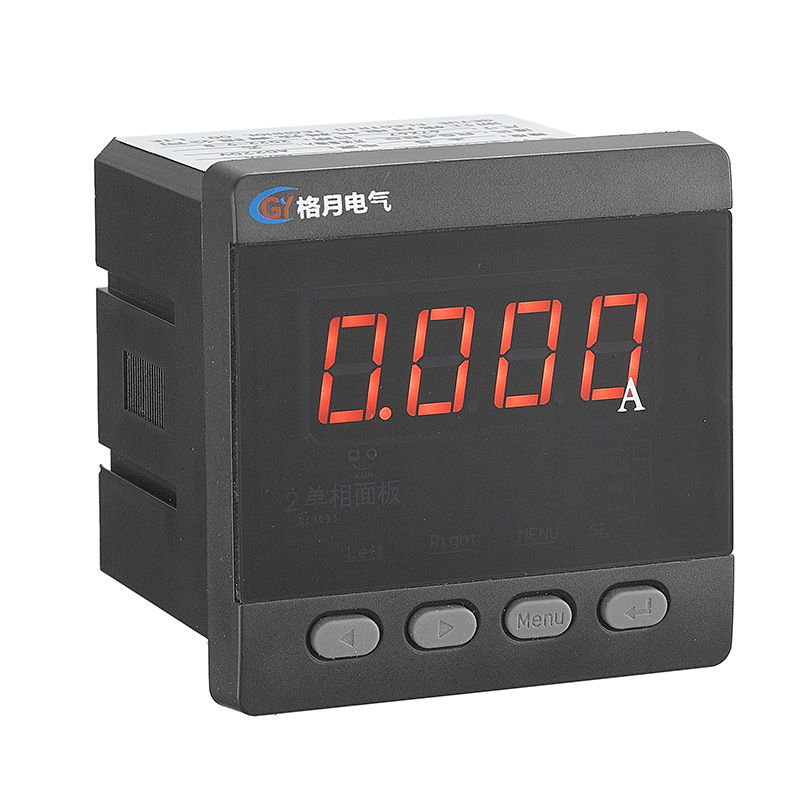
Table of Contents
Introduction to Power Meters
Power meters, also known as energy meters, measure the electrical energy consumed by a device, building, or facility over time. They are crucial for managing energy efficiently and ensuring accurate billing. Modern power meters often include digital interfaces, smart features, and remote monitoring capabilities.
Understanding how a power meter works allows users to identify energy waste, reduce costs, and improve system performance. These devices are used in homes, offices, factories, and utility companies worldwide.
Types of Power Meters
There are several types of power meters, each designed for specific applications and environments:
- Electromechanical Meters: Traditional meters using a spinning disc mechanism to measure energy consumption.
- Electronic Meters: Digital meters with LCD displays and precise energy measurement capabilities.
- Smart Meters: Connected devices capable of real-time energy monitoring, remote readings, and integration with smart home systems.
- Clamp Meters: Portable devices for temporary measurement of current without disconnecting wiring.
Key Components of a Power Meter
A typical power meter contains the following components:
| Component | Function |
|---|---|
| Current Transformer (CT) | Measures the current flowing through the circuit. |
| Voltage Sensor | Measures the voltage in the circuit. |
| Microcontroller/Processor | Processes the measured signals and calculates energy consumption. |
| Display | Shows energy usage data to users. |
| Communication Module | Enables remote monitoring and integration with networks (in smart meters). |
Installation and Setup
Installing a power meter requires attention to safety, proper wiring, and correct placement. Key steps include:
- Turn off the main power supply before installation.
- Connect the current transformers and voltage sensors as per the manufacturer’s instructions.
- Ensure proper grounding and secure wiring connections.
- Configure the meter settings for the correct voltage, current, and tariff rates.
- Test the meter to verify accurate readings.
Professional installation is recommended for high-voltage or three-phase systems to ensure accuracy and compliance with regulations.
Applications and Benefits
Power meters offer a range of benefits across different sectors:
- Energy Management: Track energy consumption and optimize usage to reduce electricity costs.
- Predictive Maintenance: Identify abnormal patterns that may indicate equipment faults.
- Utility Billing: Accurate billing for residential and commercial customers.
- Environmental Impact: Reduce carbon footprint by identifying energy waste.
Industries such as manufacturing, data centers, and smart buildings rely heavily on power meters to maintain operational efficiency and sustainability goals.
Common Issues and Troubleshooting
Users may encounter certain issues with power meters. Here are common problems and their solutions:
- Incorrect Readings: Ensure sensors are properly installed and calibrated.
- Communication Errors: Check network connections and firmware updates for smart meters.
- Power Fluctuations: Use surge protectors and verify electrical supply stability.
Regular maintenance and inspection can prevent most of these issues and extend the meter’s lifespan.
Frequently Asked Questions (FAQ)
Conclusion
Power meters are indispensable tools for managing energy efficiently. By understanding their types, components, installation requirements, and benefits, users can optimize energy consumption, reduce costs, and support sustainability initiatives.
For high-quality power meters and professional support, Geyue Electric provides reliable solutions tailored to your needs. Visit our product page at Geyue Electric Power Meter or contact us today for expert guidance and consultation.