

How Does a Pin Header Improve Reliable PCB Connections?
2026-04-16
In modern electronic design, stable and efficient board-to-board or wire-to-board connectivity is critical for performance, durability, and manufacturability. Pin headers are among the most widely used interconnect components in printed circuit boards because they offer a compact, cost-effective, and versatile solution for signal and power transmission. Whether used in consumer electronics, industrial controllers, automotive systems, or embedded devices, choosing the right pin header can directly affect product reliability. This article explores how pin headers work, why they matter, common buyer pain points, and how JYE helps customers select dependable connector solutions for demanding applications.
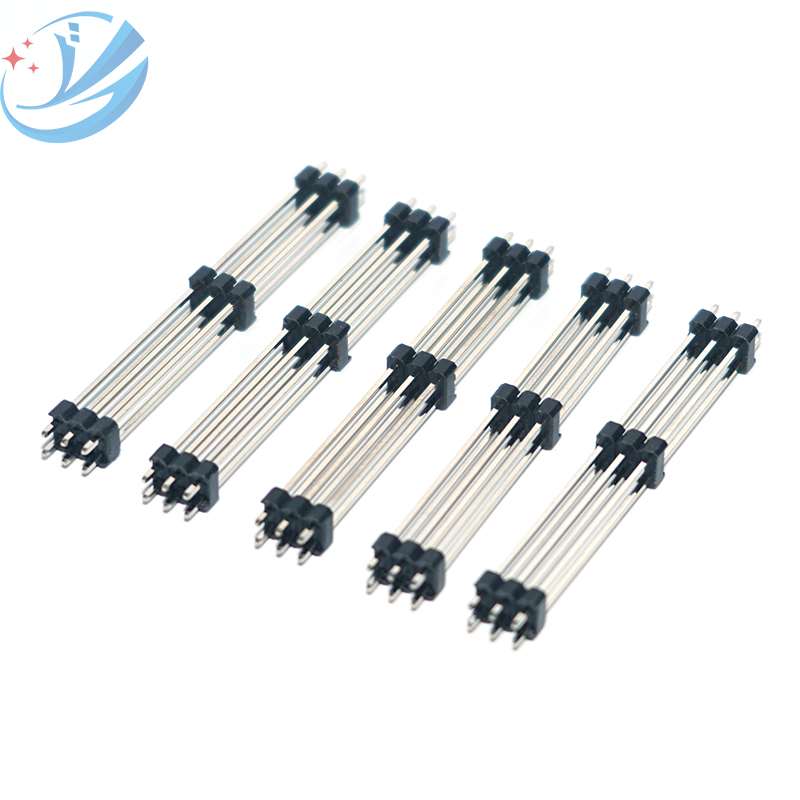
Table of Contents
1. What Is a Pin Header?
A pin header is a form of electrical connector consisting of one or more rows of metal pins embedded in a plastic base. These pins are mounted onto a PCB and act as connection points for other boards, cables, sockets, or female headers.
Pin headers are valued for their modularity, compact structure, and ease of integration into electronic assemblies. They are available in different pitch sizes, row counts, mounting orientations, and plating options to fit varied design requirements.
2. How Does a Pin Header Work?
A pin header creates an electrical pathway between PCB circuits and external devices. Once soldered onto the board, the exposed pins align with mating connectors such as female headers or jumper cables. When inserted together, conductive contact occurs, enabling current or signals to pass efficiently.
- Transfers electrical signals between modules
- Supports removable or modular assembly designs
- Allows quick replacement during maintenance
- Improves flexible PCB expansion capability
This makes pin headers indispensable in systems where compact and repeatable interconnections are required.
3. Common Challenges Buyers Face
Many purchasing managers and engineers encounter avoidable issues when selecting pin headers. These problems often lead to assembly failures, unstable signal transmission, or shortened product lifespan.
| Pain Point | Impact |
|---|---|
| Incorrect pitch size | Mating incompatibility and redesign costs |
| Poor plating quality | Oxidation and unstable conductivity |
| Weak solderability | Assembly defects and rework delays |
| Low mechanical strength | Bent pins during installation |
4. Types of Pin Headers and Their Uses
- Single Row Pin Header: Ideal for compact devices
- Double Row Pin Header: Higher density connectivity
- Straight Pin Header: Vertical board mounting
- Right Angle Pin Header: Side-entry compact layouts
- SMT Pin Header: Surface mount automated assembly
- Custom Pin Header: Tailored dimensions and pin counts
Each type serves unique design goals depending on board spacing, enclosure limitations, and mating direction.
5. How to Choose the Right Pin Header
Selecting the right component requires evaluating both electrical and mechanical requirements.
- Confirm pitch spacing compatibility
- Determine current and voltage ratings
- Choose suitable mounting style
- Check mating cycle durability
- Evaluate environmental resistance needs
For example, high-vibration environments demand stronger retention force and reinforced pin structures.
6. Materials and Plating Considerations
Material quality determines long-term performance. Standard pin headers are typically manufactured using brass or phosphor bronze contacts with gold or tin plating.
| Material | Benefit |
|---|---|
| Gold Plating | Superior corrosion resistance |
| Tin Plating | Cost-effective solderability |
| Phosphor Bronze | High elasticity and durability |
7. Main Industry Applications
Pin headers are used across numerous sectors:
- Consumer electronics
- Medical equipment
- Industrial automation systems
- Automotive electronics
- Telecommunication devices
- IoT smart hardware
Their universal compatibility makes them essential in both prototyping and mass production environments.
8. Why Choose JYE Pin Header Solutions
JYE provides precision-engineered pin header products designed for stable performance and manufacturing consistency. With strict dimensional tolerance control, reliable plating processes, and extensive customization support, JYE helps customers reduce defect rates and improve assembly efficiency.
9. FAQ
Q1: What pitch sizes are most common for pin headers?
2.54mm is the industry standard, but 2.0mm, 1.27mm, and custom pitches are also widely used.
Q2: Can pin headers carry power as well as signals?
Yes, depending on pin diameter, plating, and material specifications.
Q3: How do I prevent oxidation issues?
Choose high-quality plated contacts and store connectors in dry, controlled environments.
Q4: Are custom pin counts available?
Yes, JYE supports custom pin counts, layouts, and terminal lengths.
10. Conclusion
Pin headers may appear simple, but their role in ensuring reliable electrical connectivity is fundamental to electronic product performance. Choosing the right design, material, and supplier can significantly reduce production risks and improve system stability.
Looking for dependable pin header solutions tailored to your application? Contact JYE today to discuss your project requirements and contact us for expert support on your next connector sourcing plan.