

How Does a Piezoelectric Buzzer Work and Why Is It Essential for Modern Electronic Devices?
2026-07-30
Article Summary
A piezoelectric buzzer is a compact, reliable, and energy-efficient sound-producing component widely used in electronic equipment, industrial systems, automotive applications, medical devices, and smart consumer products. Understanding how a piezoelectric buzzer works helps engineers, manufacturers, and buyers choose the right solution for their specific applications. This article explains the operating principle, advantages, selection factors, common problems, and application scenarios of piezoelectric buzzers while providing practical guidance for improving product performance and reliability.
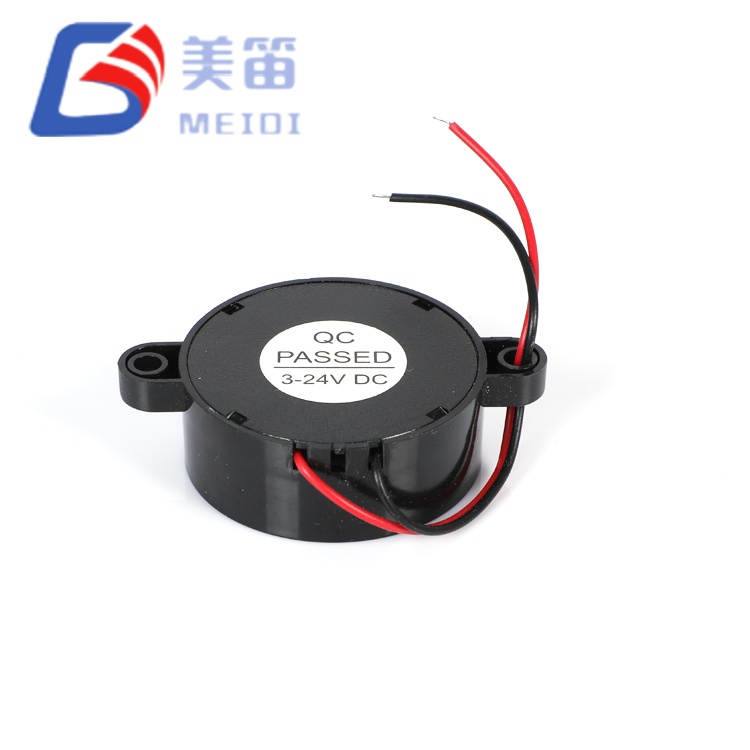
With advanced manufacturing technology and strict quality control, MEIDI provides professional piezoelectric buzzer solutions designed to meet different electrical, mechanical, and environmental requirements. From product design to customized solutions, reliable acoustic components help electronic devices achieve clearer alerts and better user interaction.
Table of Contents
- 1. What Is a Piezoelectric Buzzer?
- 2. How Does a Piezoelectric Buzzer Work?
- 3. Why Choose Piezoelectric Buzzers for Electronic Applications?
- 4. Where Are Piezoelectric Buzzers Commonly Used?
- 5. How to Select the Right Piezoelectric Buzzer?
- 6. Common Piezoelectric Buzzer Problems and Solutions
- 7. Piezoelectric Buzzer vs Traditional Electromagnetic Buzzer
- 8. Frequently Asked Questions
- 9. Conclusion
1. What Is a Piezoelectric Buzzer?
A piezoelectric buzzer is an electronic sound-generating device that converts electrical energy into mechanical vibration through the piezoelectric effect. Unlike traditional sound components that rely on electromagnetic coils, piezoelectric buzzers use piezoelectric ceramic materials that deform when voltage is applied.
This deformation creates mechanical movement, which produces sound waves through vibration. Because of its simple structure, low power consumption, and long service life, the piezoelectric buzzer has become an important component in many electronic products.
A typical piezoelectric buzzer consists of several key parts:
- Piezoelectric ceramic element: The core component responsible for converting electrical signals into mechanical vibration.
- Metal diaphragm: Amplifies vibration and generates audible sound.
- Housing: Protects internal components and improves acoustic performance.
- Electrode terminals: Provide electrical connection with the circuit.
The compact structure allows piezoelectric buzzers to be integrated into products where space, energy efficiency, and reliability are critical factors.
2. How Does a Piezoelectric Buzzer Work?
The working principle of a piezoelectric buzzer is based on the piezoelectric effect. Certain ceramic materials can generate mechanical deformation when an electric field is applied. This unique property allows electrical signals to become physical vibrations.
The working process can be divided into several steps:
- Electrical signal input: The control circuit sends an alternating voltage signal to the piezoelectric element.
- Material deformation: The piezoelectric ceramic changes shape according to the electrical signal.
- Mechanical vibration generation: The connected diaphragm vibrates rapidly.
- Sound wave production: The vibration creates pressure changes in the surrounding air, producing audible sound.
The frequency and voltage of the input signal directly influence the sound output. Engineers can adjust these parameters to achieve different tones, volumes, and alarm patterns.
| Parameter | Influence on Performance |
|---|---|
| Operating Voltage | Determines electrical requirements and sound output capability |
| Frequency | Affects sound pitch and acoustic characteristics |
| Sound Pressure Level | Determines how clearly the alarm can be heard |
| Size | Influences installation space and resonance performance |
| Operating Temperature | Affects reliability under different environments |
3. Why Choose Piezoelectric Buzzers for Electronic Applications?
Modern electronic products require components that provide reliable performance while reducing energy consumption and maintenance requirements. Piezoelectric buzzers offer several advantages compared with traditional sound devices.
- Low Power Consumption: Piezoelectric technology requires minimal electrical energy, making it suitable for battery-powered devices such as portable instruments and smart sensors.
- Long Operating Life: Without mechanical contacts or electromagnetic coils, piezoelectric buzzers experience less wear during continuous operation.
- Compact Design: Their small size allows easy installation in limited spaces.
- Fast Response: They can generate sound immediately after receiving electrical signals, making them suitable for warning systems.
- Stable Performance: They maintain consistent acoustic output under various operating conditions.
For manufacturers, choosing a reliable piezoelectric buzzer supplier can significantly improve product quality and reduce after-sales issues. MEIDI focuses on developing acoustic components that balance sound performance, durability, and application flexibility.
4. Where Are Piezoelectric Buzzers Commonly Used?
Piezoelectric buzzers are widely applied across multiple industries because of their reliability and efficiency. They provide sound alerts, notifications, and confirmation signals in various electronic systems.
| Industry | Application Examples |
|---|---|
| Consumer Electronics | Microwave ovens, washing machines, digital devices, smart appliances |
| Automotive Industry | Parking sensors, dashboard warning systems, vehicle alarms |
| Medical Equipment | Patient monitoring devices, diagnostic instruments, medical alarms |
| Industrial Equipment | Control panels, safety systems, automation equipment |
| Security Systems | Access control systems, alarm devices, monitoring equipment |
In industrial environments, clear and stable warning signals are essential for safety. Piezoelectric buzzers provide immediate audio feedback that helps operators quickly identify system conditions.
5. How to Select the Right Piezoelectric Buzzer?
Choosing a suitable piezoelectric buzzer requires consideration of electrical specifications, installation conditions, and application requirements. Selecting an unsuitable model may lead to insufficient volume, unstable operation, or shortened service life.
Important selection factors include:
- Rated Voltage: Confirm compatibility with the circuit power supply.
- Sound Output: Select appropriate sound pressure according to the application environment.
- Frequency Range: Choose a frequency that matches the required alert tone.
- Size Limitation: Ensure the buzzer fits the available installation space.
- Environmental Resistance: Consider temperature, humidity, dust, and vibration conditions.
Professional technical support can help manufacturers avoid common selection mistakes and achieve better product performance.
6. Common Piezoelectric Buzzer Problems and Solutions
| Problem | Possible Cause | Solution |
|---|---|---|
| No Sound Output | Incorrect voltage connection or damaged component | Check circuit connection and electrical specifications |
| Low Volume | Insufficient voltage or improper installation | Verify operating conditions and mounting method |
| Unstable Sound | Signal fluctuation or environmental interference | Improve circuit stability and installation design |
| Reduced Service Life | Excessive temperature or unsuitable application | Select a buzzer designed for the working environment |
7. Piezoelectric Buzzer vs Traditional Electromagnetic Buzzer
| Feature | Piezoelectric Buzzer | Electromagnetic Buzzer |
|---|---|---|
| Working Principle | Piezoelectric vibration | Electromagnetic movement |
| Power Consumption | Generally lower | Generally higher |
| Durability | Long service life | Mechanical wear may occur |
| Size | Compact structure | Usually larger |
| Applications | Electronic devices and precision equipment | General alarm applications |
8. Frequently Asked Questions
Q1: What voltage does a piezoelectric buzzer need?
The required voltage depends on the specific model. Different applications may require different operating voltages, so checking product specifications before installation is important.
Q2: Can a piezoelectric buzzer work continuously?
Yes. Many piezoelectric buzzers are designed for continuous operation, but operating conditions such as voltage, temperature, and frequency should remain within recommended limits.
Q3: Why is my piezoelectric buzzer volume too low?
Low volume may result from incorrect voltage, poor installation, insufficient resonance space, or unsuitable product selection.
Q4: How long can a piezoelectric buzzer last?
Because of its simple structure and limited mechanical wear, a high-quality piezoelectric buzzer can provide reliable long-term operation when used correctly.
Q5: Why choose MEIDI for piezoelectric buzzer solutions?
MEIDI provides professional acoustic component solutions with attention to product consistency, application requirements, and customer-specific needs.
9. Conclusion
Piezoelectric buzzers play an important role in modern electronic systems by providing efficient, reliable, and compact sound solutions. Their unique operating principle, low power consumption, and excellent durability make them suitable for a wide range of industries.
For manufacturers looking to improve product performance, selecting a dependable piezoelectric buzzer supplier is essential. MEIDI continuously develops high-quality acoustic components to support different application requirements, from consumer electronics to industrial equipment.
If you need customized piezoelectric buzzer solutions with stable performance, professional support, and reliable quality, please contact us today. MEIDI is ready to provide suitable acoustic solutions for your products and help you achieve better market competitiveness.