

How Does a Multicolor Indicator Light Enhance User Interface Design in Consumer Electronics and Appliances
2026-04-09
In modern consumer electronics and home appliances, user interface design determines how intuitively a user interacts with a device. A Multicolor Indicator Light is no longer just a power signal—it is a dynamic communication tool. Brands like YIJIA have pioneered the integration of Multicolor Indicator Light solutions into smart devices, turning simple status feedback into a seamless visual language. By replacing single-color LEDs with multi-color variants, designers can convey multiple states (standby, active, error, or connectivity) through one compact component.
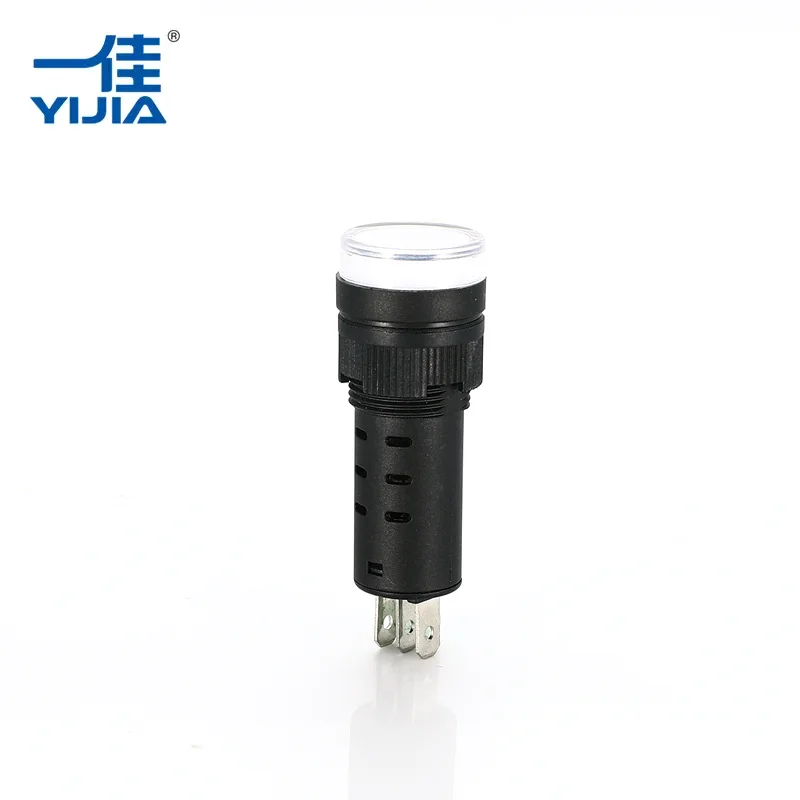
Core Benefits of Multicolor Indicator Lights in UI Design
| Aspect | Enhancement Provided by Multicolor Indicator Light | Example in Appliances |
|---|---|---|
| Information Density | One light shows several statuses (e.g., green=normal, yellow=warning, red=fault) | Air purifier filter replacement alert |
| User Cognitive Load | Color coding reduces need for reading manuals | Washing machine cycle phase indicator |
| Aesthetic Integration | Slim, customizable RGB lighting fits modern minimalism | Smart kettle heating and keep-warm modes |
| Accessibility | Color plus intensity pattern helps colorblind users | Microwave door lock and operation status |
Practical Applications in Consumer Electronics
A Multicolor Indicator Light improves error diagnosis. For instance, in a robotic vacuum, flashing blue means network connection in progress, solid blue means connected, and orange means low battery. This reduces user frustration. YIJIA has developed ultra-low power multicolor indicators that extend battery life in portable devices like wireless headphones and handheld fans.
Best Practices for UI Designers
-
Use consistent color meanings across product lines.
-
Combine short flashes for transitional states.
-
Ensure colors are visible under direct sunlight.
-
Provide an option to adjust brightness for bedroom appliances.
FAQ: Common Questions About Multicolor Indicator Light
Question 1: Can a Multicolor Indicator Light replace a small display screen in consumer products?
Answer: Yes, in many cases. A Multicolor Indicator Light effectively replaces simple screens for binary or tertiary states such as charging, charged, error, and standby. It lowers production costs, saves PCB space, and draws far less power. However, for showing numeric values or text, a screen is still needed. For devices like smart plugs, Bluetooth speakers, or air purifiers, a Multicolor Indicator Light combined with patterns offers sufficient user feedback without a full display.
Question 2: How do designers ensure colorblind users can still understand Multicolor Indicator Light signals?
Answer: Designers should pair color changes with blink rates or durations. For example, solid green might mean fully charged, slow blinking amber means charging, and fast blinking red means fault. This pattern-based coding works for all users, including those with color vision deficiencies. YIJIA offers programmable drivers that support independent control of color and flash pattern, making inclusive design easier to implement.
Question 3: What is the typical lifespan of a Multicolor Indicator Light in kitchen appliances exposed to heat and humidity?
Answer: High-quality Multicolor Indicator Light components, such as those from YIJIA, typically last 50,000 to 100,000 hours of operation. For kitchen appliances like ovens or rice cookers, additional sealing and thermal management are required. Industrial-grade multicolor indicators with epoxy encapsulation and heat-resistant housings can withstand up to 85°C and 90% relative humidity without lumen depreciation. Always check the datasheet for IP rating and operating temperature range.
Call for Smarter Design Solutions
A well-implemented Multicolor Indicator Light turns everyday electronics into intuitive, user-friendly tools. YIJIA specializes in customized multicolor indicator modules for consumer appliances and IoT devices. Contact us today to integrate advanced visual feedback into your next product design.