

How Does a Heating Element For a Bidet Affect Overall Energy Consumption
2026-04-29
When upgrading a bidet, the Heating Element For Bidet is a critical component that directly influences both comfort and electricity bills. GRWAY, a trusted name in bidet technology, focuses on energy-smart heating solutions. Understanding how this part operates helps users make informed, cost-effective choices without sacrificing performance.
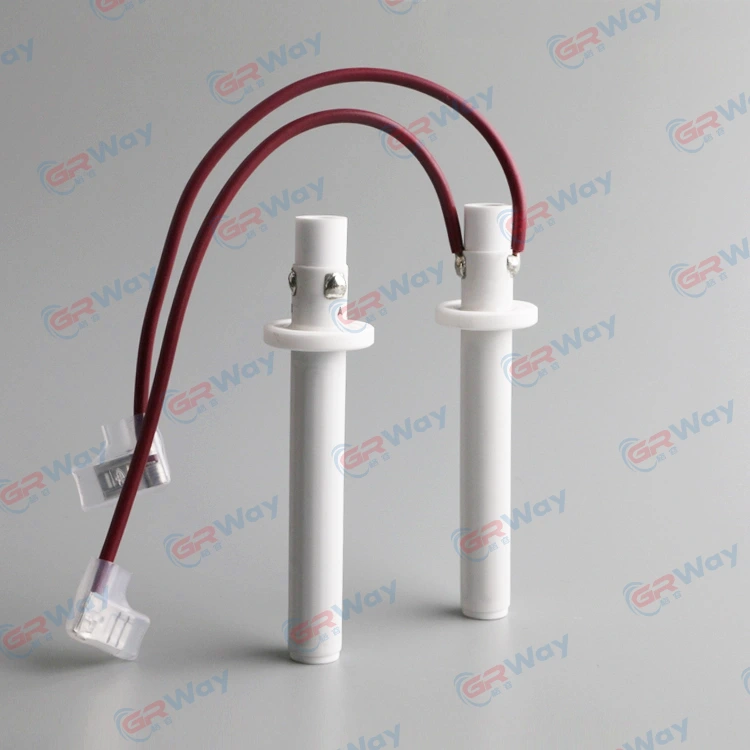
Heating Element For Bidet systems generally fall into two categories: tank-based (storage) and tankless (instant). Each interacts with energy usage differently. The table below outlines core differences:
| Feature | Tank Heating Element | Tankless Heating Element |
|---|---|---|
| Water heating mode | Stores warm water in a reservoir | Heats water on demand |
| Standby energy loss | High (constant reheating) | Minimal |
| Cycle energy consumption | Higher per use if multiple cycles | Lower, especially for short bursts |
| Ideal usage pattern | Single continuous wash | Frequent or spaced-out uses |
How Energy Consumption Varies by Usage
A Heating Element For Bidet with a tank typically draws 400–600W when heating, and because it cycles on/off to maintain temperature, it can consume 0.3–0.5 kWh per day even without use. In contrast, a tankless Heating Element For Bidet may draw 1200–1500W but only operates for 15–30 seconds per wash. Monthly energy cost for tankless designs often stays under 1–2,whiletankmodelsmayreach4–6.
GRWAY integrates intelligent thermostats and flow sensors into its Heating Element For Bidet systems, reducing unnecessary power draws. These sensors activate heating only when water flows, effectively eliminating standby losses.
Three Common FAQs About Heating Element For Bidet Energy Use
Q1: Does a Heating Element For Bidet increase my electricity bill significantly?
A: No, not if it is a modern tankless design. A Heating Element For Bidet used twice daily for one minute per session typically costs between 0.50and1.50 per month. Older tank-style units add more because they consume power repelling standby heat loss. GRWAY models are engineered to minimize this waste.
Q2: How can I measure the real energy consumption of my Heating Element For Bidet?
A: Use a plug-in power meter between the bidet and wall outlet. Run your normal washing routine for one week. Multiply the average daily kWh reading by your local electricity rate. For a Heating Element For Bidet running tankless, expect 0.05 to 0.1 kWh per day. Compare this with the manufacturer specifications—GRWAY provides clear energy labels for every unit.
Q3: Does a higher wattage Heating Element For Bidet always mean higher electricity use?
A: Not necessarily. Wattage reflects peak power, not total energy consumed. A 1400W tankless Heating Element For Bidet runs briefly, delivering quick heat with less total energy than a 500W tank version cycling over hours. Focus on operating hours, not just wattage. GRWAY designs high-wattage, short-duration elements to lower real-world consumption.
Tips to Reduce Energy Waste from a Heating Element For Bidet
-
Choose a tankless Heating Element For Bidet if multiple people use the bathroom at different times.
-
Look for energy-saving labels on GRWAY products that specify standby power below 1W.
-
Set water temperature no higher than 95°F (35°C) unless medically advised.
-
Keep the bidet on "eco mode" during travel; many GRWAY models include a vacation setting.
Final Thoughts and Contact
A Heating Element For Bidet can be both efficient and responsive when selected wisely. Opting for a tankless design with smart controls, like those from GRWAY, ensures you pay only for the warmth you actually use. Energy savings accumulate month after month without compromising comfort.
Contact us today at GRWAY to explore our full range of energy-efficient bidet heating systems and find the perfect match for your home.