

How Does a Fracturing Hose Ensure Safe and Efficient Fluid Transfer in Hydraulic Fracturing?
2026-03-13
Hydraulic fracturing operations rely heavily on specialized equipment capable of handling extreme pressures, abrasive materials, and demanding working environments. Among these critical components, the fracturing hose plays a key role in transporting high-pressure fluids between pumps, manifolds, and wellheads. Selecting the right hose and understanding how it works can significantly reduce operational risks, prevent costly downtime, and improve overall efficiency.
This article explains how fracturing hoses function, what materials and structures make them suitable for high-pressure applications, and how operators can choose the right hose for reliable performance in modern fracturing operations.
Article Summary
A fracturing hose is a heavy-duty flexible pipeline designed for hydraulic fracturing environments. It must withstand high pressure, abrasive proppant mixtures, chemical exposure, and rapid pressure fluctuations. Proper design, reinforcement layers, and durable materials allow the hose to safely transfer fracturing fluids between equipment. Understanding hose structure, performance parameters, and maintenance practices helps operators improve safety, extend service life, and maintain stable operations.
Table of Contents
- Introduction to Fracturing Hose Systems
- How a Fracturing Hose Works
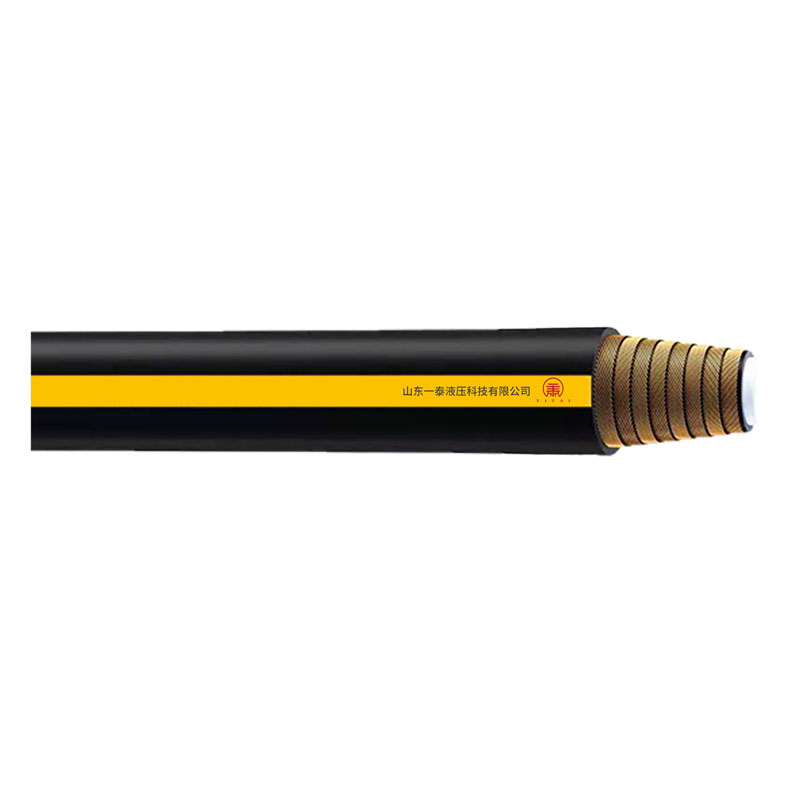
- Main Structural Components of a Fracturing Hose
- Key Technical Parameters to Consider
- Common Operational Challenges and Solutions
- Benefits of High-Quality Fracturing Hoses
- Maintenance and Inspection Guidelines
- Frequently Asked Questions
- Conclusion
Introduction to Fracturing Hose Systems
Hydraulic fracturing is a widely used technique in oil and gas extraction that involves injecting high-pressure fluid into underground formations to create fractures and improve hydrocarbon flow. The fluid mixture typically contains water, chemical additives, and proppants such as sand.
During the fracturing process, these fluids must be transported between multiple pieces of equipment including:
- High-pressure pumps
- Blender units
- Manifolds
- Wellhead connections
A fracturing hose serves as the flexible connection between these systems. Unlike rigid steel pipelines, hoses allow faster installation, easier movement of equipment, and greater adaptability in complex field layouts.
However, the demanding conditions of fracturing operations require hoses that can handle extremely high pressure and abrasive materials without failure.
How a Fracturing Hose Works
The primary function of a fracturing hose is to safely transport pressurized fracturing fluids while maintaining flexibility and structural integrity. The hose operates by combining multiple reinforcement layers with durable inner materials to resist pressure and abrasion.
The operational process typically includes the following stages:
- High-pressure pumps generate fluid pressure required for fracturing.
- The fracturing hose carries the fluid from pump units to the manifold or wellhead.
- The internal liner protects against chemical corrosion and abrasive proppant particles.
- Reinforcement layers distribute internal pressure evenly along the hose structure.
- The outer cover shields the hose from environmental damage and mechanical wear.
This layered design allows the hose to maintain flexibility while supporting extremely high working pressures required for hydraulic fracturing.
Main Structural Components of a Fracturing Hose
A high-quality fracturing hose typically consists of several specialized layers designed to handle demanding field conditions.
| Component | Function |
| Inner Tube | Provides resistance against chemicals, abrasive proppants, and fracturing fluids. |
| Reinforcement Layers | High-strength steel wire or textile braids support internal pressure and prevent expansion. |
| Intermediate Layer | Improves bonding between reinforcement and outer cover. |
| Outer Cover | Protects against weather, abrasion, oil, and mechanical damage. |
| End Fittings | Provide secure connections to pumps, manifolds, and wellhead equipment. |
The combination of these components ensures that the hose can withstand continuous high-pressure operations without leakage or structural damage.
Key Technical Parameters to Consider
When selecting a fracturing hose, operators must evaluate several performance parameters to ensure compatibility with their operational requirements.
| Parameter | Description |
| Working Pressure | The maximum pressure the hose can safely handle during operation. |
| Burst Pressure | The pressure level at which the hose will fail, typically several times higher than working pressure. |
| Temperature Range | Indicates the operating temperature limits of the hose materials. |
| Inner Diameter | Affects fluid flow capacity and pressure loss. |
| Flexibility | Determines how easily the hose can be routed in complex field layouts. |
| Abrasion Resistance | Protects against damage from sand and proppant particles. |
Manufacturers such as Yitai design fracturing hoses with reinforced structures and advanced materials to meet these demanding technical requirements.
Common Operational Challenges and Solutions
Hydraulic fracturing operations present several challenges that can impact hose performance. Understanding these issues allows operators to implement effective preventive measures.
1. Abrasive Wear
Proppant materials carried in fracturing fluid can cause internal abrasion. Using hoses with reinforced inner tubes significantly reduces wear.
2. Extreme Pressure Surges
Pressure fluctuations during pumping cycles can stress hose structures. High-strength reinforcement layers help distribute these forces evenly.
3. Harsh Environmental Conditions
Field environments often include extreme temperatures, sunlight exposure, and mechanical impacts. A durable outer cover improves resistance against these factors.
4. Connection Failures
Improperly installed fittings may cause leaks or sudden disconnections. Using professionally engineered hose assemblies minimizes this risk.
Benefits of High-Quality Fracturing Hoses
Investing in reliable fracturing hoses provides several operational advantages:
- Improved safety in high-pressure operations
- Reduced risk of equipment failure
- Lower maintenance and replacement costs
- Better flexibility in equipment layout
- Higher efficiency in fluid transfer
Advanced hose manufacturing techniques used by companies like Yitai ensure consistent performance and reliability under demanding field conditions.
Maintenance and Inspection Guidelines
Proper maintenance plays a crucial role in extending the service life of fracturing hoses. Operators should implement regular inspection routines to detect early signs of wear or damage.
- Inspect hoses for cracks, bulges, or external abrasion
- Check fittings and connections for leaks
- Monitor pressure levels during operation
- Store hoses in dry and shaded environments when not in use
- Replace hoses showing significant wear or deformation
Routine inspection helps prevent unexpected failures and ensures continuous operation during fracturing projects.
Frequently Asked Questions
Q1: What pressure levels can a fracturing hose handle?
Most fracturing hoses are designed to withstand extremely high pressures, often reaching several thousand PSI depending on the hose design and reinforcement structure.
Q2: Why is flexibility important for fracturing hoses?
Flexibility allows hoses to adapt to complex equipment arrangements in fracturing sites, making installation faster and reducing the need for rigid piping.
Q3: How often should fracturing hoses be inspected?
Hoses should be inspected before each operation and periodically during extended projects to ensure there are no signs of damage or structural weakness.
Q4: What materials are commonly used in fracturing hoses?
Common materials include synthetic rubber inner tubes, steel wire reinforcement layers, and abrasion-resistant outer covers designed for harsh industrial environments.
Conclusion
Fracturing hoses are essential components in hydraulic fracturing systems, enabling the safe and efficient transfer of high-pressure fluids between critical equipment. Their specialized construction allows them to withstand extreme pressure, abrasive materials, and challenging environmental conditions.
Choosing the right hose design, understanding key technical parameters, and maintaining proper inspection routines are vital steps for ensuring operational safety and efficiency.
Yitai focuses on developing high-performance hydraulic hose solutions engineered for demanding industrial applications. If you are looking for reliable fracturing hose products designed for durability and high-pressure performance, contact us today to learn more about customized solutions and professional technical support.