

How Does a Factory Control Box Support Industrial Automation Systems?
2026-01-05
Article Summary
A factory control box is a core component in industrial automation environments, responsible for centralized control, power distribution, signal processing, and equipment protection. This article explores how a factory control box operates, how it is configured, and how it adapts to evolving manufacturing requirements. The content focuses on technical parameters, real-world industrial use cases, and practical selection guidance, while addressing common technical questions encountered by engineers and procurement professionals.
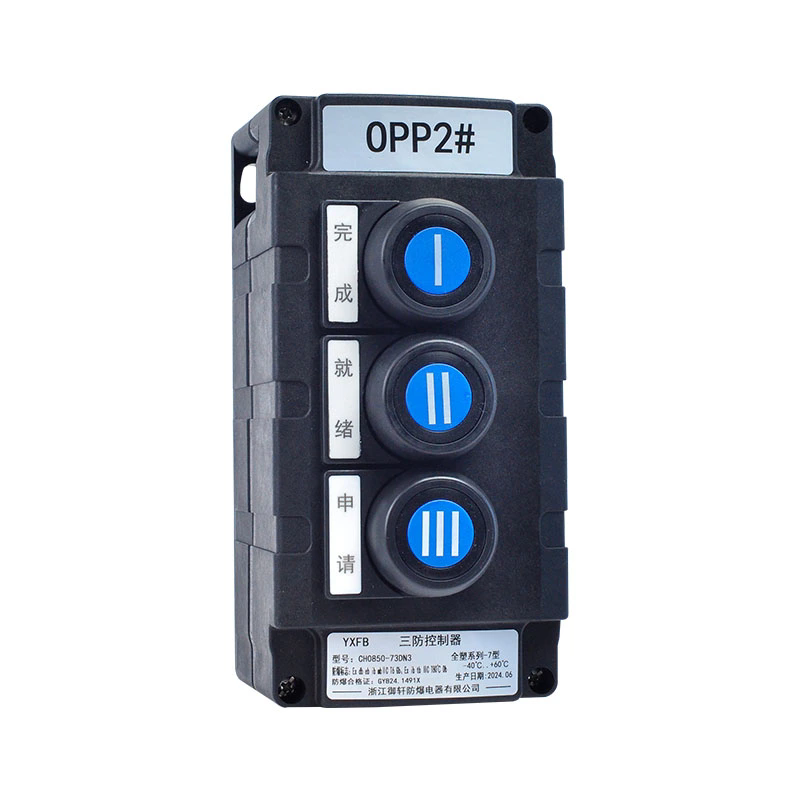
Table of Contents
- How Is a Factory Control Box Defined in Industrial Systems?
- How Are Factory Control Box Parameters Configured?
- How Do Factory Control Boxes Perform in Real Applications?
- How Should Common Factory Control Box Questions Be Addressed?
Outline
- Definition and functional positioning
- Technical structure and electrical parameters
- Application scenarios across industries
- Operational FAQs and troubleshooting logic
How Is a Factory Control Box Defined in Industrial Systems?
A factory control box, also referred to as an industrial control cabinet or electrical control box, is an enclosed system designed to house electrical and electronic components used for automation control. It integrates power input modules, control units, protection devices, and terminal interfaces to ensure coordinated operation of industrial machinery.
In automated production lines, factory control boxes act as the central nervous system, enabling communication between programmable logic controllers (PLCs), sensors, actuators, variable frequency drives, and human-machine interfaces (HMIs). Their design prioritizes electrical safety, environmental protection, and system stability under continuous operation.
From discrete manufacturing to process industries, factory control boxes are deployed in environments where voltage regulation, signal integrity, and equipment isolation are critical to maintaining operational continuity.
How Are Factory Control Box Parameters Configured?
The technical configuration of a factory control box directly determines its compatibility, scalability, and reliability. Parameters are selected based on electrical load requirements, control complexity, and environmental conditions.
| Parameter Category | Specification Range | Technical Description |
|---|---|---|
| Rated Voltage | AC 220V / 380V / 480V | Supports regional industrial power standards |
| Control Voltage | DC 24V / AC 110V | Used for PLCs, relays, and signaling circuits |
| Ingress Protection | IP54 – IP65 | Protection against dust, moisture, and splashing |
| Enclosure Material | Cold-rolled steel / Stainless steel | Mechanical strength and corrosion resistance |
| Cooling Method | Natural ventilation / Forced air | Thermal management for long-term operation |
Beyond these parameters, internal layout design emphasizes separation of power and signal wiring to reduce electromagnetic interference. Modular component placement also allows easier maintenance and future expansion.
How Do Factory Control Boxes Perform in Real Applications?
Factory control boxes are widely applied across manufacturing sectors, including automotive assembly, food processing, chemical plants, logistics automation, and energy systems. In conveyor-based production lines, they coordinate motor control and sensor feedback to maintain synchronized material flow.
In process control environments, such as water treatment facilities, factory control boxes manage pumps, valves, and monitoring instruments, ensuring stable process variables. Their enclosed structure protects sensitive electronics from harsh industrial conditions, including dust, humidity, and temperature fluctuations.
As industrial systems increasingly adopt digitalization, factory control boxes also integrate industrial communication protocols such as Modbus, Profibus, and Ethernet/IP, enabling real-time data exchange and remote monitoring.
How Should Common Factory Control Box Questions Be Addressed?
How does a factory control box differ from a distribution box?
A factory control box focuses on logic control, signal processing, and automation coordination, while a distribution box primarily handles power allocation without control logic.
How is heat managed inside a factory control box?
Heat is controlled through proper component spacing, ventilation design, cooling fans, or heat exchangers depending on internal power dissipation and ambient conditions.
How can compatibility with existing automation systems be ensured?
Compatibility is achieved by selecting standardized control voltages, communication protocols, and modular components aligned with the existing system architecture.
How often should a factory control box be inspected?
Routine inspection schedules typically include quarterly visual checks and annual electrical testing to ensure wiring integrity and component performance.
References
- IEC 60204-1: Safety of Machinery – Electrical Equipment
- NEMA Industrial Control Standards
- IEEE Industrial Automation Guidelines
In industrial automation projects, selecting a reliable factory control box supplier plays a decisive role in system stability and long-term performance. YXFB delivers factory control box solutions engineered to meet diverse industrial standards, supporting customization across voltage levels, enclosure types, and control architectures.
For project consultation, technical specifications, or tailored control solutions, contact us to discuss how YXFB factory control boxes can support your automation objectives.