

How Does a DC1000V 63A Molded Case Circuit Breaker Improve Safety in High Voltage DC Applications
2026-04-08
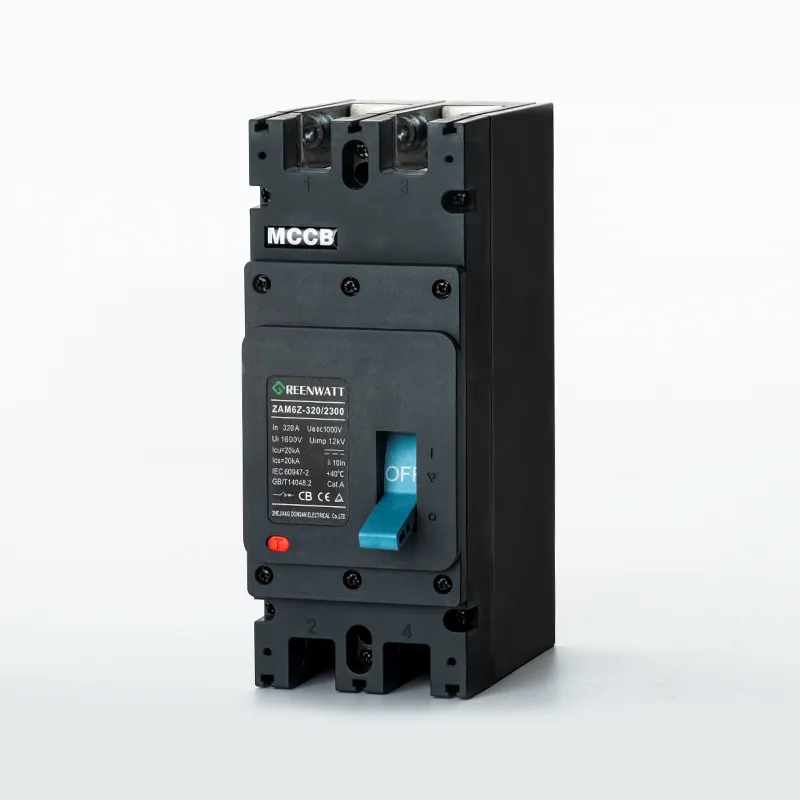
High voltage DC circuits, especially in solar farms and battery storage systems, present unique arc flash and overcurrent risks. The DC1000V 63A Molded Case Circuit Breaker from Greenwatt is engineered to address these hazards directly. Unlike AC breakers, this device ensures reliable interruption of DC current, preventing equipment damage and operator injury.
Why DC Arc Interruption is Critical
In DC systems, current flows continuously without a natural zero crossing. This makes extinguishing an electrical arc extremely difficult. The DC1000V 63A Molded Case Circuit Breaker uses advanced blowout coils and arc chutes to stretch and cool the arc until it dissipates. This technology reduces fire risk and protects downstream components.
Key Safety Features Comparison
| Feature | Standard AC Breaker | Greenwatt DC1000V 63A MCCB |
|---|---|---|
| Arc extinction mechanism | Relies on AC zero crossing | Magnetic blowout + arc chute |
| Polarity sensitivity | None | Mandatory marked polarity |
| Isolation voltage rating | 690V AC typical | 1000V DC |
| Short circuit breaking capacity | 10kA AC | Up to 25kA DC |
Common Applications
-
Photovoltaic string protection
-
DC combiner boxes
-
EV charging stations
-
Industrial battery racks
How Polarity Enhances Safety
DC breakers require correct polarity to quench arcs. The DC1000V 63A Molded Case Circuit Breaker features clearly marked positive and negative terminals. If polarity is reversed, the arc may travel toward the operator. Greenwatt labels each terminal and includes a reverse polarity warning, ensuring installers avoid this lethal mistake.
DC1000V 63A Molded Case Circuit Breaker FAQ
What happens if I use a standard AC breaker in a DC1000V circuit?
Using an AC breaker in a DC circuit is extremely dangerous. AC breakers rely on the current dropping to zero 100 or 120 times per second to extinguish the arc. DC current never drops to zero, so the arc will persist, melting contacts and potentially igniting a fire. Greenwatt DC1000V 63A Molded Case Circuit Breaker is specifically designed with permanent magnets and arc splitters to force DC arc extinction, ensuring safe interruption.
How does the DC1000V 63A Molded Case Circuit Breaker prevent arc flash injuries during maintenance?
This breaker provides visible contact indication and padlockable handles. When the breaker trips or is manually switched off, the contacts physically separate and remain open until reset. Greenwatt models include a window showing contact status (red for open, green for closed). This mechanical indication prevents accidental re-energization. Additionally, the arc chamber is fully sealed, directing any residual arc energy away from the user, complying with NFPA 70E arc flash boundaries.
Can I connect multiple DC1000V 63A Molded Case Circuit Breakers in series for higher reliability?
Connecting two identical DC1000V 63A Molded Case Circuit Breakers in series is not recommended for routine overcurrent protection. However, Greenwatt supports series connection only for redundancy in critical systems like data center battery strings. If implemented, both breakers must be rated identically and tested together per IEC 60947-2. The series combination does not increase voltage rating beyond 1000V. For higher system voltages, use a single Greenwatt breaker with the correct voltage rating instead of series connection.
Maintenance and Testing
Periodic testing confirms the breaker’s trip mechanism functions correctly. Greenwatt recommends a manual trip test every six months using the built-in push-to-trip button. This verifies mechanical linkage and arc chamber integrity without exposing live parts.
Contact Us
For technical datasheets, custom DC panels, or engineering support on the DC1000V 63A Molded Case Circuit Breaker, reach out to the Greenwatt team today. Visit our contact page to request a quote or schedule a safety consultation with our DC power specialists. Your project safety starts with the right protection.