

How Does a Core Board Work in Embedded Systems?
2026-07-01
Abstract
A Core Board is a compact, high-performance embedded computing module that integrates essential processing units such as CPU, memory, power management, and peripheral interfaces. It serves as the central computing foundation for a wide range of industrial and commercial devices. This article explores how a Core Board works, its internal architecture, practical applications, and how to select the right solution for different embedded system needs. It also addresses common challenges engineers face when integrating Core Boards into products and provides practical guidance to improve system reliability and performance.
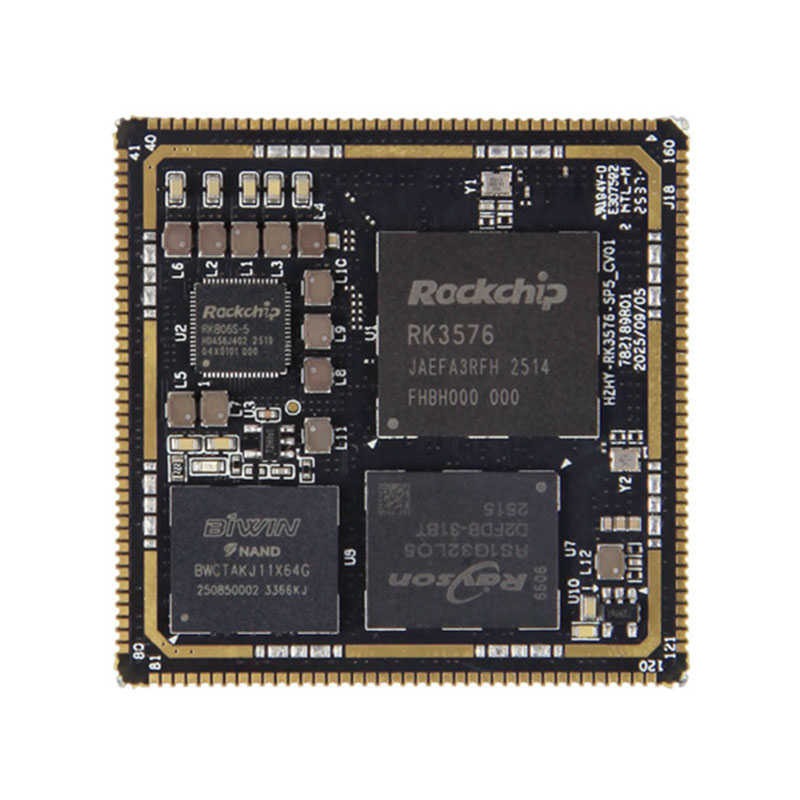
Table of Contents
What is a Core Board?
A Core Board is a highly integrated embedded computing module designed to simplify system development. Instead of designing a full computing system from scratch, engineers can integrate a Core Board into their product to handle processing tasks efficiently. It typically includes a system-on-chip (SoC), RAM, flash storage, clock circuits, and power regulation components.
The Core Board acts as the “brain” of an embedded system, while a separate carrier board provides application-specific interfaces such as sensors, displays, communication ports, and industrial connectors.
Core Board Architecture
The architecture of a Core Board is optimized for compactness, performance, and scalability. Below are its major components:
- Processor (CPU/SoC): Executes instructions and manages system operations.
- Memory (RAM): Temporary data storage for active processes.
- Storage (eMMC / NAND / NOR Flash): Stores firmware, OS, and applications.
- Power Management Unit (PMU): Ensures stable voltage regulation.
- Clock System: Provides synchronization signals for processing accuracy.
- High-Speed Interfaces: Includes PCIe, USB, UART, SPI, I2C, and Ethernet.
This modular architecture allows developers to focus on application-level design rather than low-level hardware engineering.
Key Features of Core Boards
| Feature | Description | Benefit |
|---|---|---|
| Compact Design | Highly integrated form factor | Saves PCB space in final products |
| High Performance | Advanced multi-core processors | Supports complex computing tasks |
| Scalability | Compatible with multiple carrier boards | Flexible product development |
| Low Power Consumption | Optimized energy management | Suitable for embedded and IoT devices |
| Industrial Stability | Designed for harsh environments | Reliable long-term operation |
Applications Across Industries
Core Boards are widely used in modern embedded systems across multiple industries due to their flexibility and processing efficiency.
- Industrial automation and robotics
- Smart medical devices
- AI edge computing systems
- Smart home and IoT gateways
- Transportation and vehicle control systems
- Consumer electronics and multimedia devices
These applications require stable real-time processing, making Core Boards an ideal foundation for embedded product design.
How to Select the Right Core Board
Choosing the right Core Board depends on both technical requirements and product constraints. Engineers must evaluate several critical factors:
- Processor Performance: Match CPU capability with workload requirements.
- Memory Capacity: Ensure sufficient RAM and storage for applications.
- Interface Requirements: Confirm compatibility with sensors and peripherals.
- Operating Environment: Consider temperature, humidity, and vibration tolerance.
- Software Ecosystem: Evaluate OS support and driver availability.
A well-chosen Core Board can significantly reduce development time and improve system reliability.
Common Integration Challenges
Despite their advantages, integrating Core Boards into embedded systems can present several challenges:
- Signal integrity issues in high-speed interfaces
- Power supply instability during peak loads
- Thermal management constraints in compact enclosures
- Driver compatibility and OS optimization difficulties
- Carrier board design complexity
Addressing these challenges requires careful hardware-software co-design and proper vendor support.
Core Board vs Traditional Embedded Design
| Aspect | Core Board Solution | Traditional Design |
|---|---|---|
| Development Time | Short | Long |
| Design Complexity | Low | High |
| Customization | Moderate to High | Very High but resource-intensive |
| Cost Efficiency | Optimized | Higher initial cost |
| Scalability | Strong modular scalability | Limited flexibility |
Shenzhen Thinkcore Technology Co.,Ltd. Solutions
Shenzhen Thinkcore Technology Co.,Ltd. specializes in designing and manufacturing high-performance Core Boards for industrial and commercial applications. With a strong engineering foundation and advanced production capabilities, the company delivers reliable embedded computing platforms tailored for diverse application scenarios.
Their Core Board solutions are engineered to provide stability, scalability, and long lifecycle support. Developers can accelerate product development by leveraging standardized yet flexible computing modules.
FAQ
Q1: What makes a Core Board different from a single-board computer?
A Core Board is typically used with a custom carrier board, while a single-board computer is a complete standalone system. Core Boards offer greater customization flexibility.
Q2: Can Core Boards be used in industrial environments?
Yes. Many Core Boards are designed with industrial-grade components to withstand harsh conditions such as extreme temperatures and vibration.
Q3: Is software development required for Core Boards?
Yes. Developers typically configure operating systems, drivers, and application software based on the target use case.
Q4: What industries benefit most from Core Boards?
Industries such as automation, healthcare, IoT, and AI edge computing benefit significantly from Core Board integration.
Conclusion & Contact
Core Boards are a foundational component in modern embedded system design, enabling faster development cycles, improved scalability, and robust computing performance. By abstracting complex hardware design into modular solutions, they allow engineers to focus on innovation and application development.
Whether you are developing industrial control systems or intelligent IoT devices, selecting the right Core Board is critical for success. With advanced engineering capabilities and reliable product quality, Shenzhen Thinkcore Technology Co.,Ltd. provides solutions that meet demanding technical requirements across industries.
If you are looking for customized embedded solutions or want to explore collaboration opportunities, contact us today and let our engineering team support your project from concept to production.