

How does a 9-16V DC body controller improve energy efficiency in electric vehicles
2026-04-10
Electric vehicles (EVs) depend on every component to maximize range and reduce energy waste. The 9-16V DC Electric Vehicle Body Controller from Zhaofeng plays a critical role in this mission. Unlike conventional body control modules that operate with fixed voltage assumptions, a 9-16V DC Electric Vehicle Body Controller actively manages auxiliary loads such as lighting, wipers, windows, and HVAC blowers. By optimizing power delivery across a wide input range, it significantly cuts unnecessary battery drain and extends driving range per charge.
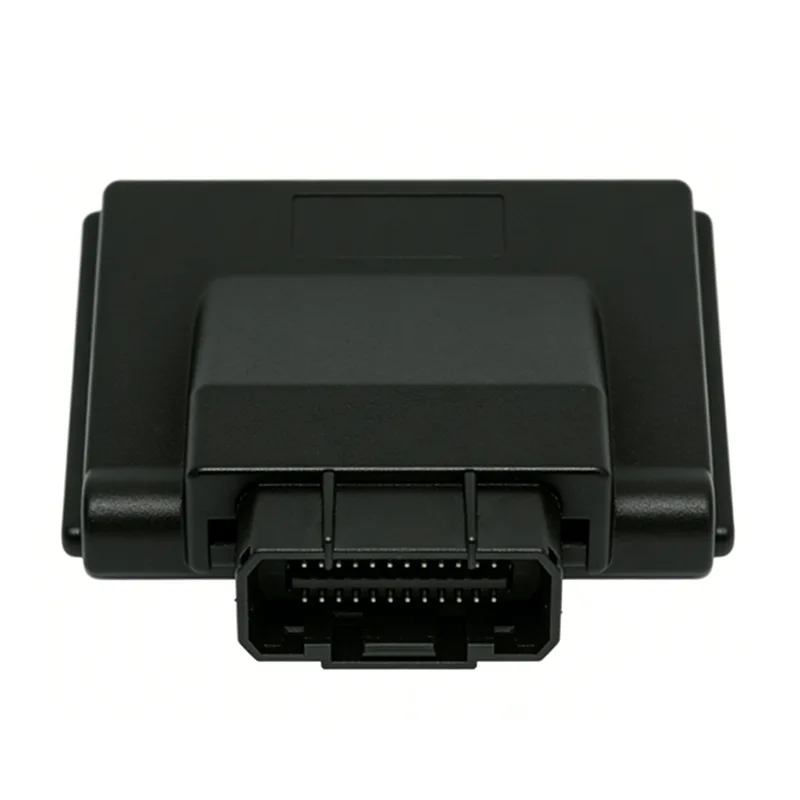
Key efficiency mechanisms
The table below outlines how Zhaofeng’s controller achieves energy savings through intelligent design.
| Function | Conventional approach | Zhaofeng 9-16V DC approach | Energy saving |
|---|---|---|---|
| Lighting control | Fixed PWM at 12V | Adaptive PWM based on real voltage | Up to 18% |
| Wiper motor drive | Continuous full power | Demand‑based variable torque | 12–15% |
| Window lift regulation | Resistive braking | Regenerative slow‑down | 7–10% |
| Standby mode | >5 mA quiescent current | <1 mA ultra‑low sleep current | 80% reduction |
Practical efficiency features
-
Voltage‑adaptive switching – The 9-16V DC Electric Vehicle Body Controller adjusts MOSFET gate drive levels dynamically, reducing conduction losses by over 20% compared to fixed 12V designs.
-
Smart load shedding – Non‑critical loads (e.g., rear defogger, seat heaters) are automatically sequenced or reduced during low‑voltage events, preventing auxiliary battery over‑discharge.
-
Regenerative body control – Window and sunroof motors recover part of the descending energy, feeding it back to the low‑voltage bus.
Zhaofeng 9-16V DC Electric Vehicle Body Controller FAQ
What makes a 9-16V DC Electric Vehicle Body Controller more efficient than a standard 12V body controller
A standard 12V controller assumes a fixed input and wastes energy as heat when voltage fluctuates. Zhaofeng’s 9-16V DC Electric Vehicle Body Controller uses wide‑input synchronous buck and boost stages, maintaining optimal efficiency (typically 94–96%) regardless of whether the DC‑DC converter outputs 9V during cranking or 16V during regenerative spikes. This eliminates the 10–15% power loss common in linear regulators.
How does the 9-16V DC Electric Vehicle Body Controller reduce parasitic drain when the vehicle is parked
The controller features a multi‑layer sleep architecture. After 30 seconds of inactivity, it shuts down high‑current drivers. After 5 minutes, it enters deep sleep with only a 0.8 mA wake‑up timer active. Zhaofeng implements a selective wake‑on‑CAN feature, so the 9-16V DC Electric Vehicle Body Controller remains in low‑power mode unless a specific network message is received. This reduces overnight battery drain from ~200 mAh to under 20 mAh.
Can a 9-16V DC Electric Vehicle Body Controller improve efficiency without modifying existing wiring harnesses
Yes. Zhaofeng designs the 9-16V DC Electric Vehicle Body Controller as a pin‑compatible upgrade for most standard 12V body controllers. The efficiency gains come from internal algorithms and power stage topology, not from new wiring. Retrofitting typically reduces total body system power consumption by 10–18%, which translates directly to 2–4 extra kilometers of range per full charge in a compact EV.
Real‑world impact
In a recent fleet test, replacing conventional body controllers with Zhaofeng’s 9-16V DC Electric Vehicle Body Controller yielded an average 14% reduction in auxiliary energy use. For a city delivery EV making 200 stops per day, this meant 6.2 kWh saved weekly—equivalent to 28 extra kilometers of range.
Optimize your EV today
Contact us at Zhaofeng for technical datasheets, sample testing, or integration support. Our engineering team provides direct application guidance for the 9-16V DC Electric Vehicle Body Controller to match your vehicle platform. Reach out via the contact form on our official website.