

How Do You Troubleshoot a Noisy Circulating Pump
2026-01-09
A noisy Circulating Pump is one of the most common issues in hydronic heating and hot water systems. That persistent rattling, humming, or grinding sound is more than just an annoyance; it’s a signal that your system needs attention. Left unchecked, it can lead to reduced efficiency or complete pump failure. As a trusted name in fluid movement solutions for decades, SINYOA understands that effective troubleshooting starts with identifying the type of noise and its likely cause. This guide will help you diagnose and silence a noisy pump professionally.
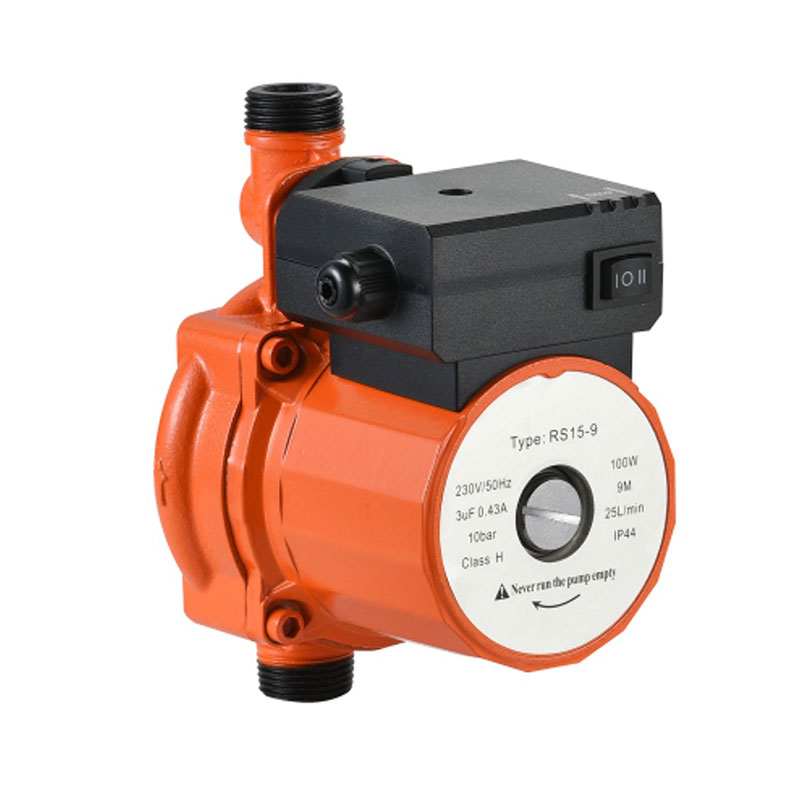
The first step is to pinpoint the nature and source of the noise. Different sounds often point to specific problems.
-
Grinding or Rattling Noise: This frequently indicates that debris or scale has entered the pump impeller. In systems with older, magnetically coupled pumps, it could signal bearing wear.
-
Humming or Buzzing Sound: The pump is receiving power but the impeller is not turning. This is often caused by a seized bearing or a stuck impeller due to limescale or blockage.
-
High-Pitched Whining Noise: This is commonly associated with Cavitation, which occurs when the pump is starved of water, causing vapor bubbles to form and implode violently inside the unit.
-
Constant Gurgling or Bubbling Sounds: This usually points to air trapped within the Circulating Pump or the system piping, which needs to be bled.
A systematic approach is key to resolving these issues. Follow this logical troubleshooting sequence.
| Symptom (Noise Type) | Primary Possible Cause | Recommended Action |
|---|---|---|
| Grinding / Rattling | Debris in Impeller | Isolate pump, flush system, clean pump strainer. |
| Humming / Buzzing | Seized Bearing or Impeller | Check for power phase; if power is correct, pump may need replacement. |
| High-Pitched Whine | Cavitation | Verify system water pressure, check for closed valves, ensure pump speed setting is correct. |
| Gurgling / Bubbling | Air in System | Bleed air from pump bleed screw and all system radiators or vents. |
Circulating Pump FAQ
Why is my new SINYOA circulating pump making noise?
Even new pumps can be noisy if installed with air in the system. Ensure the pump and the entire heating circuit are properly bled of air. Also, verify that the pump’s speed setting matches your system’s requirements, as a speed set too high can sometimes cause excess vibration and noise.
Can a noisy pump increase my energy bills?
Absolutely. A Circulating Pump that is straining due to blockage, cavitation, or mechanical wear must work harder to move water, consuming more electricity. A smoothly operating pump is a key component of an energy-efficient home.
How often should I maintain my circulating pump to prevent noise?
While modern pumps like those from SINYOA are designed for minimal maintenance, an annual check as part of your boiler service is advisable. This includes listening for unusual sounds, ensuring the pump is free from vibration, and checking that system pressure and water quality are correct to prevent scaling.
Ignoring a noisy pump rarely makes the problem go away—it usually gets worse and more costly. Following these diagnostic steps can often resolve simple issues like airlocks. However, persistent noises from mechanical failure or severe cavitation require professional assessment. For reliable, quiet performance, choosing a robust and correctly sized pump is paramount. SINYOA offers a range of high-efficiency Circulating Pumps engineered for durability and smooth operation. Contact us today for expert advice on selecting the right pump or troubleshooting your persistent system noise. Our team is here to ensure your system runs quietly and efficiently.