

How Do You Safely Dispose of a Spent Li-SOCL2 Battery According to Environmental Regulations
2026-05-18
Disposing of a Li-SOCL2 Battery requires strict adherence to environmental regulations due to its lithium metal content and corrosive thionyl chloride electrolyte. VCELL POWER, a trusted manufacturer of high-energy primary lithium batteries, emphasizes that improper disposal can lead to fires, soil contamination, and legal penalties. This guide outlines regulatory-compliant methods for safe end-of-life handling.
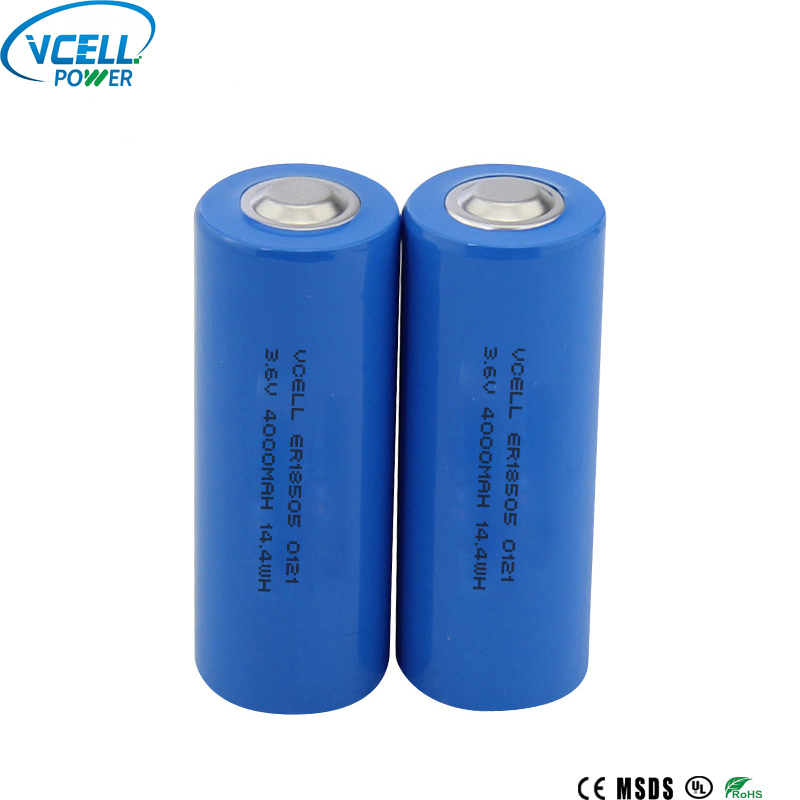
Why Special Disposal Is Mandatory for Li-SOCL2 Batteries
A Li-SOCL2 Battery contains metallic lithium, which reacts violently with moisture, and thionyl chloride, a hazardous liquid. Landfill disposal is banned in most regions under universal waste rules (e.g., US EPA 40 CFR Part 273, EU Battery Directive 2006/66/EC). Recycling prevents thermal runaway and recovers valuable materials.
Safe Disposal Steps by Regulatory Framework
| Region | Regulation | Approved Disposal Method |
|---|---|---|
| United States | EPA Universal Waste | Send to a permitted lithium battery recycler via a hazardous waste transporter |
| European Union | Directive 2006/66/EC | Return to retailer or drop off at designated battery collection points |
| China | GB/T 36547-2018 | Use licensed e-waste facilities; no incineration |
| International | UN 3090 (Class 9) | Dispose only after full discharge and terminal insulation |
Practical Safe Handling Procedure
-
Discharge completely – Connect a resistor (10–100Ω) across terminals in a well-ventilated area to deplete residual energy.
-
Insulate terminals – Apply non-conductive tape (e.g., Kapton or electrical tape) to prevent short circuits.
-
Use original packaging – Place the Li-SOCL2 Battery in its original box or a UN-certified lithium battery bag.
-
Label as “Hazardous Waste – Lithium Battery” – Include date and weight.
-
Contact certified recycler – Search “lithium battery recycling near me” or consult VCELL POWER’s recycling partner network.
Li-SOCL2 Battery FAQ: Common Questions on Safe Disposal
Q1: Can I throw a Li-SOCL2 Battery in my regular household trash bin?
A1: No. Under EPA and EU rules, any Li-SOCL2 Battery is classified as hazardous waste because its electrolyte (thionyl chloride) is toxic and corrosive. Disposal in household trash risks landfill fires and leaching of cobalt, lithium, and chloride compounds into groundwater. Violators can face fines up to $70,000 per day in the US. Always bring spent units to a battery recycling drop-off or send them to a certified recycler.
Q2: What happens if a Li-SOCL2 Battery is accidentally crushed or punctured before disposal?
A2: A crushed or punctured Li-SOCL2 Battery will release thionyl chloride vapors, which react with moisture in the air to form hydrochloric and sulfurous acid fumes. Immediate evacuation and professional hazmat handling are required. Do not touch leaking batteries with bare hands. Place the damaged unit inside a dry plastic container filled with vermiculite or sand, seal it, and contact a hazardous waste disposal service. VCELL POWER recommends using a leak-proof secondary containment for any transport.
Q3: Are there any recycling facilities that specifically accept Li-SOCL2 batteries from individuals or small businesses?
A3: Yes, but availability is limited. Unlike alkaline or Li-ion, Li-SOCL2 Battery recycling requires facilities equipped to handle reactive lithium metal and organic electrolytes. In North America, Call2Recycle accepts limited quantities via mail-back kits (check their list). In Europe, Stibat and ERP Services include primary lithium batteries. Small businesses should consolidate spent units and use a vendor like Battery Recyclers of America or VCELL POWER’s take-back program for bulk volumes. Always call ahead to confirm acceptance of Li-SOCL2 chemistry.
Best Practices to Minimize Disposal Frequency
| Strategy | Benefit |
|---|---|
| Use high-capacity Li-SOCL2 Battery (e.g., from VCELL POWER) | Longer shelf life (10+ years) reduces disposal events |
| Implement battery rotation in low-drain devices | Even usage prevents premature failure |
| Record installation dates | Avoid time-based unnecessary replacement |
Contact us at VCELL POWER for certified disposal guidance, bulk recycling logistics, or to request our Material Safety Data Sheet (MSDS) for Li-SOCL2 Battery products. Our team provides compliance documentation and region-specific disposal vendor lists. Reach out via our website or customer support hotline to ensure your end-of-life batteries meet all environmental regulations safely.