

How Do Solar Photovoltaic Panels PCB Improve Solar Energy System Performance?
2026-08-31
Article Summary:
Solar photovoltaic technology has become a key solution for clean energy generation, but the performance of a solar system depends on more than just photovoltaic cells. Solar Photovoltaic Panels PCB plays an important role in electrical connection, power management, signal control, and system reliability. A properly designed PCB helps solar equipment operate efficiently under challenging outdoor conditions, including high temperatures, humidity, voltage fluctuations, and long-term exposure to sunlight.
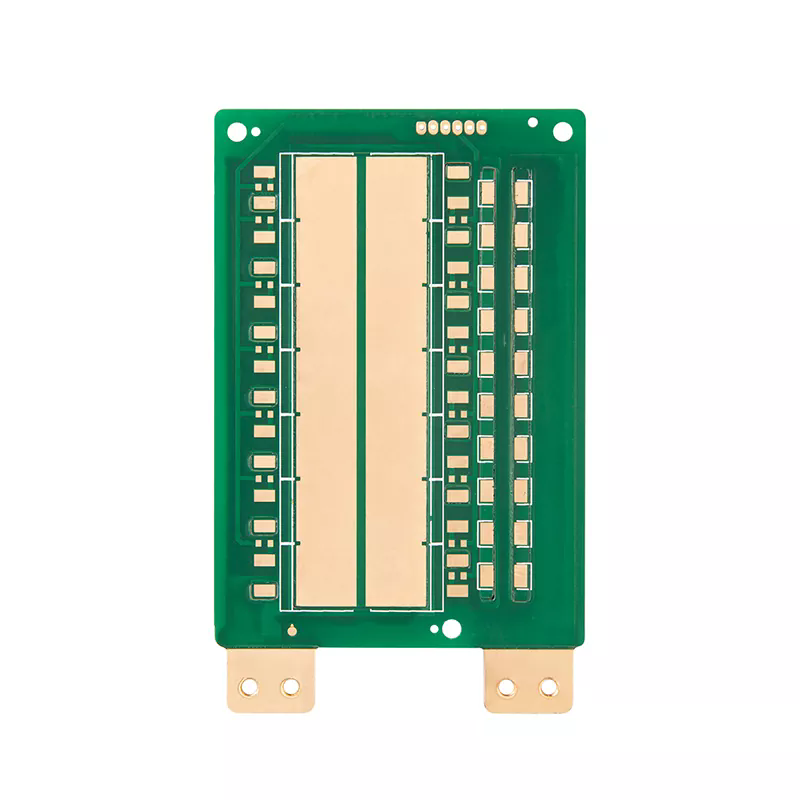
This article explains how Solar Photovoltaic Panels PCB works, why it is essential for modern solar applications, what challenges manufacturers need to overcome, and how businesses can select a reliable PCB partner. With advanced manufacturing experience, Shenzhen Aisen Electronics Co., Ltd. provides customized PCB solutions designed for renewable energy applications and demanding industrial environments.
Table of Contents
- 1. Introduction to Solar Photovoltaic Panels PCB
- 2. How Solar Photovoltaic Panels PCB Works
- 3. Key Components Used in Solar Photovoltaic Panels PCB
- 4. Why Solar Photovoltaic Panels PCB Is Important
- 5. Important Design Requirements for Solar PCB Applications
- 6. Comparison Between Standard PCB and Solar Photovoltaic Panels PCB
- 7. Manufacturing Process of Solar Photovoltaic Panels PCB
- 8. Frequently Asked Questions
1. Introduction to Solar Photovoltaic Panels PCB
Solar energy systems convert sunlight into usable electrical power through photovoltaic cells. However, the electricity generated by solar modules cannot be directly used without proper regulation, conversion, monitoring, and protection. This is where Solar Photovoltaic Panels PCB becomes an essential component.
Unlike ordinary circuit boards used in consumer electronics, solar PCBs are designed for long-term outdoor operation. They must support stable electrical performance while resisting environmental stress such as temperature cycling, moisture, dust, vibration, and ultraviolet radiation.
Modern photovoltaic systems rely on PCBs in various areas, including solar panel junction systems, inverter control units, monitoring devices, battery management systems, and energy storage equipment. These boards help maintain efficient energy flow and improve the overall reliability of renewable energy installations.
A high-quality Solar Photovoltaic Panels PCB solution focuses on several critical factors:
- High current carrying capability
- Excellent thermal management
- Reliable insulation performance
- Strong environmental resistance
- Long service life
- Stable signal transmission
2. How Solar Photovoltaic Panels PCB Works
The main function of Solar Photovoltaic Panels PCB is to provide a reliable platform for electrical connections and intelligent control. Solar cells generate direct current (DC) electricity, but this power requires regulation before being supplied to electrical equipment or the power grid.
The PCB manages different electrical processes through carefully designed circuits and integrated components. It ensures that current flows safely while reducing energy losses caused by inefficient connections or unstable operation.
| Function | Description | Benefit |
|---|---|---|
| Power Distribution | Transfers electricity between solar modules and control systems | Improves energy utilization efficiency |
| Voltage Regulation | Controls unstable voltage generated by changing sunlight conditions | Protects electronic components |
| Signal Management | Supports monitoring sensors and communication modules | Enables intelligent solar management |
| Protection Control | Integrates safety circuits against overload and electrical faults | Enhances system reliability |
For example, in a solar inverter, the PCB controls power conversion circuits that transform DC electricity into AC electricity suitable for household, commercial, or industrial applications. In energy storage systems, PCB assemblies support battery monitoring and charging management.
3. Key Components Used in Solar Photovoltaic Panels PCB
The performance of Solar Photovoltaic Panels PCB depends on the quality and arrangement of multiple electronic components. Each component has a specific role in ensuring safe and efficient operation.
| Component | Main Function | Application Value |
|---|---|---|
| Capacitors | Store and release electrical energy | Reduce voltage fluctuation and improve stability |
| Resistors | Control current flow within circuits | Maintain accurate electrical operation |
| Diodes | Prevent reverse current flow | Protect solar modules from damage |
| Sensors | Monitor temperature, voltage, and current | Support intelligent system control |
| Microcontrollers | Process control signals | Enable automated energy management |
The selection of materials and components must match the specific solar application. Large-scale solar farms may require heavy copper PCBs for high current applications, while compact solar products may require lightweight and space-saving PCB structures.
4. Why Solar Photovoltaic Panels PCB Is Important
The increasing demand for renewable energy has created higher requirements for photovoltaic electronic components. Solar systems are expected to operate continuously for many years with minimal maintenance, making PCB reliability extremely important.
Solar Photovoltaic Panels PCB provides several advantages:
- Improved Energy Efficiency: Optimized circuit design reduces electrical losses and improves power conversion performance.
- Enhanced Durability: Specialized materials help PCBs withstand outdoor environmental challenges.
- Better System Monitoring: Integrated sensors and control circuits allow real-time performance tracking.
- Compact System Design: Advanced PCB layouts reduce wiring complexity and save installation space.
- Higher Safety: Protective circuits reduce risks caused by overload, short circuits, and voltage instability.
For solar equipment manufacturers, choosing a professional PCB supplier can directly influence product quality, customer satisfaction, and long-term operational costs.
5. Important Design Requirements for Solar Photovoltaic Panels PCB
Designing a reliable Solar Photovoltaic Panels PCB requires a comprehensive understanding of electrical performance, environmental conditions, and application requirements. Solar equipment usually operates outdoors for decades, so every design detail can affect system efficiency and service life.
Manufacturers need to consider several important factors during PCB development:
| Design Factor | Technical Requirement | Impact on Solar Applications |
|---|---|---|
| Thermal Management | Efficient heat dissipation through suitable materials and layouts | Prevents overheating and improves component lifespan |
| Current Capacity | Supports high current transmission without excessive heat generation | Ensures stable energy transfer |
| Material Selection | Uses reliable substrates and protective coatings | Improves resistance against humidity and temperature changes |
| Circuit Layout | Optimizes signal paths and minimizes interference | Enhances system accuracy and operational stability |
| Safety Protection | Includes protection against overload, short circuit, and voltage spikes | Reduces equipment failure risks |
Thermal management is especially important because solar equipment often operates under direct sunlight. High temperatures can accelerate component aging and reduce electrical performance. Therefore, professional PCB designs often include optimized copper thickness, heat dissipation structures, and appropriate component spacing.
Another important consideration is protection against environmental damage. Solar installations may face rain, dust, humidity, and temperature fluctuations. Protective coatings and suitable PCB materials help maintain stable performance throughout years of operation.
6. Comparison Between Standard PCB and Solar Photovoltaic Panels PCB
Although all printed circuit boards perform electrical connection functions, Solar Photovoltaic Panels PCB has stricter requirements compared with ordinary PCBs used in indoor electronics.
| Comparison Item | Standard PCB | Solar Photovoltaic Panels PCB |
|---|---|---|
| Operating Environment | Mainly indoor applications | Outdoor environments with sunlight, humidity, and temperature changes |
| Durability Requirement | Moderate service life requirements | Designed for long-term continuous operation |
| Thermal Performance | Normal heat dissipation requirements | Requires advanced thermal control solutions |
| Electrical Load | Suitable for general electronic devices | Designed for higher current and power applications |
| Protection Level | Basic protection | Enhanced resistance against moisture, dust, and electrical stress |
The differences show why solar manufacturers cannot simply use ordinary circuit boards for photovoltaic applications. A specialized Solar Photovoltaic Panels PCB solution helps ensure consistent performance and reduces unexpected maintenance costs.
7. Manufacturing Process of Solar Photovoltaic Panels PCB
The production process of Solar Photovoltaic Panels PCB requires precision manufacturing technology and strict quality control. Each production stage influences the final reliability of the circuit board.
The typical manufacturing process includes the following steps:
- Engineering Design: PCB engineers analyze electrical requirements, application conditions, and customer specifications before creating the circuit layout.
- Material Preparation: Suitable PCB substrates, copper layers, and protective materials are selected according to the working environment.
- Circuit Printing: The designed circuit pattern is transferred onto the PCB material with high precision.
- Etching and Layer Processing: Unnecessary copper areas are removed while maintaining accurate conductive pathways.
- Component Assembly: Electronic components are mounted using advanced assembly technology.
- Testing and Inspection: Electrical tests, visual inspections, and performance checks verify product quality.
| Testing Method | Purpose |
|---|---|
| Electrical Testing | Checks circuit continuity and detects potential connection problems |
| Thermal Testing | Evaluates heat resistance under operating conditions |
| Environmental Testing | Simulates humidity and temperature changes |
| Reliability Testing | Confirms long-term operational stability |
A professional manufacturer must combine advanced production equipment with experienced engineering teams. Shenzhen Aisen Electronics Co., Ltd. focuses on providing customized PCB manufacturing solutions for different industries, including renewable energy applications that require stable performance and reliable quality.
8. How to Choose the Right Solar Photovoltaic Panels PCB Supplier
Selecting the right PCB supplier is a critical decision for solar equipment manufacturers. A suitable supplier should not only provide circuit boards but also offer technical support, customization capabilities, and consistent manufacturing quality.
Important selection criteria include:
- Industry Experience: Choose a manufacturer with experience in renewable energy and high-performance electronic applications.
- Customization Capability: Different solar products require different PCB structures, sizes, and electrical specifications.
- Quality Control System: Reliable inspection procedures help reduce defective products and improve production consistency.
- Engineering Support: Professional technical teams can help optimize PCB designs and solve manufacturing challenges.
- Production Capability: Stable production capacity ensures timely delivery for large-scale projects.
For companies developing solar products, working with an experienced PCB manufacturer can shorten development cycles and improve product competitiveness.
9. Common Applications of Solar Photovoltaic Panels PCB
Solar Photovoltaic Panels PCB is widely used in different renewable energy systems. Its applications continue expanding as solar technology becomes more intelligent and integrated.
| Application Area | PCB Function |
|---|---|
| Solar Inverters | Controls power conversion and improves electrical efficiency |
| Solar Monitoring Systems | Processes data from sensors and communication modules |
| Energy Storage Systems | Supports battery management and charging control |
| Solar Street Lights | Manages charging and lighting operation |
| Commercial Solar Equipment | Provides reliable circuit control for large installations |
As solar systems become more connected and intelligent, PCB technology will continue playing a more important role in improving efficiency, safety, and automation.
10. Frequently Asked Questions About Solar Photovoltaic Panels PCB
Q1: What is Solar Photovoltaic Panels PCB?
Solar Photovoltaic Panels PCB is a specialized printed circuit board designed for photovoltaic systems. It supports electrical connections, power control, monitoring functions, and protection circuits used in solar energy equipment.
Q2: Why cannot ordinary PCBs be used in solar applications?
Ordinary PCBs may not withstand outdoor conditions such as high temperatures, moisture, UV exposure, and long-term electrical loads. Solar applications require stronger durability and reliability.
Q3: What materials are commonly used for Solar Photovoltaic Panels PCB?
Common materials include high-quality substrate materials, copper layers, protective coatings, and thermal management materials selected according to application requirements.
Q4: How can Solar Photovoltaic Panels PCB improve system efficiency?
A properly designed PCB reduces electrical losses, improves power management, supports accurate monitoring, and helps solar equipment operate more efficiently.
Q5: Can Solar Photovoltaic Panels PCB be customized?
Yes. PCB solutions can be customized according to voltage requirements, current capacity, product size, component layout, and environmental conditions.
Q6: Why choose Shenzhen Aisen Electronics Co., Ltd. for solar PCB solutions?
Shenzhen Aisen Electronics Co., Ltd. provides professional PCB manufacturing services with customized design support, reliable production processes, and solutions suitable for demanding applications such as solar energy systems.
Conclusion
Solar Photovoltaic Panels PCB is a critical component that supports the reliability, efficiency, and intelligence of modern solar energy systems. From power conversion and monitoring to protection and energy management, high-quality PCB solutions help photovoltaic equipment achieve better performance in challenging environments.
As global demand for renewable energy continues to increase, solar manufacturers need dependable PCB partners who understand both electronic technology and photovoltaic requirements. Shenzhen Aisen Electronics Co., Ltd. is committed to delivering customized PCB solutions that meet the needs of modern solar applications.
If you are looking for a reliable Solar Photovoltaic Panels PCB solution with professional manufacturing support and customized services, please contact us today to discuss your project requirements and develop an efficient solution for your solar energy products.