

How do soft start circuits improve the reliability of DC to DC converters during power up
2026-05-21
When a DC to DC Converter powers up without control, the inrush current can severely stress components. This is where soft start circuits become essential. At Kosun, we integrate advanced soft start technology into our DC to DC Converter solutions to ensure smooth, reliable operation from the very first millisecond.
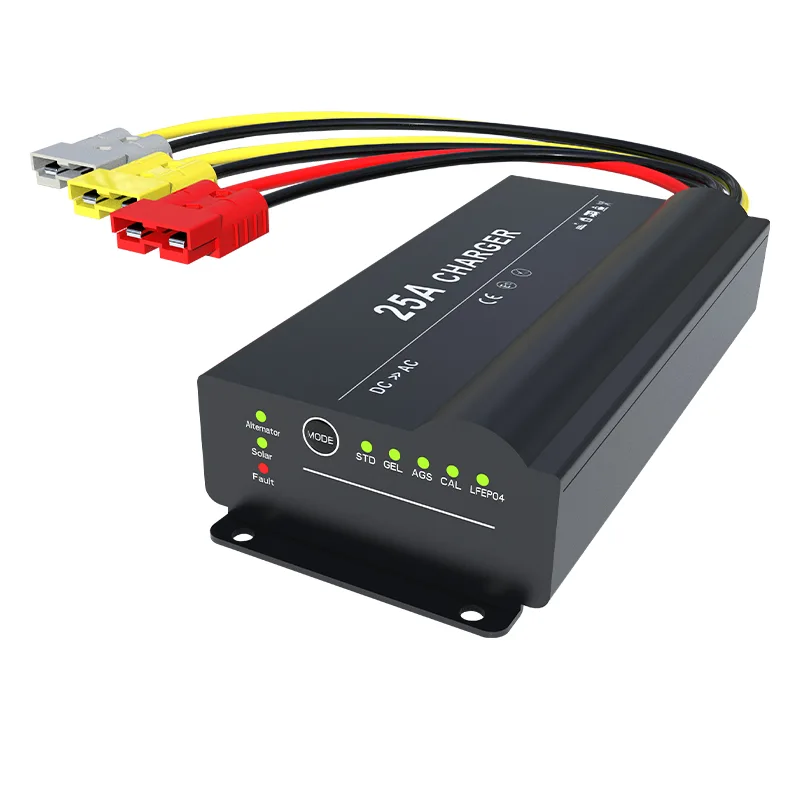
A soft start circuit gradually increases the duty cycle of the switching signal, allowing the output voltage to ramp up slowly. This controlled startup prevents sudden current spikes, protecting both the converter and the load. Below is how soft start directly enhances reliability.
| Reliability Factor | Without Soft Start | With Soft Start (Kosun) |
|---|---|---|
| Inrush current | Very high (damaging) | Gradually limited |
| Voltage overshoot | Frequent | Eliminated |
| Component stress | Severe | Minimal |
| Startup failure rate | Elevated | Near zero |
Key improvements brought by soft start circuits:
-
Reduced inrush current – Prevents blown fuses and tripped breakers
-
Minimized electromagnetic interference (EMI) – Slower rise time lowers noise
-
Protection for load circuits – Sensitive ICs avoid voltage overshoot
-
Enhanced MOSFET and capacitor lifespan – Less thermal and electrical stress
DC To DC Converter FAQ – Common Questions
Question 1: What happens if a DC to DC Converter starts up without a soft start circuit?
Answer: Without a soft start circuit, a DC to DC Converter attempts to reach full output voltage almost instantly. This causes an inrush current that can be 10 to 20 times higher than normal operating current. Such a surge may damage input capacitors, weld relay contacts, trigger overcurrent protection, or even destroy the switching MOSFETs. For systems powered by batteries, it can cause sudden voltage drops that reset other devices. Kosun incorporates soft start in all our DC to DC Converter models to eliminate these risks.
Question 2: How do I choose the right soft start time for my DC to DC Converter application?
Answer: The optimal soft start time for a DC to DC Converter depends on your load capacitance and input source capability. Typical values range from 1ms to 50ms. For highly capacitive loads (over 1000µF), longer soft start times (10–50ms) are recommended to avoid inrush issues. For fast-responding systems like processors, shorter times (1–5ms) work well. Kosun provides adjustable soft start pins on many converters, allowing you to set the ramp time via an external capacitor. Always verify that the startup delay does not violate system timing requirements.
Question 3: Can a soft start circuit fail, and how does that affect the DC to DC Converter?
Answer: Yes, a soft start circuit can fail, typically due to a shorted timing capacitor, damaged control IC, or solder joint crack. When this happens, the DC to DC Converter may exhibit one of two behaviors: either it fails to start (output stays at zero) or it starts with a hard step, causing a large inrush current. In the second case, the converter might still operate but with significantly reduced reliability. Kosun designs soft start circuits with redundant protection, including overcurrent monitoring during startup. If a soft start fault is detected, our DC to DC Converter units enter safe shutdown mode rather than damaging downstream electronics.
For engineers seeking robust power solutions, soft start is not an option—it is a necessity. Every Kosun DC to DC Converter undergoes rigorous startup testing to guarantee smooth voltage ramping under all load conditions.
Contact us today to request evaluation samples or discuss your custom DC to DC Converter requirements. Our team provides full technical documentation, design support, and fast global shipping. Reach Kosun via our website or email to secure reliable power for your next project.